Black Tiger Springs
Subtitle: A Guide to Jinan's Roaring Spring: History, Ambiance, and Practical Visitor Information
1. Introduction: The Roaring Heart of Jinan Nestled along the picturesque banks of the city's moat, Heihu Quan, or the Black Tiger Spring, stands as one of the most dynamic and captivating among Jinan's famed "72 Famous Springs." More than just a scenic spot, it is a living testament to the city's deep, subterranean connection to water, serving as a vital public space where nature, history, and daily life converge. The spring's name, derived from the powerful, thunderous sound of its water and the imposing rock formation that guards its source, evokes a sense of primal energy. For centuries, it has been a cornerstone of local culture, not merely observed but actively utilized by residents who gather its clear waters, continuing a tradition that animates the ancient city with enduring vitality.
2. The Essence and Legend of the Black Tiger Spring 2.1. A Name Forged in Sound and Stone The origin of the name "Black Tiger Spring" is immediately apparent upon arrival. The water surges from three carved stone tiger heads mounted on a cliff-side wall, crashing with immense force into a rectangular collecting pool below. The roar is constant and resonant. This auditory spectacle is complemented by the natural landscape above. Within a dark, cavernous recess in the cliff, a massive, weathered limestone rock lies prone. Its shape, seen through the lens of imagination, resembles a mighty tiger in repose. The combination of this "hidden tiger" stone and the thunderous "roar" of the gushing water created the perfect poetic imagery for ancient observers, forever branding the spring with its powerful moniker.
2.2. Hydrological Significance and Rank In a city celebrated for its springs, Heihu Quan holds a position of great importance. Its water output is remarkably robust, consistently ranking as the second highest among all springs in Jinan, surpassed only by the city's symbolic icon, the Baotu Spring. This substantial flow is a key contributor to the nearby moat, helping to maintain its water levels and clarity. The spring's reliability and volume have historically made it a crucial water source for the surrounding communities, a practical role that preceded its modern status as a tourist attraction.
3. The Heihu Quan Experience: Sights, Sounds, and Tastes 3.1. The Lively Scene of Water Collection Perhaps the most distinctive and authentic experience at Heihu Quan is witnessing—or participating in—the local ritual of water collection. Every day, from dawn until dusk, residents of Jinan arrive with an array of containers: from modern plastic jugs to traditional ceramic urns. They queue at the outlets below the tiger heads to fill up with freshly emerged spring water. This practice, passed down through generations, is a powerful illustration of the spring's ongoing role in civic life. The water is prized for its sweet, crisp taste and is used for brewing tea and cooking. Visitors are often encouraged to try a sip; it is notably cool, refreshing, and free of any chlorinated taste, offering a direct, tangible connection to Jinan's aquatic heritage.
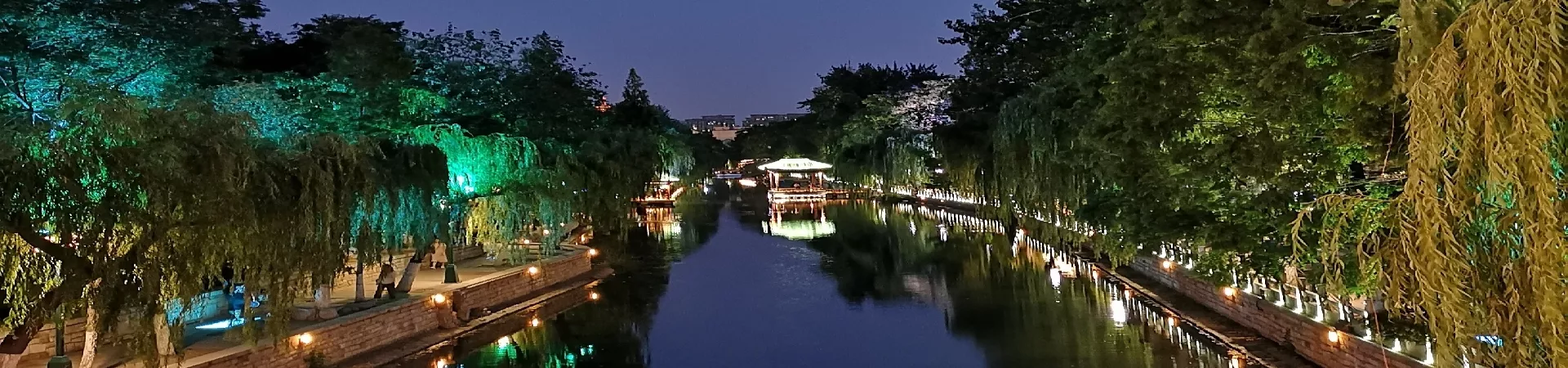
3.2. The Surrounding Scenic Area The spring itself is the centerpiece of a beautifully developed open park area along the City Moat. Stone-paved paths wind along the water's edge, shaded by willow trees. The area is integral to the "Springs Tour Route," connecting visually to other famous springs like the Baotu and Pearl Springs via a scenic walkway. Near the tiger-head outlets, the Shuixiang Pavilion offers a classic vantage point for photography and contemplation. The atmosphere is one of relaxed vibrancy, filled with the sounds of rushing water, casual conversation, and the activities of daily life, seamlessly blending natural wonder with urban leisure.
4. Practical Information for the Visitor 4.1. Location and Transportation Heihu Quan is conveniently located in the heart of Jinan, south of the city center and directly adjacent to the City Moat. The most straightforward way to reach it is by public bus. Key bus routes that stop at or near "Heihu Quan" station include B36, K5, and K91. From the bus stop, it is a very short and pleasant walk to the spring site. The area is also easily accessible on foot from other major attractions like Quancheng Square and the shopping area around Furong Street.
4.2. Admission and Opening Hours One of the great advantages of visiting Heihu Quan is its accessibility. Admission to the spring and its surrounding park is completely free of charge. Furthermore, the site is open 24 hours a day, every day of the year. This allows for flexibility in planning; you can visit amidst the daytime hustle and bustle to see the water collectors in action, or enjoy a quieter, atmospherically lit visit in the evening when the tiger heads and pathways are illuminated.
4.3. Suggested Duration and Contact A visit to fully appreciate Heihu Quan, explore the immediate scenic spot, and perhaps stroll a section of the moat typically requires about one hour. For any specific inquiries, the local tourism information office can be contacted at 0531-86925504.
4.4. Final Notes for Your Visit Wear comfortable shoes suitable for walking on stone paths. If you wish to sample the spring water, consider bringing a reusable bottle to fill. The site is most lively in the mornings and late afternoons when water collection peaks. As it is an open public park, always be mindful of your personal belongings in crowded areas.