Baotu Spring Park
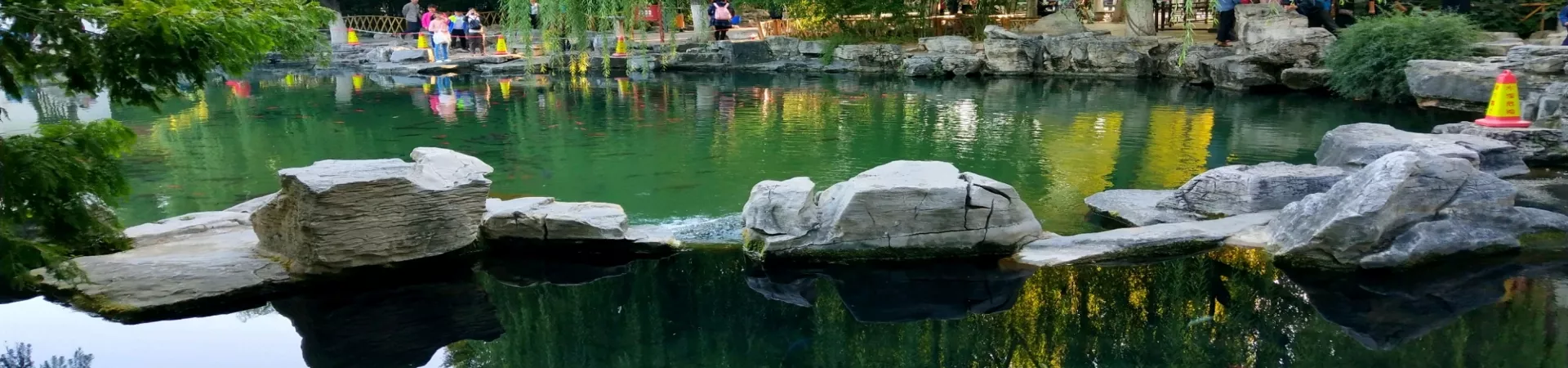
Baotu Spring Park: A Symphony of Gushing Waters and Classical Elegance in the Heart of Jinan
An Introduction to a Legendary Spring Nestled within the bustling heart of Jinan, the capital of Shandong Province, Baotu Spring Park stands as one of the city's three most iconic landmarks, alongside Thousand Buddha Mountain and Daming Lake. More than just a scenic spot, it is the spiritual and cultural core of the "City of Springs," offering visitors a serene escape into a world where nature's hydraulic artistry intertwines with centuries of poetic history and classical Chinese garden design. The park is a living testament to Jinan's unique geological gift—the abundant artesian springs that have bubbled forth from the limestone aquifer for millennia, shaping the city's character and charm.
The Crown Jewel: The Baotu Spring Itself The Phenomenon of the Triple Gush The undisputed centerpiece of the park is the legendary Baotu Spring. Its name, evocatively meaning "Spurting" or "Jumping" Spring, perfectly captures its dynamic nature. The spring water surges powerfully from three main outlets in a submerged limestone cave, creating three distinct, vigorous columns of crystal-clear water. These jets dance and churn ceaselessly, day and night, their height varying with the water table. In periods of abundance, they can erupt to a magnificent height of several feet, presenting a spectacle of pure, unbridled natural force. The water, renowned for its exceptional clarity and a constant temperature around 18°C (64°F) year-round, is so pure it has long been considered ideal for brewing tea. The sight of the eternally gushing springs, set against the backdrop of traditional pavilions and ancient trees, is both mesmerizing and humbling, explaining why it has been celebrated as the "Number One Spring under the Heaven" since ancient times.
A Constellation of Minor Springs Exploring the Baotu Spring Group The grandeur of the main spring is complemented by a delicate tapestry of over thirty other famous springs scattered throughout the park's landscape, collectively known as the Baotu Spring Group. Each possesses its own unique character and history. Strolling along the winding stone paths, visitors will encounter gems such as Golden Thread Spring (Jinxian Quan), where a slender, sunlit line of gold appears to shimmer on the water's surface; Washing Jade Spring (Shuyu Quan), famously associated with Li Qingzhao, China's premier female ci poet of the Song Dynasty, who is said to have used its waters for rinsing her inkstone; and Willow Catkin Spring (Liuxu Quan), whose gentle bubbles resemble floating willow seeds. Others like White Dragon Spring (Bailong Quan), Dukang Spring (Dukang Quan), and Imperial Glory Spring (Huanghua Quan) add layers of myth, legend, and historical anecdote to the exploration, making a walk through the park a journey of continuous discovery.
Architectural Grandeur and Seasonal Splendor The "First Gate" of Chinese Gardens Human artistry harmonizes with natural beauty at the park's magnificent South Gate. This imposing structure, resplendent with its intricate design, vibrant colors, and majestic presence, is often hailed as the "First Gate" among all Chinese classical gardens. Above the entrance hangs a horizontal plaque with the bold, golden characters for "Baotu Spring" set against a brilliant blue background. This inscription is the esteemed calligraphy of the Qing Dynasty Emperor Qianlong, a testament to the spring's imperial endorsement and enduring cultural significance. Passing through this gate symbolically transports visitors into a refined realm of historical aesthetics.
A Floral Canopy in Spring The park's beauty undergoes a breathtaking transformation each year, particularly in early March. As the weather warms, the garden becomes a pastel-hued paradise. Magnolia trees burst into glorious bloom, their large, elegant white or pink petals creating a delicate "petal rain" that drifts gracefully with every breeze—a scene of romantic and poetic beauty. Simultaneously, various plum blossom varieties reach their peak, painting corners of the park in shades of crimson, pink, and white. This vibrant tapestry of blossoms against the ancient architecture and the ever-present sound of flowing water encapsulates the very essence of a Jinan spring, offering unforgettable photographic opportunities and a profound sense of renewal.
Practical Information for Visitors Getting to the Park Baotu Spring Park is exceptionally well-connected by Jinan's public bus system, with multiple lines serving its various entrances, making access convenient from anywhere in the city. * South Gate: Take bus routes 28, 49, 72, 82, 102, 103, 104, 128, 165, K52, K54, K96, or K100 to the "Baotu Spring South Gate" stop. * North Gate: Alight at the "Baotu Spring North Gate" stop via buses 5, 101, 104, K59, K101, or K109. * West Gate: Use buses 3, 41, 66, K50, K54, K91, K101, or K109 to the "Ximen" (West Gate) stop. * East Gate: Multiple options include buses 1, 5, 41, 66, 82, 85, 103, 104, K51, K54, K59, K91 to "Baotu Spring East Gate," or K109 to the "Baotu Spring East Gate (East of Intersection)" stop.
Admission and Operating Hours * Admission Fee: Entry to Baotu Spring Park is currently free of charge. However, visitors are advised to check for any updates or special exhibition fees at the ticket office or official notices upon arrival, as policies are subject to change. * Opening Hours: The park is generally open daily from 7:00 AM to 7:00 PM, with last admission at 7:00 PM. It is highly recommended to verify the exact hours before your visit, as seasonal adjustments or special circumstances may apply.
Making the Most of Your Visit A comprehensive visit to explore the main springs, key historical sites, and leisurely enjoy the garden landscapes typically requires 1 to 3 hours. For inquiries, the park can be contacted at 0531-86920900. The best times to visit are during the spring for the flowers or autumn for pleasant weather, while early mornings on weekdays offer a more tranquil experience away from crowds. The sight of the springs is most powerful after the rainy season. Within the park, do not miss the Li Qingzhao Memorial Hall, situated near Shuyu Spring, which pays homage to the legendary poetess and offers deep cultural insights.