Plum Garden
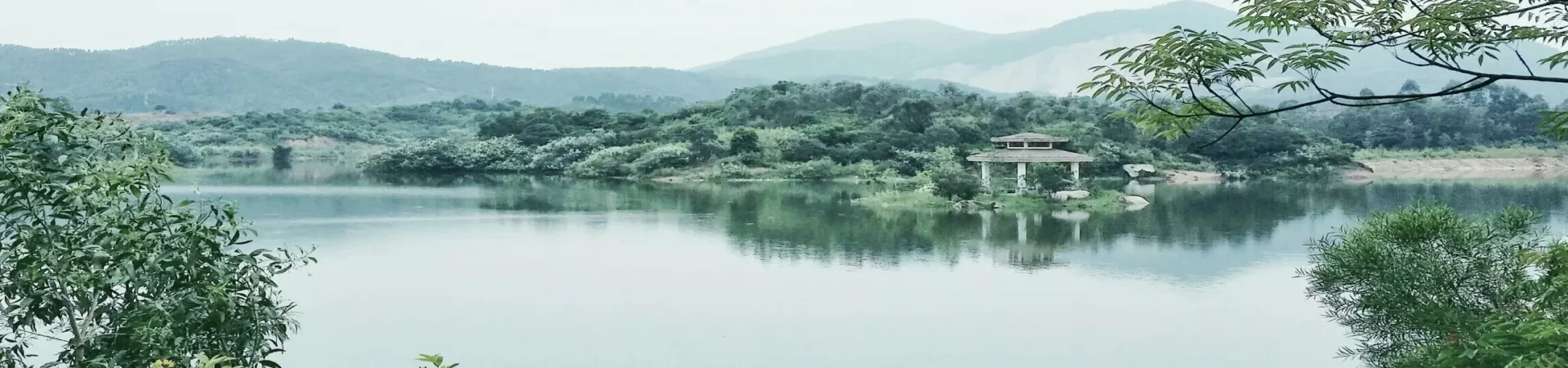
Subtitle: A Tranquil Retreat into Classical Chinese Gardens and Plum Blossom Splendor
I. Introduction to Meiyuan (Plum Garden) Nestled within the historic and culturally rich city of Jieyang, in China's Guangdong province, lies Meiyuan, the Plum Garden. More than just a simple garden, it stands as a serene testament to the classical Chinese art of landscape design, where architecture, horticulture, and philosophy intertwine. While the garden's name pays homage to the plum blossom—a revered symbol of resilience, purity, and hope in Chinese culture—its beauty is a year-round spectacle. Meiyuan offers visitors a peaceful escape from urban bustle, inviting them to wander along winding pathways, over quaint bridges, and through elegant pavilions, all meticulously arranged to create a harmonious miniature universe. It is a place for quiet contemplation, artistic inspiration, and a deep appreciation for the subtle elegance that defines traditional Chinese aesthetics.
II. Planning Your Visit: Essential Information To ensure a seamless and enjoyable experience, here are the key practical details for visiting Meiyuan.
A. Operating Hours and Admission The garden maintains consistent hours throughout the year, allowing for planning in any season. * Daily Opening Hours: 8:00 AM - 4:30 PM. * Last Admission: 4:30 PM. It is advisable to arrive at least an hour before closing to fully appreciate the garden's ambiance without rush. * Admission Fees: * Standard Ticket: 60 RMB. * Concession Ticket (Half-price): 30 RMB. This typically applies to children of a certain height/age, full-time students with valid ID, and seniors (usually aged 60-70, but policies can vary; carrying ID is essential).
B. Location and Contact Meiyuan is situated within Jieyang, a city known for its vibrant folk traditions, distinctive Chao-Shan cuisine, and historical significance. * For inquiries, visitors can contact the garden administration at +86 512 6627 1547. This number can be used for confirming opening times, special events, or group visit arrangements.
III. The Garden Experience: A Journey Through Seasons and Symbolism Stepping into Meiyuan is an immersive journey. The design follows the fundamental principles of a classical Chinese scholar's garden, aiming to encapsulate the essence of nature within a bounded space.
A. Architectural Harmony and Scenic Vistas The garden's layout is an exercise in controlled artistry. Walls, lattice windows, and covered walkways ("lang") are not merely structural but are used to frame specific views, creating a series of "living paintings" that change with every step. Pavilions, such as those named for viewing the moon or listening to the rain, offer resting points and specific vantage points. A central pond, often crossed by a zigzag bridge (believed to confuse evil spirits, which travel in straight lines), reflects the surrounding structures and sky, doubling the beauty and creating a profound sense of tranquility. The careful placement of rocks, mimicking mountain ranges, and the strategic use of water embody the Taoist concept of "Yin and Yang," balancing solid and fluid, vertical and horizontal elements.
B. The Majesty of the Plum Blossom While the garden's appeal is perennial, it reaches its poetic zenith in late winter to early spring. * Seasonal Highlight: This is when the garden's namesake plum trees (Prunus mume) burst into glorious bloom. The sight of delicate pink and white flowers against the stark winter landscape or the crisp early spring air is breathtaking. * Cultural Significance: Beyond its visual beauty, the plum blossom is deeply symbolic. It braves the cold to bloom first, symbolizing perseverance, inner strength, and the arrival of hope after hardship. Poets and painters have celebrated it for centuries. In Meiyuan, observing these blossoms is not just a floral display but an engagement with a core cultural icon, encouraging reflection on resilience and renewal.
C. A Tapestry of Flora and Artistic Details The botanical collection extends far beyond plum trees. Carefully curated pines, representing longevity, bamboos symbolizing flexibility and integrity, and various flowering plants ensure visual interest across all seasons. Attention to detail is paramount: look for intricate wood carvings on eaves, poetic couplets inscribed on pillars, and uniquely shaped "leak windows" in walls that offer tantalizing glimpses of the scenery ahead. The garden's name, "Meiyuan," might be elegantly rendered in calligraphy on a stone tablet or a plaque, itself a work of art.
IV. Enhancing Your Visit: Tips and Cultural Context To fully connect with the spirit of Meiyuan, consider these suggestions.
A. Suggested Itinerary and Photography * Pacing: Dedicate at least 1.5 to 2 hours for a leisurely visit. Rushing contradicts the garden's purpose. * Photography Tips: The best light for photography is often in the early morning or later afternoon. Focus on details—a blossom-laden branch, the reflection in the pond, light filtering through a lattice window. Capture the framed views the architecture provides.
B. Cultural Etiquette and Local Integration * Respectful Conduct: Meiyuan is a place for quiet enjoyment. Speaking in moderated tones helps preserve the peaceful atmosphere for all visitors. Refrain from climbing on rocks, structures, or trees. * Connecting to Jieyang: A visit to Meiyuan is perfectly complemented by exploring Jieyang's other offerings. After the garden, seek out a local teahouse to experience the elaborate Gongfu tea ceremony, a cornerstone of Chao-Shan culture. Sampling local delicacies like bao (fermented rice pudding), fresh seafood, or braised dishes provides a delicious cultural immersion. Exploring ancient temples, such as the City God Temple, or the historic Jieyang Confucian Temple, can add historical depth to your journey, creating a rich tapestry of natural beauty, architectural artistry, and living tradition.