Huangqi Mountain
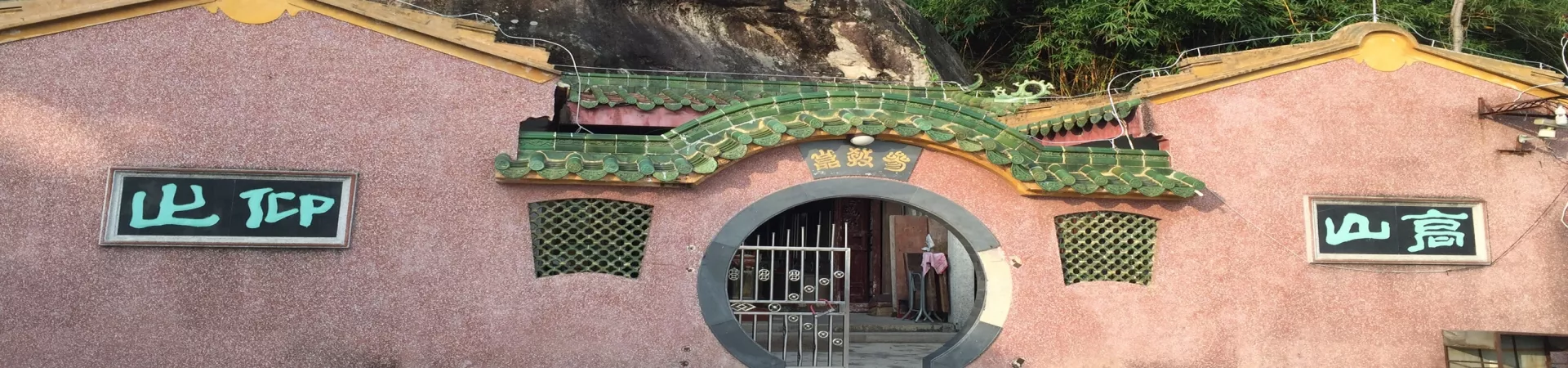
Subtitle: A Guide to Huangqi Mountain in Jieyang: Nature, Culture, and Practical Travel Tips
Introduction Nestled within the vibrant prefecture-level city of Jieyang in Guangdong Province, Huangqi Mountain stands as a cherished green sanctuary and a profound cultural landmark. Far more than just a scenic hill, it represents a vital lung for the city and a repository of local history and spiritual belief. For the discerning traveler seeking an escape from urban bustle, a touch of ancient culture, and panoramic vistas without the burden of an entrance fee, Huangqi Mountain presents an ideal and accessible destination. Its unique blend of natural beauty, historical temples, and modern accessibility offers a multifaceted experience that encapsulates both the tranquility and the enduring spirit of the Chaoshan region.
1. The Allure of Huangqi Mountain: Nature and Panorama The primary draw of Huangqi Mountain is its lush, rejuvenating natural environment. The mountain is covered with dense, evergreen forests that provide a cool, shaded retreat throughout the year. Well-maintained hiking paths wind their way up the slopes, catering to both casual walkers and more enthusiastic hikers. The ascent is rewarded with increasingly beautiful views of Jieyang's urban landscape gradually unfolding below. Reaching the higher vantage points, particularly near the summit, visitors are treated to a breathtaking panoramic spectacle. The vista encompasses the sprawling city, the winding rivers, and the distinctive patterns of the surrounding countryside, making it a premier spot for photography, especially at sunrise or sunset when the sky paints the scenery in dynamic hues.
2. Cultural and Historical Heart: Temples and Legends Beyond its physical beauty, Huangqi Mountain is steeped in cultural and religious significance, serving as a spiritual center for local residents.
2.1. The Huangqi Mountain Temple Complex The most prominent cultural site is the Huangqi Mountain Temple (黄岐山寺), a Buddhist temple complex with a history stretching back centuries. This active place of worship is a focal point of devotion, especially during traditional festivals and on the first and fifteenth days of the lunar month. The temple architecture, with its traditional southern Chinese style featuring ornate carvings, sweeping roofs, and tranquil courtyards, offers a serene atmosphere. The scent of incense, the sound of chanting, and the sight of devotees praying provide an authentic glimpse into local religious practices and offer a moment of peace and reflection for visitors.
2.2. The Fengmen Temple and Ancient Pagoda Another significant site is the Fengmen Temple (凤门寺). Historically, this area is associated with scholarly pursuit and is said to have been a place where literati would gather. Adding to the historical texture is an ancient pagoda located on the mountain. This structure stands as a silent witness to the passage of time and is a popular subject for photographers, often framed against the forest or the sky.
2.3. Local Folklore and the Mountain's Name The mountain's name itself is woven into local legend. "Huangqi" is said to derive from a tale involving a yellow banner ("黄旗"), giving the mountain a name rich in symbolic and historical narrative. Exploring the mountain often feels like walking through layers of both natural and human history.
3. Essential Practical Information for Visitors To ensure a smooth and enjoyable visit, here are the key logistical details presented clearly for travelers.
3.1. Admission and Opening Hours One of the most appealing aspects of Huangqi Mountain is its accessibility. * Admission Fee: There is no entrance fee. The mountain park is freely open to the public. * Opening Hours: The park is open 24 hours a day, every day of the year. This allows for incredible flexibility—visit for a vigorous morning hike, a leisurely afternoon stroll, or even a nighttime ascent to view the city lights (ensure you have proper lighting and safety precautions for night visits).
3.2. Getting There: Transportation Guide Huangqi Mountain is conveniently integrated into Jieyang's public transport network. * By Public Bus: The most straightforward method is to take a city bus to the Huangqi Mountain Bus Station (黄岐山车站). Several bus routes stop here, including routes 1, First Ring A Line, First Ring B Line, Second Ring A Line, and Second Ring B Line. From the bus stop, the main entrance to the mountain park is within easy walking distance. It is advisable to check the latest bus routes via a local map app upon arrival in Jieyang. * By Taxi or Ride-Hailing: For direct and convenient access, taxis or ride-hailing services (like DiDi) are widely available in Jieyang. Simply ask for "Huángqí Shān" (黄岐山).
3.3. Contact Information For any official inquiries prior to your visit, you can contact the park management at: 0663-8231625.
4. Recommendations for an Enhanced Experience To make the most of your trip to Huangqi Mountain, consider these suggestions: * Footwear and Attire: Wear comfortable, sturdy shoes suitable for walking on paved and potentially uneven paths. Dress in layers appropriate for the weather. * Hydration and Snacks: While there may be small vendors near the entrance or temple areas, it is prudent to carry your own water and light snacks, especially if planning a longer hike. * Temple Etiquette: When visiting the temples, remember to observe respectful decorum. Speak quietly, avoid flash photography in prayer halls, and follow any posted guidelines. * Combining Your Trip: Consider pairing your visit to Huangqi Mountain with exploration of other Jieyang attractions, such as the historic Jieyang Confucian Temple or the bustling local markets, to gain a fuller appreciation of the city's character.
Information last verified/updated: November 16, 2022. Credit for user-contributed edits is acknowledged.