Fengmen Ancient Trail
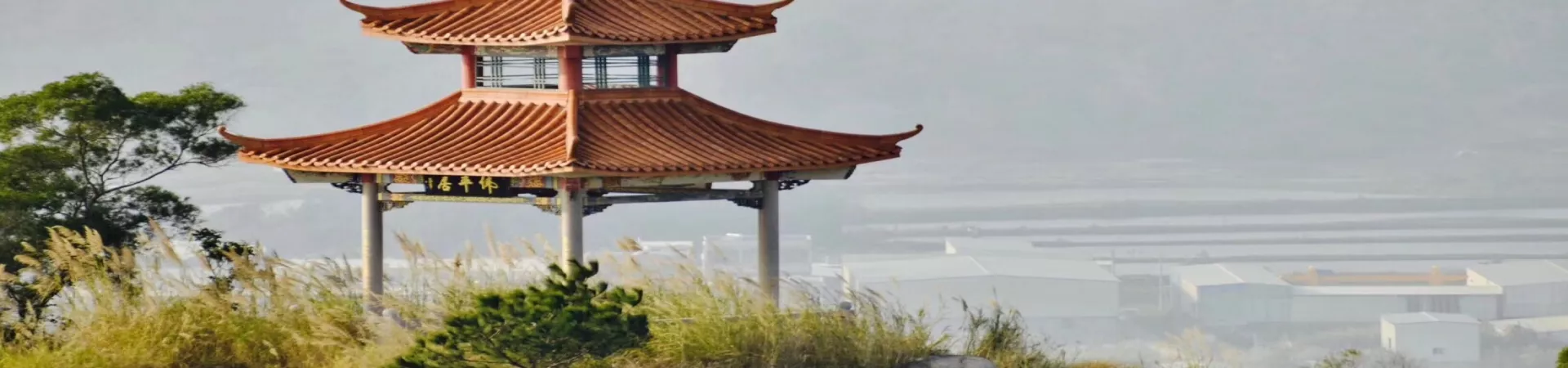
Subtitle: A Journey Through Time and Nature at Fengmen Ancient Path
Introduction to Fengmen Ancient Path
Nestled in the scenic landscapes of Jieyang, Guangdong Province, Fengmen Ancient Path stands as a serene testament to China's rich historical tapestry and natural beauty. Officially recognized as a county-level cultural relics protection unit, this destination is far more than a simple hiking trail. It is a cultural sanctuary where history, spirituality, and the tranquility of nature converge. For the discerning traveler seeking an escape from the modern bustle, Fengmen Ancient Path offers a profound journey through ancient stone pathways, venerable architecture, and timeless ecological wonders. It serves not only as a protected historical site but as a living narrative of the region's heritage, inviting visitors to step into a landscape that has captivated pilgrims and poets for centuries.
The Historical and Cultural Heart: Fengmen Ancient Temple
2.1. Architectural Significance and Ambiance At the core of the Fengmen Ancient Path experience lies the Fengmen Ancient Temple, a structure of distinctive architectural style that serves as the spiritual anchor of the area. The temple's design reflects traditional Southern Chinese temple architecture, harmoniously integrated with the surrounding mountainous terrain. Its presence evokes a sense of enduring peace, offering a space for quiet reflection amidst the whispers of history. The temple is not merely a relic to observe; it is an active site of cultural continuity, where the atmosphere is thick with the legacy of generations of visitors who have sought solace and inspiration within its walls.
2.2. The Spiritual and Community Role Historically, this temple has been a pivotal site for local worship and community gatherings. It stands as a guardian of the ancient path, its very stones imbued with stories and prayers. For visitors, it provides a tangible connection to the spiritual practices and communal life of ancient Jieyang, presenting an authentic glimpse into the local customs and beliefs that have shaped the region's identity.
Natural Wonders and Ancient Companions
3.1. The Millennial Banyan Tree Guarding the temple grounds with majestic grace is an ancient banyan tree, estimated to be over six hundred years old. This colossal tree is a monument of nature itself, its sprawling aerial roots and vast canopy forming a breathtaking natural cathedral. It symbolizes resilience and longevity, having silently witnessed the ebb and flow of centuries. Standing beneath its shade is a humbling experience, offering a powerful connection to the enduring force of the natural world and a perfect moment for contemplation and photography.
3.2. The Perennial Xianquan (Immortal Spring) Well Complementing the ancient tree is the famed Xianquan Well, renowned for its crystal-clear, sweet-tasting water that flows perennially without fail. This well is shrouded in local lore, often associated with tales of purity and immortality. Visitors are drawn to its refreshing waters, which have quenched the thirst of travelers for generations. Tasting this water is considered by many to be a ritual of the visit, a direct and refreshing link to the pristine natural resources that have sustained this sacred site through time.
Artistic Legacy: The Stele Corridor
4.1. A Modern Addition with Classical Roots In recent years, the cultural wealth of Fengmen Ancient Path has been further enriched by the construction of a Stele Corridor on the left side of the ancient temple. This thoughtful addition bridges the past and present, providing a dedicated space to celebrate literary and artistic excellence.
4.2. A Collection of Calligraphic Mastery The corridor houses an impressive array of stone steles, engraved with masterful calligraphy and poetic inscriptions from renowned artists and literati, both domestic and international. This open-air gallery transforms a stroll into an educational and aesthetic encounter. Each stele tells a story through its brushstrokes, containing verses, philosophical musings, and tributes to the beauty of Fengmen. This collection not only enhances the site's artistic prestige but also creates a dynamic dialogue between the natural landscape and human creative expression, appealing to art enthusiasts and casual observers alike.
Practical Information for Visitors
Visiting Hours and Accessibility Fengmen Ancient Path welcomes visitors year-round with highly accessible opening hours. The site is open 24 hours a day, every day of the week, throughout the entire year (from January 1st to December 31st, Monday through Sunday). This "all-day" policy offers unparalleled flexibility, allowing for visits at dawn to catch the misty sunrise over the paths, during the day for full exploration, or even in the evening for a uniquely tranquil atmosphere under the stars. This open schedule encourages travelers to experience the site at their own pace and discover its different moods across various times of day.
The Integrated Experience A visit to Fengmen Ancient Path is thus a multi-layered experience. It begins with a walk along the historic trail, leading to the spiritual center of the ancient temple. It is enriched by communion with natural monuments like the ancient banyan and the immortal spring, and it is deepened by the cultural appreciation fostered in the Stele Corridor. Each element—the historical, the natural, and the artistic—intertwines to create a comprehensive and memorable journey. It is a place where one can physically tread the paths of the past, spiritually engage with a serene environment, and intellectually appreciate the artistic achievements inspired by this very landscape. For any traveler to Jieyang, it presents an essential and enriching chapter in understanding the region's soul.