Xitang Historic Town of China
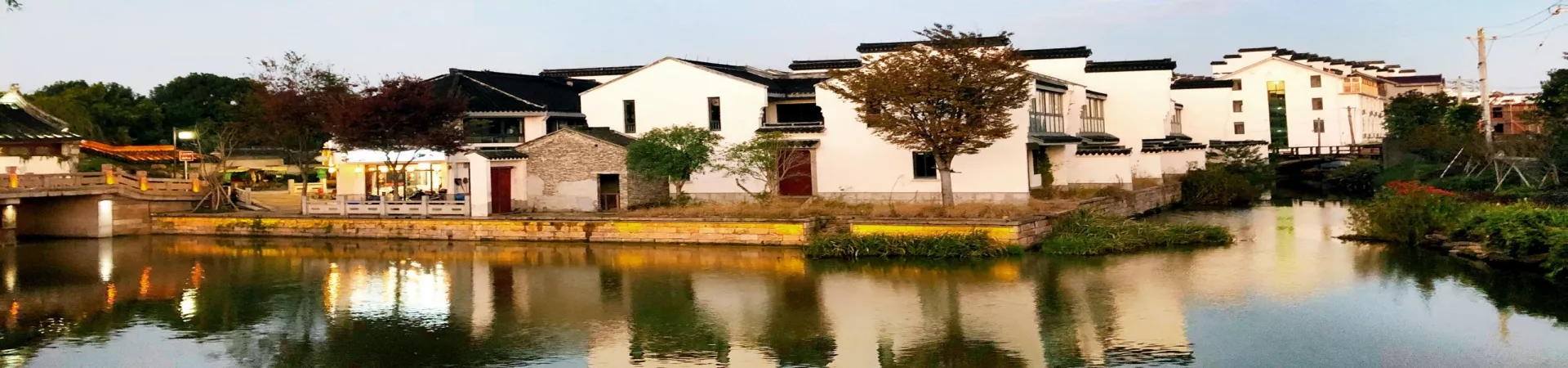
Subtitle: A Journey Through Time in the Jiangnan Water Town
Introduction: The Living Ancient Town
Nestled in the Jiaxing region of Zhejiang province, Xitang Ancient Town stands as one of the six renowned ancient towns of Jiangnan, the fabled "land south of the Yangtze River." More than just a preserved relic, Xitang is often described as a "living" millennium-old town, where history breathes through its cobbled lanes and flows with its tranquil waterways. It serves as a significant cradle of the ancient Wu and Yue cultures, offering visitors an authentic immersion into a timeless way of life that has gracefully persisted alongside the modern world.
The Architectural Heritage: Echoes of the Ming and Qing Dynasties
Walking through Xitang is akin to stepping into an open-air museum of classical Chinese architecture. The town boasts exceptionally well-preserved residential complexes from the Ming and Qing dynasties, their whitewashed walls, elegantly curved black-tiled roofs, and intricately carved wooden facades telling silent stories of a prosperous past.
Key Historical Residences: * Zhongfu Tang (Hall of Cultivating Happiness): This mansion exemplifies the refined lifestyle and architectural aesthetics of Qing dynasty scholars and merchants. * Zunwen Tang (Hall of Respecting Knowledge): As the name suggests, this residence highlights the deep cultural respect for learning and literature that permeated the era. * Xue Zhai (Xue Family Residence): A prime example of Ming dynasty residential design, offering insights into the family structures and daily lives of the time.
These structures are not mere exhibits; many are still integrated into the fabric of the community, with courtyards and spaces reflecting centuries of continuous habitation.
The Town's Defining Features: Bridges, Alleys, and Corridors
Xitang's unique charm and layout are defined by three distinctive elements, earning it the affectionate description: "Many bridges, many lanes, many covered corridors."
1. A Network of Ancient Bridges: Dozens of stone bridges arch gracefully over the town's network of canals. Each bridge, from the iconic to the humble, serves as both a vital thoroughfare and a vantage point for picturesque views of waterborne traffic and ancient eaves. They symbolize the connection between the town's various districts and its residents' lives.
2. The Narrow, Mysterious Alleys (Nong): Over 100 narrow lanes, some barely wide enough for one person to pass through, crisscross the town. These alleys, like the famous Shipi Nong (Stone Skin Alley), are veins leading to quiet courtyards and hidden corners. Walking through them evokes a sense of discovery and intimacy with the town's history.
3. The Iconic Covered Corridors (Langpeng): The most famous feature of Xitang is its extensive system of covered corridors that line the southern bank of the main canal for over a kilometer. These shelters, supported by wooden pillars extending over the water, provide a continuous, shaded walkway for pedestrians regardless of weather. Beneath these corridors, a lively scene unfolds with small tea houses, shops, and locals going about their day, perfectly blending commerce with community life.
The Daily Rhythm and Atmosphere
The soul of Xitang is found in its unhurried pace and authentic atmosphere. The town operates on a rhythm set by its waterways. The gentle sound of oars (lusheng) dipping into the water as flat-bottomed boats glide by is a constant, soothing soundtrack. The local community is known for its simple, honest folk customs, visible in the friendly exchanges between shopkeepers and the elderly residents chatting by their doors.
As afternoon fades into evening, Xitang undergoes a magical transformation. The setting sun casts a warm, golden glow on the ancient facades and shimmering canals. Fishing boats begin to return, and the melodies of local folk songs seem to hang in the air. As dusk settles, countless red lanterns are lit, their reflections dancing on the water's surface. The aroma of local rice wine and delicacies from waterside restaurants begins to waft through the cool air. This convergence of sights, sounds, and scents transforms the entire water town into a living painting, a poetic scene that has inspired artists and writers for centuries.
Practical Visitor Information
Admission: * Standard Ticket: 95 RMB (Applicable year-round, Monday through Sunday).
Opening Hours: * The town is accessible 24 hours a day, throughout the year. However, access to specific paid historical residences and museums within may adhere to standard daytime operating hours.
Suggested Duration: * A full day is recommended to fully appreciate Xitang's ambiance. This allows time to explore the key historical sites in daylight, wander the alleys at a leisurely pace, enjoy a meal by the water, and, most importantly, witness the enchanting shift from day to night. Many visitors find that staying overnight in a traditional waterside inn offers an even deeper and more serene experience.
Contact: * For general inquiries, visitors can contact: 0573-84567890.
Information last updated: September 9, 2023. Credit and thanks to contributing editors from the travel community.