South Gate
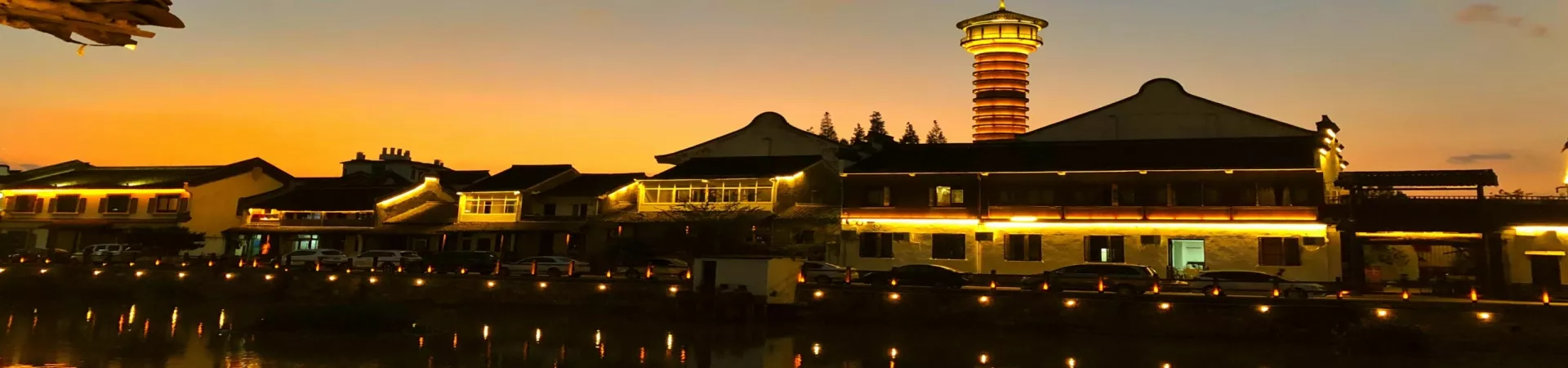
A Glimpse into Wuzhen's Untouched Soul: Nan Zha
Nestled within the famed ancient water town of Wuzhen, in China's Zhejiang province, lies a district that time seems to have respectfully passed by. While Wuzhen is administratively divided into four historic quarters (Dong Zha, Xi Zha, Nan Zha, and Bei Zha) based on its orientation around the central waterways, Nan Zha stands apart. It is the final fragment of old Wuzhen that remains untouched by large-scale commercial development and meticulous restoration, offering a raw, authentic window into the town's past and the quiet rhythm of local life.
The Essence of Authenticity: Life in Nan Zha
Unlike its more polished and meticulously managed siblings, particularly the sprawling and popular Xi Zha, Nan Zha is not a curated museum piece. It is a living, breathing community. The heart of Nan Zha beats within its narrow, winding lanes, where the primary sounds are not the chatter of tour groups but the daily hum of local residents. Here, the architecture tells an unvarnished story. Aging houses with weathered wooden beams and grey-tiled roofs lean companionably over the alleys. Shop fronts are still fashioned from traditional wooden plank doors, which are opened each morning to reveal small, family-run businesses—a simple tea stall, a workshop repairing household goods, a vendor selling locally made snacks. The pace is slow, dictated by the sun and the needs of the neighborhood. Visiting Nan Zha is less about sightseeing in a traditional sense and more about quiet observation, an opportunity to witness the enduring fabric of a Chinese water town community that continues its life largely undisturbed.
A Photographer's and Culture Enthusiast's Sanctuary
For those seeking genuine historical texture and photographic beauty free from modern artifice, Nan Zha is nothing short of a sanctuary. Its charm lies in its undisturbed state.
- Architectural Heritage: The old buildings and structures here have been spared from major renovation. Their peeling paint, moss-covered stones, and worn steps are records of decades, even centuries, of existence. They showcase original architectural styles and building techniques that have disappeared in more developed areas.
- The Ancient Streets: The old streets themselves, paved with worn flagstones, follow their original, irregular layouts. Walking these paths feels like stepping directly into a bygone era, with each turn offering a new, unframed composition of ancient China.
- Historic Bridges: Spanning the quieter canals of Nan Zha are several old bridges. While perhaps less ornate than those found elsewhere in Wuzhen, their simple, functional beauty and the way they integrate seamlessly into the daily crossings of residents make them profoundly picturesque subjects. The play of light and shadow on the stone arches and the reflections in the calm water below are perpetual sources of inspiration.
This unpretended environment provides an unparalleled canvas for photographers and cultural travelers. The focus is on capturing candid moments—a local grandmother sitting in a doorway, the texture of a rusty lock on an old door, the soft glow of lantern light at dusk on a cobbled lane. It is a place for immersive, contemplative exploration.
Practical Information for Your Visit
To fully appreciate Nan Zha, a little planning is helpful.
- Time Required: It is recommended to allocate 1 to 3 hours for a visit. This allows ample time to wander the main and back lanes at a leisurely pace, pause for photographs, and perhaps enjoy a simple drink at a local spot. Unlike the larger districts, Nan Zha is compact and can be thoroughly explored on foot without a strict itinerary.
- Admission Fee: One of Nan Zha's most significant advantages is that it is completely free to enter. There are no ticket booths or entry gates, reinforcing its status as an open, public community rather than a ticketed attraction.
- Opening Hours: Nan Zha is open all day, every day. The experience varies dramatically with the time of visit. Mornings offer lively scenes of daily life as shops open and residents go about their chores. Afternoons are quieter and sun-drenched. Evening brings a uniquely serene and atmospheric feel, with fewer visitors and the soft illumination from windows and occasional street lamps casting a gentle glow on the ancient stones.