Sending a son to Fengqiao
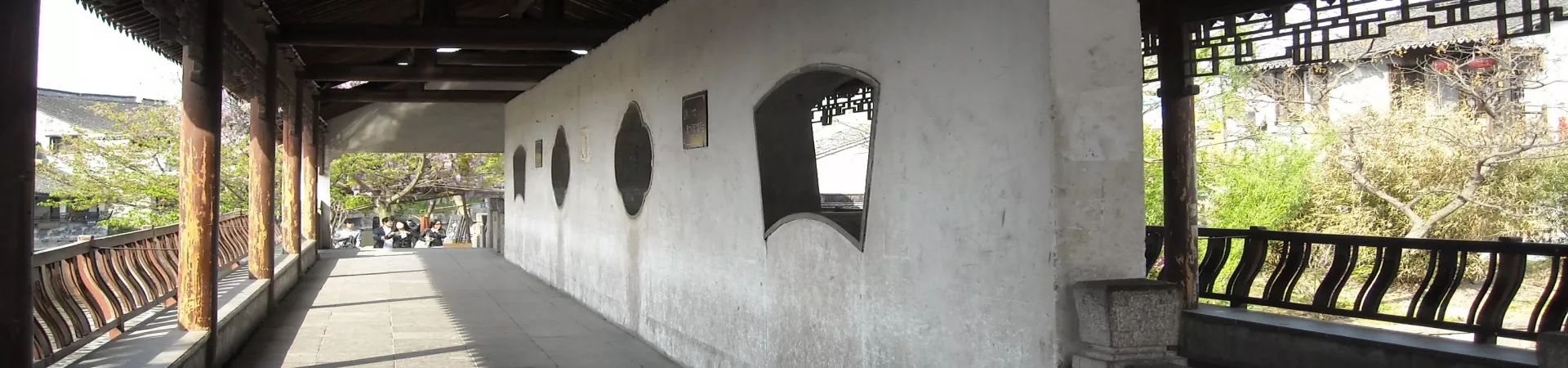
Subtitle: A Bridge of Legends, Love, and Life: Unveiling Songzi Laifeng Bridge in Xitang
1. Introduction: The Heartbeat of Xitang Ancient Town
Nestled within the serene, water-laced embrace of Xitang Ancient Town in Jiaxing, China, the Songzi Laifeng Bridge is far more than a mere river crossing. It is the vibrant, historical, and cultural epicenter of this famed "town on the water." Constructed during the Ming Dynasty, this elegant three-arch stone bridge serves as the crucial link between two of Xitang's most iconic features: the bustling West Street and the poetic, covered "Rainy Lane" corridor. Historically, its position marked the town's primary dock, making it the first point of arrival for countless visitors and goods, a role that cemented its status as the absolute "C位" (center stage) of Xitang. Today, it remains the focal point around which the life of the town gently swirls, a must-visit landmark where architecture, folklore, and personal experience beautifully converge.
2. Architectural Uniqueness and Cultural Ritual
2.1. A Design with Purpose and Symbolism The architectural design of Songzi Laifeng Bridge is its first captivating story. Unlike a standard bridge, it features a covered pavilion at its center, offering shelter and a moment of repose, and more intriguingly, two distinct walking surfaces. The southern side is built with traditional stone steps, while the northern side is a smooth, sloping walkway. This deliberate design is deeply rooted in Chinese tradition and symbolism.
2.2. The Walking Tradition: Steps for Prosperity, Slope for Stability Walking across this bridge involves a conscious, often playful, choice steeped in auspicious meaning. Local tradition holds that men should ascend via the southern steps, symbolizing a career path of "步步高升" (ascending step by step toward higher success and status). Women, conversely, are encouraged to take the gentle northern slope, representing a life of "持家稳稳当当" (managing the household with steadiness and grace). This practice transforms a simple crossing into a personal ritual, connecting individuals to centuries-old wishes for prosperity and harmony.
3. The Legend of "Delivering Sons and Bringing Phoenixes"
3.1. The Core Legend of Fertility and Good Fortune The bridge's name, "Songzi Laifeng," directly translates to "Delivering Sons and Bringing Phoenixes," and it is here that the bridge transitions from historical structure to living legend. The phoenix ("凤"), a mythical bird, is a traditional symbol of high virtue and grace, often associated with empresses. A local saying passed down through generations advises: "新婚夫妇走一走,南则送子,北则来凤" ("Newlyweds, take a walk; the south delivers a son, the north brings a phoenix"). It is believed that walking across the bridge, particularly by couples hoping to start a family, can bestow the blessings of children and, specifically, a virtuous daughter (the 'phoenix').
3.2. A Living Cultural Practice This belief is not merely a relic of the past. To this day, newly married couples and those wishing for children visit Xitang specifically to walk hand-in-hand across Songzi Laifeng Bridge. It is an act of hope and participation in a charming cultural narrative, making the bridge a timeless witness to personal dreams and family beginnings. The gentle act of crossing becomes a prayer, embedded in the very stones and wood of the structure.
4. A Brush with Global Fame: The "Dreams of the Corridor Bridge"
4.1. An Unexpected Hollywood Connection The bridge's romance and allure captured a heart from the world of international cinema. Meryl Streep, the acclaimed Hollywood actress renowned for her role in The Bridges of Madison County ("廊桥遗梦"), visited Xitang during her travels in China. Upon experiencing the enchanting atmosphere of the covered Songzi Laifeng Bridge, she was profoundly moved.
4.2. A Tribute from an Icon She is famously quoted as having humorously remarked, "If I had come across this corridor bridge first, perhaps there wouldn't have been an American 'Bridges of Madison County'." This lighthearted comment underscores a powerful truth: the timeless, universal appeal of love stories and poignant settings. Songzi Laifeng Bridge, with its own tales of love, hope, and destiny, resonated deeply enough with a global icon to inspire a comparison to one of the West's most famous romantic landmarks, forever linking this ancient Chinese bridge to a modern cinematic dream.
5. Practical Visitor Information
5.1. Location and Access The bridge is located within the pedestrian-only core of Xitang Ancient Town. It is easily accessible on foot from any point within the town. The most scenic approach is along the ancient flagstone paths or via the waterside corridors.
5.2. Admission and Opening Hours Access to Songzi Laifeng Bridge is included in the general admission ticket for the Xitang Scenic Area. There is no separate ticket required to cross or explore the bridge itself. The bridge and the surrounding ancient town are generally open to visitors daily from 08:00 to 21:00.
5.3. Suggested Visit Duration While crossing the bridge itself takes only minutes, visitors are encouraged to slow down and absorb its details and atmosphere. A recommended time to fully appreciate the bridge, its legends, and the surrounding views is approximately 30 minutes to an hour. This allows time to observe the architecture, read the inscribed cultural notes, choose your path across, and perhaps sit for a moment in its central pavilion to watch boats glide by on the canal below.
5.4. Contact Information For any specific inquiries regarding Xitang Ancient Town or your visit, you may contact the scenic area management at 0573-84564161 or 0573-84567890.