Grass and Wood Natural Color Dyeing Workshop
Subtitle: A Living Museum of Traditional Dyeing Craftsmanship in Wuzhen
Introduction: The Soul of Blue in an Ancient Water Town
Nestled within the serene and picturesque Xizha Scenic Area of Wuzhen, the Caomu Bense Dyeing Workshop (Vegetable & Plant Original Color Dyeing Workshop) stands as a profound testament to China's ancient textile heritage. Spanning an impressive 2,500 square meters, this is not merely a static exhibition but a vibrant, functioning center where the centuries-old art of blue calico (lan yin hua bu) production is kept alive. The workshop specializes in using natural indigo, derived primarily from the leaves of the Polygonum tinctorium (blue grass) plant, to create the iconic blue-and-white fabrics that have adorned Chinese households for generations. Beyond this classic technique, the workshop proudly showcases its unique and captivating "color baking" process, a specialized method that yields a stunning and rich palette of colors on textiles, making each finished piece a unique work of art. A visit here offers an immersive journey into the meticulous craftsmanship, natural philosophy, and stunning visual culture of traditional Chinese dyeing.
The Artisan Process: From Plant to Pattern
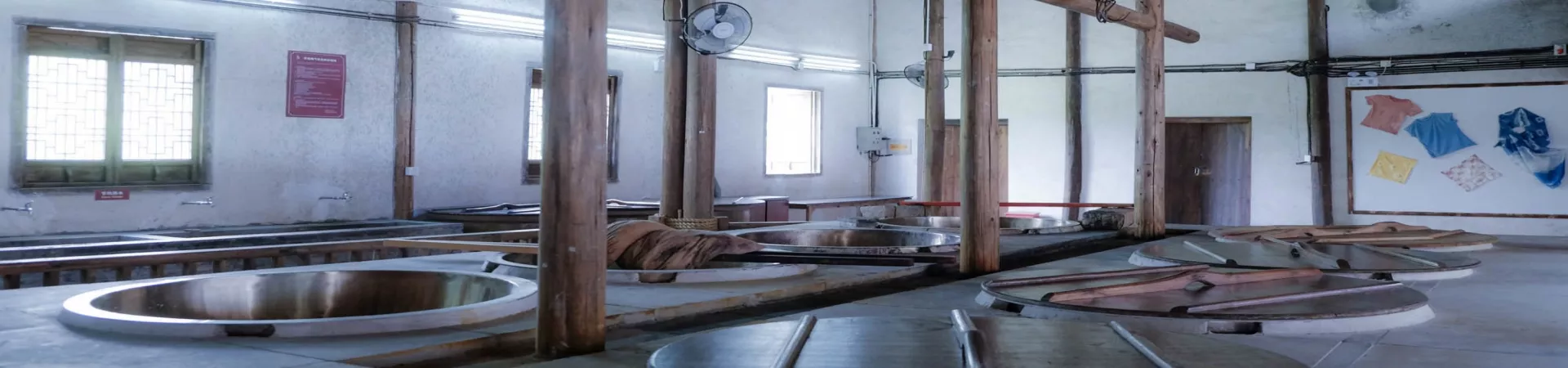
1. The Foundation: Natural Indigo Dyeing The heart of the workshop's tradition lies in the creation of blue calico. This process begins with the fermentation of indigo plants in large earthen vats to produce the characteristic deep blue dye. The fabric, typically handwoven cotton, is then prepared using a resist-dyeing technique. Intricate patterns are printed onto the cloth using a paper stencil (hua ban) coated with a paste made from soybean flour and lime. When the cloth is dipped into the indigo vat, the paste-resisted areas remain white, while the exposed fibers absorb the dye, emerging in shades ranging from sky blue to a profound, almost black navy after multiple dips and oxidations in the air. This eco-friendly process, relying entirely on natural materials, results in the timeless, elegant blue-and-white motifs often featuring floral, animal, or auspicious symbolic designs.
2. The Innovation: The "Color Baking" Technique What sets the Caomu Bense Dyeing Workshop apart is its mastery of the "color baking" (cai kao) process. This intricate technique involves the application of multiple mineral and plant-based pigments onto the fabric. Following application, the textiles undergo a controlled heating or "baking" process, which fixes the colors, resulting in extraordinary vibrancy and durability. The outcome is a breathtaking array of fabrics that boast a rich, multifaceted spectrum of colors—deep rusts, vibrant yellows, mossy greens, and earthy browns—all harmonizing in complex, beautiful patterns. This process demonstrates a sophisticated advancement in traditional dyeing, showcasing the artisans' deep understanding of chemistry and color.
The Iconic Landscape: The Grand Drying Ground
Architectural Scale and Function The most visually striking feature of the dyeing workshop is its vast, open-air drying ground. Paved with weathered grey bricks, the ground is dominated by a dense forest of tall wooden poles and multi-tiered, staircase-like drying racks constructed from bamboo and timber. This architectural setup is not for show; it is a crucial functional space where the newly dyed lengths of fabric are hung to dry naturally in the breeze and sunlight. The scale is monumental, designed to handle the workshop's substantial output and allowing the fabrics to dry evenly without losing their vivid hues.
A Living Canvas for Photography This functional space has organically transformed into one of Wuzhen's most photogenic spots. On a sunny day, especially when a gentle breeze sweeps through, the scene becomes magical. Hundreds of long, dyed cloths—alternating between the classic blue-and-white calico and the brilliantly hued "color-baked" textiles—flutter and dance in unison from the racks and poles. This creates a dynamic, ever-changing tapestry of color and motion. The visual spectacle is overwhelming, with waves of fabric creating a labyrinth of color. It is no wonder that this location has become a premier backdrop for visitors seeking to capture stunning personal photographs. Tourists often find themselves spending considerable time here, posing amidst the flowing textiles, capturing the interplay of light, shadow, and vibrant color, resulting in truly memorable "instagrammable" travel portraits.
Practical Visitor Information
Getting There The Caomu Bense Dyeing Workshop is located inside the Wuzhen Xizha Scenic Area. Access to the workshop requires an entry ticket to the Xizha area. Once within the pedestrian-only ancient town, the workshop is easily accessible on foot, allowing visitors to enjoy the scenic canals and architecture along the way. For a more atmospheric and traditional approach, visitors can opt to arrive via one of the iconic hand-rowed wooden boats that ply the canal network, offering a unique and peaceful perspective of the water town before disembarking near the workshop.
Admission Details Admission to the Caomu Bense Dyeing Workshop itself is free of charge. However, it is essential to note that access is included within the general admission ticket for the Wuzhen Xizha Scenic Area. Visitors must purchase a Xizha area ticket to enter the historic town and reach the workshop. There is no separate fee for the dyeing workshop.
Opening Hours The workshop is open to the public daily from 8:00 AM to 5:00 PM, throughout the year (January 1st to December 31st, Monday through Sunday). It is advisable to plan your visit during daylight hours to fully appreciate the colors of the fabrics, especially on the drying ground.
Suggested Duration A comprehensive visit to the workshop, including observing the dyeing processes (when demonstrations are active), exploring the exhibition areas explaining the history and techniques, and spending time photographing the magnificent drying ground, typically requires about 1 hour. Visitors with a deep interest in textiles, photography, or traditional crafts may wish to allocate more time to fully absorb the details and atmosphere.