Wusu Town
Subheading: The Easternmost Frontier: A Journey to Wushen Town, Where China Greets the Dawn
Introduction: The First Ray of Sunlight
Nestled at the confluence of the mighty Heilongjiang and Ussuri Rivers, Wushen Town in Fuyuan City, Jiamusi, holds a title of profound geographical and symbolic significance: it is recognized as the easternmost point of mainland China. This remote settlement, more accurately described as a scenic area and a historical sentinel than a conventional town, is where the first glorious rays of the sun touch Chinese soil each morning. A visit here is less about urban exploration and more about a pilgrimage to a national landmark, an immersion in powerful frontier scenery, and a reflective encounter with a unique chapter of Chinese history. The experience is defined by a vast, almost overwhelming sense of space—the endless flow of great rivers, the expansive wetlands, and the dramatic meeting point of nations.
1. The Allure of the Extremity: Landscape and Symbolism
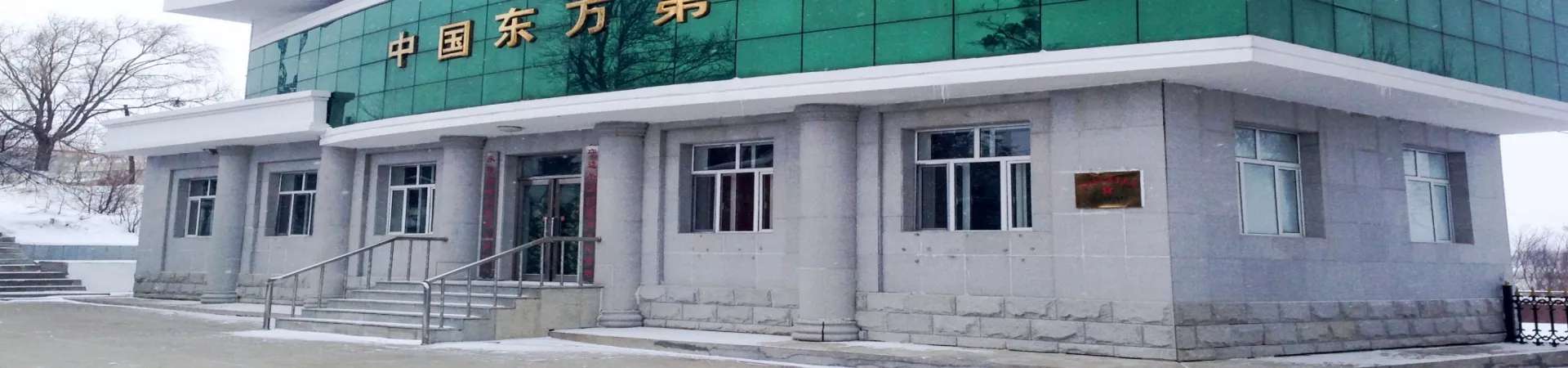
1.1. The "East Pole" Phenomenon The primary draw of Wushen is its status as China's "Eastern Pole." The most iconic site is the Easternmost Point Monument, a striking stele erected on a promontory that marks the precise longitudinal coordinate. Nearby, a sculpted installation of Chinese characters reading "Dong Ji Guang Chang" (Eastern Pole Plaza) has become a mandatory photographic stop for visitors. The profound sense of standing at the nation's geographical beginning is palpable, especially when witnessed at dawn.
1.2. Sunrise at the "First Post of the Motherland" The quintessential Wushen experience is attending the sunrise ceremony. Visitors gather in the pre-dawn darkness at the observation decks. As the sky lightens over the Russian territory visible across the Ussuri River, a solemn flag-raising ceremony is conducted by the Chinese border guards. Watching the national flag ascend with the very first golden light of day breaking over the horizon is a moment of powerful patriotism and natural beauty intertwined. It symbolizes the awakening of the country from this furthest edge.
1.3. Confluence of Giants: Heilongjiang and Ussuri Rivers The topography of Wushen is dominated by water. Here, the dark, winding waters of the Heilongjiang (Amur River) meet the clearer flow of the Ussuri River. This mighty junction, best appreciated from the observation tower or during a river cruise, creates a stunning natural spectacle. The rivers not only define the border but also nourish the vast, ecologically rich Sanjiang Wetlands at their confluence, a haven for migratory birds and a testament to untouched natural beauty.
2. Historical Echoes and Frontier Sentiment
2.1. The "Smallest Town" and Its Guardians Historically, Wushen was famed as "the smallest town in China," with a permanent population once recorded as just a single household. Today, it functions as a well-developed scenic zone. Its true inhabitants are the Border Defense Company stationed there. The military presence is integral to the town's identity, a constant reminder of its strategic importance. The well-preserved border sentry post and related exhibits offer insight into the daily lives of the soldiers who guard this remote frontier.
2.2. The Black Blind Island (Heixiazi Island) No historical overview of Wushen is complete without mentioning Heixiazi Island, a large alluvial island at the confluence. Once a disputed territory, its final demarcation and return to Chinese sovereignty in 2008 marked a significant historical resolution. Today, part of the island is accessible as a wetland ecotourism area, allowing visitors to step onto this historically significant land, now a symbol of peaceful settlement and rich biodiversity.
3. Practical Visitor Experience and Activities
3.1. Orientation and Key Sites The Wushen Scenic Area is laid out for visitor flow. Key sites are connected by walkways and viewing platforms: * The Main Monument Complex: Housing the Easternmost Point stele and plaza. * The Sunrise Observation Platform: The best spot for the flag-raising ceremony. * The Border Sentry Post & Exhibition: Showcasing frontier history. * The River Cruise Dock: Offering boat tours along the border rivers for closer views of the confluence and the Russian landscape opposite.
3.2. Journey and Accessibility Reaching Wushen is part of its adventure. The nearest major hub is Fuyuan City. The final leg from Fuyuan to Wushen involves a drive of about 30-40 minutes through flat, rural landscapes. Due to its extreme location, a visit requires careful planning. The most popular period is during the summer and early autumn (May to October) when the weather is mild, the rivers are navigable, and access is fully open. Winters are brutally cold but offer a stark, frozen beauty, with the rivers transformed into ice roads.
3.3. Logistical Considerations * Opening Hours: The scenic area is open all day, every day of the year. However, specific facilities like the exhibition hall or cruise operations have their own schedules, typically from early morning until evening. The sunrise ceremony time varies seasonally. * Accommodation & Dining: Overnight options within Wushen itself are very limited. Most visitors stay in Fuyuan City, which offers a range of hotels and restaurants serving fresh river fish and northeastern Chinese cuisine. Plan to have your transportation arranged for the early morning trip to see the sunrise. * Essentials: Given the exposure to the elements, bring sun protection, windbreakers, and insect repellent in summer. In winter, extreme cold-weather gear is mandatory. Always carry your identification (passport or ID card), as this is a sensitive border area with potential security checks.
4. The Essence of the Visit: More Than a Checkpoint
A trip to Wushen Town transcends typical tourism. It is an experiential journey defined by symbolic moments: the collective hush before the sunrise, the sight of two great rivers merging, the palpable sense of standing at the edge of a continent. It connects visitors to themes of national geography, historical resilience, and the quiet dedication of those who protect remote frontiers. While it may lack the conventional attractions of a city, it offers something far more unique—the profound feeling of being at China's beginning, where every new day starts.