Wusu Town Dongfang First Sentry
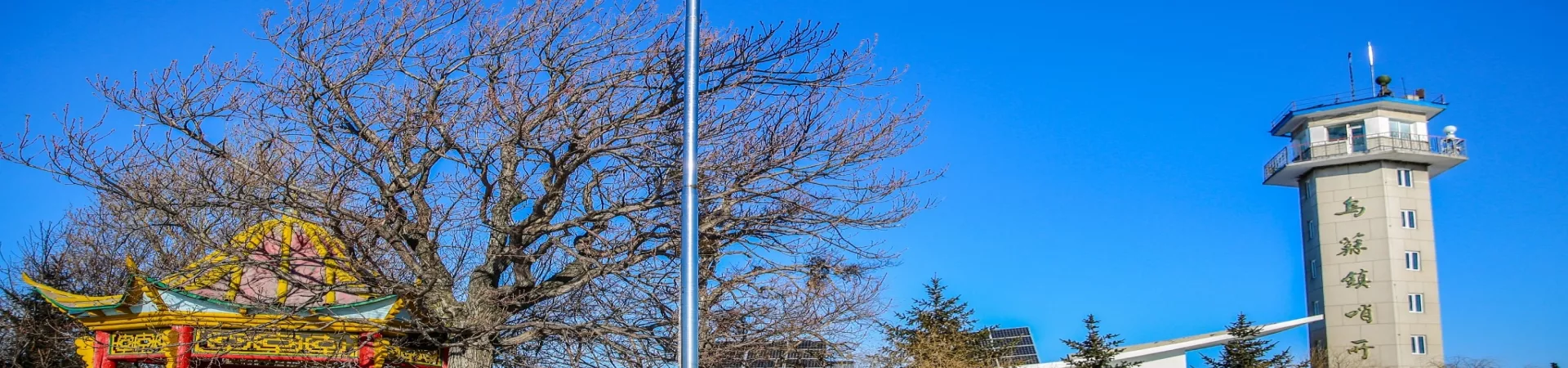
Subtitle: Where the Dawn First Breaks: A Journey to China's Easternmost Frontier
Introduction: The Edge of the Map and the Start of a Day
Nestled at the precise confluence of 48°15' north latitude and 134°40' east longitude, where the mighty Heilongjiang (Amur) River meets the vast Ussuri River, lies a place of profound geographical and symbolic significance: Wushenzhen, home to the "Oriental First Sentinel" outpost. More than just a remote military post, this is the easternmost point of the Chinese mainland, the very first place to be touched by the sunrise each day. For the intrepid traveler, a journey here is a pilgrimage to the literal edge of the nation, an opportunity to stand where the day begins and to feel the palpable weight of history, frontier spirit, and raw natural beauty. The experience is one of quiet majesty, far removed from the bustle of conventional tourist trails, offering a unique blend of patriotic symbolism, ecological wonder, and serene isolation.
I. Wushenzhen and the "First Sentinel": Pillar of the Frontier A. The Sentinel's Significance and Daily Ritual The "Oriental First Sentinel" (东方第一哨) is not merely a watchtower; it is a national symbol. This frontier defense outpost, manned by the People's Liberation Army, represents the vigilance and sovereignty of China at its eastern extremity. The daily flag-raising ceremony at sunrise is the undisputed highlight and a deeply moving spectacle. As the first golden rays of the sun streak across the river and the vast Siberian plains beyond, soldiers in crisp uniforms conduct a solemn, precise ceremony. The national flag is hoisted precisely as the sun breaches the horizon, a moment synchronized with the start of the day for the entire country. For visitors, witnessing this ceremony is an powerful, emotional event, connecting them to a sense of national identity and the dedication of those who guard the borders.
B. The Monument and the "First" Phenomenon Adjacent to the sentinel stands a striking monument—a tall, granite stele engraved with the characters "东极广场" (Eastern Pole Plaza) and "祖国东方第一哨" (The Motherland's Eastern First Sentinel). This is the ultimate photo opportunity, marking one's presence at this unique coordinate. The area embraces its "first" status: you can mail postcards from the "easternmost post office," stand on the "easternmost viewing platform," and purchase souvenirs certifying your visit to the "first place touched by the sun." This thematic consistency adds a layer of playful achievement to the profound geographical fact.
II. A Tapestry of History and Natural Grandeur A. Rivers as History: The Heilongjiang and Ussuri The location is defined by its waters. The Heilongjiang River, a colossal natural border, flows silently yet powerfully, separating China from Russia. Its dark, winding waters (the name "Heilongjiang" means "Black Dragon River") have witnessed centuries of history, from ancient tribal settlements to more modern frontier negotiations. The Ussuri River, a major tributary, joins here, creating a dramatic confluence. The riverbanks offer peaceful spots for contemplation, while boat tours provide a different perspective, allowing visitors to appreciate the scale of the landscape and observe the Russian village of Khabarovsk Krai on the opposite shore—a quiet reminder of the international boundary.
B. Wetlands and Wildlife: The Sanjiang Plain Ecosystem Beyond the immediate riverbanks, the region is part of the immense Sanjiang Plain, one of China's most significant wetland ecosystems. These wetlands, especially vibrant in summer and stunningly golden in autumn, are a haven for biodiversity. The area is a crucial stopover on migratory bird routes, attracting species like the red-crowned crane, oriental stork, and countless waterfowl. The air is crisp and clean, filled with the sounds of nature rather than urban noise. The contrast between the disciplined order of the sentinel and the untamed, sprawling wetlands creates a fascinating duality in the landscape.
III. Practical Guide for the Discerning Visitor A. Journey to the Edge: Access and Timing Reaching Wushenzhen is part of the adventure. The gateway city is Jiamusi, from where a scenic 4-5 hour drive eastward leads you through increasingly remote and beautiful countryside. The best time to visit is between May and October. Summer (June-August) offers lush greenery, pleasant temperatures, and active wildlife. However, early autumn (September to early October) is arguably the most spectacular, as the wetlands and forests erupt in fiery shades of red, orange, and gold under the clear, blue sky. Winter is harsh and extremely cold, accessible only for those seeking a truly austere, frozen frontier experience, with the river transformed into a solid highway of ice.
B. Immersive Experiences and Local Flavors 1. Sunrise Vigil: Plan to stay overnight in nearby accommodations (ranging from simple guesthouses to more comfortable lodges in Fuyuan County) to ensure an early arrival for the sunrise flag-raising. The pre-dawn anticipation, watching the sky lighten over the rivers, is unforgettable. 2. Borderland Exploration: Walk along the well-maintained paths of the Eastern Pole Plaza. Visit the small exhibition halls that detail the history of the frontier and the outpost. Take a short cruise on the Heilongjiang River for panoramic views. 3. Culinary Highlights: Given its riverine location, the local cuisine features exceptionally fresh freshwater fish. Must-try dishes include stewed Heilongjiang carp, braised fish in iron pot (铁锅炖鱼), and other hearty, warming meals perfect for the cooler climate. Wild mushrooms and forest herbs foraged from the surrounding area also appear on seasonal menus.
IV. The Intangible Essence: Solitude and Reflection Ultimately, a visit to the Oriental First Sentinel transcends checklist tourism. It is a place that demands and rewards stillness. After the ceremony crowds disperse, a profound quiet descends. Standing alone on the viewing platform, with the endless sky above and the two great rivers converging before you, evokes a deep sense of place and perspective. It is a reminder of the vastness of the country and the natural world, a chance to reflect on one's own journey at the very beginning of the day—and the continent. The combination of patriotic solemnity, breathtaking geography, and serene isolation makes it a uniquely resonant destination for those looking to connect with the foundational edges of China's landscape and spirit.