Starting point of Tongsan Highway
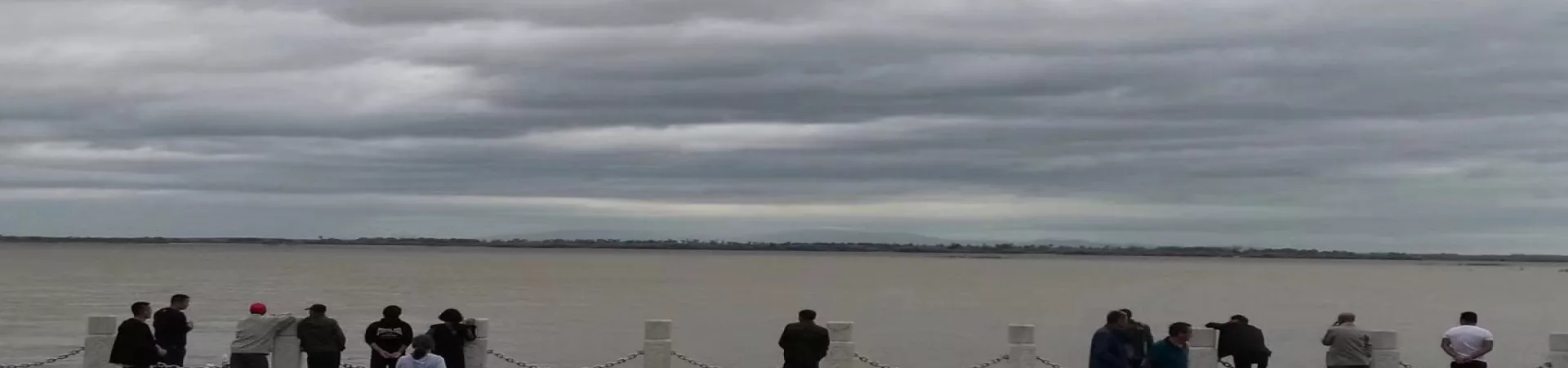
Subtitle: Where the Journey Begins: Exploring the "Tong-San" Highway's Northern Terminus in Jiamusi
Introduction: A Road That Connects a Nation
Nestled within the bustling cityscape of Jiamusi, in China's far northeastern Heilongjiang Province, lies a point of quiet significance for any road travel enthusiast or student of modern Chinese development. This is the northern starting point of the Tongjiang-Sanya Highway, universally known by its abbreviated name, the "Tong-San" Highway (G010). More than just a slab of concrete or a symbolic marker, this location represents the zero-milepost of one of the most ambitious and critical infrastructure projects in contemporary China—a 5,700-kilometer arterial vein that pulses from the cool, temperate forests of the northeast down to the tropical shores of the South China Sea. For visitors to Jiamusi, a trip to this starting point offers a profound perspective on scale, connection, and the engineering spirit that has reshaped the nation's geography.
1. The Significance of the "Tong-San" Highway (G010)
1.1. A Spine of Steel and Concrete The Tong-San Highway is not merely a road; it is the backbone of China's national trunk highway system. Designated as G010, it forms the longitudinal core of the "Five Vertical and Seven Horizontal" national highway network plan initiated in the early 1990s. Its route connects over ten provinces and provincial-level municipalities, linking major economic zones, agricultural heartlands, and strategic coastal regions. It serves as a vital conduit for logistics, commerce, and personal mobility, effectively shortening the perceived and real distances within the country.
1.2. From Concept to Reality: A Symbol of Progress The highway's completion and continuous upgrading symbolize China's rapid economic growth and its commitment to unifying its vast territory through modern infrastructure. Starting here in Jiamusi, one can contemplate the highway's journey—traversing the fertile plains of the Northeast, skirting the Bohai Sea, crossing the mighty Yangtze River, winding through the mountainous landscapes of southern China, and finally culminating at the beachfront of Sanya in Hainan. It is a tangible line drawn across the map, representing connectivity, accessibility, and national integration.
2. The Starting Point in Jiamusi: Location and Features
2.1. Finding the Kilometer Zero The precise northern terminus is situated in the Jiaoqu (suburban) district of Jiamusi. It is often marked by a dedicated monument or stele, a common practice for significant highway endpoints in China. This marker is the definitive "Kilometer Zero" point.
2.1.1. The Monument's Design: The stele is typically substantial and stylized, possibly incorporating elements that reflect local character or the highway's national importance. It might feature clear inscriptions such as "同三公路起点" (Tong-San Highway Starting Point) and "G010," along with directional information. The design often aims for a sense of permanence and milestone significance.
2.1.2. The Surrounding Context: The starting point is integrated into the local road network. Visitors will see the highway itself beginning its southward march, quickly expanding into a modern multi-lane expressway. The area around the monument may be landscaped, providing a small space for contemplation and photography.
2.2. Jiamusi: The Gateway City Understanding the starting point requires understanding its host city. Jiamusi is a key regional center in the Sanjiang Plain, a land of immense agricultural productivity near the confluence of the Songhua, Heilong, and Wusuli Rivers.
2.2.1. Historical and Economic Context: Historically a frontier settlement, Jiamusi grew into a major transport and trade hub for northeastern China. Its location made it a logical choice for the northern anchor of a national north-south corridor. The city's economy is intertwined with grain production, machinery, and paper manufacturing, all of which benefit from the highway's connectivity.
2.2.2. A Launchpad for Exploration: For travelers, Jiamusi serves as the gateway to the unique landscapes of the Far Northeast. From here, one can explore the wetlands of the Sanjiang Plain, the border regions along the great rivers, and the forested areas of the Lesser Khingan Range. The Tong-San starting point thus symbolizes the beginning of multiple journeys—both the epic national route and more localized adventures into Heilongjiang's natural and cultural heritage.
3. The Visitor Experience: More Than Just a Photo Opportunity
3.1. A Moment for Reflection Visiting the starting point is a contemplative experience. Standing at the monument, one is at the literal and figurative edge of an immense undertaking. It is a place to consider the sheer scale of China, the ambition of its infrastructure projects, and the countless stories of people whose lives and journeys have been intertwined with this ribbon of road—truck drivers, migrant workers, families on holiday, and entrepreneurs transporting goods.
3.2. Practical Information for the Visit
3.2.1. Access and Transportation: The site is accessible by taxi or local bus from downtown Jiamusi. It is advisable to have the Chinese name or a clear map point ready to show a driver. As it is a specific landmark rather than a broad tourist attraction, visitation is usually quick and self-directed.
3.2.2. Activities and Timing: The primary activities are photography, reading the informational plaques, and simply observing the traffic beginning its long journey. There are no extensive facilities, so it is best visited as part of a broader tour of Jiamusi's sights. A visit typically requires no more than 30 to 45 minutes, depending on one's interest.
3.2.3. Combining the Visit: To enrich the experience, visitors can combine this stop with other local attractions. The Jiamusi Water Control Project on the Songhua River offers another perspective on human engineering within the landscape. The city's museums can provide deeper historical context for the region's development.
4. The Road Ahead: From Local Landmark to National Narrative
The Tong-San Highway starting point, while a localized landmark, is intrinsically connected to a grand national narrative. It speaks to themes of development, ambition, and connectivity that are central to modern China's identity. For the international visitor, it provides a unique, grounded perspective on these vast processes. It is a place where one can physically stand at the beginning of a road that encapsulates a nation's drive to link its diverse parts into a cohesive whole. The hum of traffic heading south from this point is a constant reminder of the ongoing flow of people, ideas, and goods that define contemporary Chinese life, all beginning here, on the outskirts of Jiamusi.