Observing the Sunrise in Fuyuan
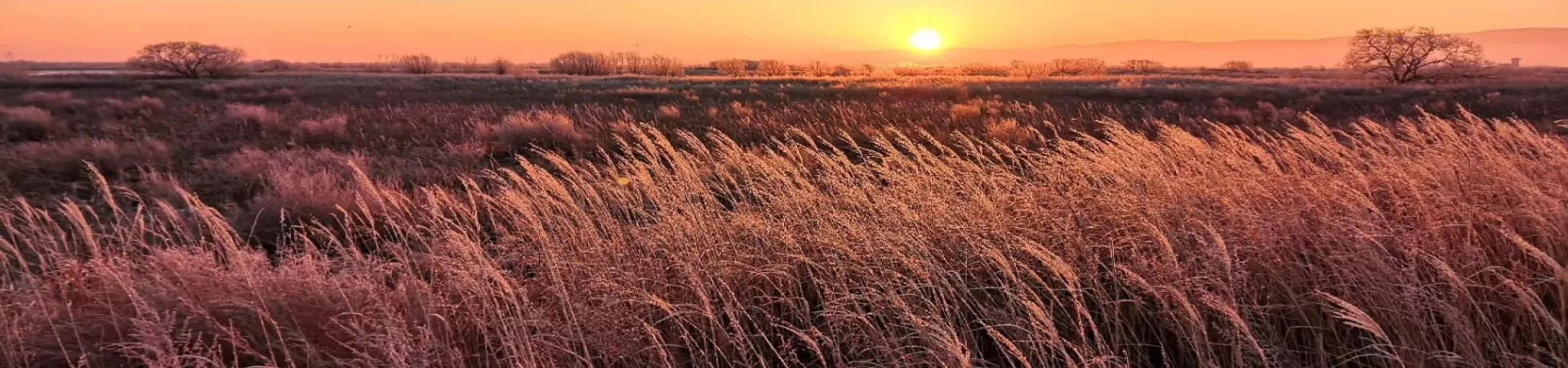
Subtitle: Chasing the First Rays of Dawn at the Easternmost Tip of China
1. Introduction: Where the Sun Begins Its Journey
Nestled at the confluence of the mighty Heilongjiang (Amur) and Wusuli (Ussuri) Rivers, and bordering Russia to the east and north, lies Fuyuan City—a place of profound geographical and symbolic significance. It is here, at the easternmost point of mainland China, where the first golden rays of the sun touch the nation each morning. Witnessing the sunrise in Fuyuan is not merely a scenic activity; it is a pilgrimage to the starting point of daylight, a moment of pure, symbolic resonance where visitors stand literally at the frontier of dawn. The experience intertwines natural spectacle with a palpable sense of place, offering a unique blend of tranquility, majesty, and patriotic sentiment that is unmatched elsewhere in the country.
2. The Prime Location: Dongji Square and the "East Pole"
2.1. The Iconic Dongji Square The epicenter of the sunrise experience is Dongji Square (Eastern Pole Square). Dominated by the majestic "North and East Pole" stele, this plaza is more than a viewing platform; it is a landmark declaring one's presence at China's geographical extremity. The square's design, with its sweeping views over the Heilongjiang River towards the Russian horizon, builds anticipation. As the sky begins to lighten, the atmosphere is one of collective, quiet expectation among visitors from all over the world.
2.2. The Symbolic "First Measuring Post of Chinese Territory" Adjacent to the square stands a monument of deep significance: the "First Measuring Post of Chinese Territory." This geodetic marker, representing the starting point of China's national geodetic network, physically and symbolically anchors the land. Watching the sunrise beside this post adds a profound layer of meaning, connecting the celestial event with the very definition of the nation's landmass. It is a powerful reminder that you are standing at the foundational reference point for all maps of China.
3. The Spectacle of Dawn: A Multisensory Experience
3.1. The Palette of the Prelude The show begins long before the sun itself appears. In the hour before sunrise, the vast sky over the river valley transforms into a dynamic canvas. Deep indigo softens into violet, then erupts into streaks of fiery orange, rose pink, and lavender. These colors reflect upon the broad, placid surface of the Heilongjiang River, doubling the beauty and creating a sense of immersive, 360-degree wonder. The air is crisp, clean, and often silent save for the gentle lapping of water and the distant calls of waking birds.
3.2. The Moment of Ascent The anticipation peaks as a sliver of intense, molten gold finally breaks the distant horizon line on the Russian side. It is a moment that often elicits spontaneous awe from the crowd. The sun seems to rise swiftly, transforming from a delicate arc to a radiant, full orb within minutes. Its light spills across the river, painting a shimmering golden path directly toward the shore at your feet. The dark silhouettes of far-off Russian hills and nearby Chinese riverbanks are suddenly gilded, bringing the entire border landscape to vivid life. The warmth of the first direct rays, after the cool morning air, is a tangible and rewarding sensation.
4. Planning Your Sunrise Pilgrimage
4.1. Timing is Everything: Seasons and Schedules The timing of the sunrise varies dramatically with the seasons, offering distinctly different experiences. * Summer (June-August): This is the peak season. Sunrise can be as early as 2:00-3:00 AM, offering the famous "Midnight Sun" effect where daylight persists deep into the night. The weather is mild, and the river is fully thawed, providing clear, expansive views. * Winter (December-February): For the truly adventurous. Sunrise occurs much later (around 6:00-7:00 AM). The river is a frozen, snow-covered plain, and the sun rises over a world of stark, pristine white and blue ice. The cold is extreme, requiring serious thermal preparation, but the surreal, crystalline beauty is unforgettable. * Shoulder Seasons (May, September): Often ideal for comfortable temperatures and manageable sunrise times (around 4:00-5:00 AM). The landscape is either blooming or adorned with autumn colors, adding another dimension to the view.
4.2. Essential Practicalities for Visitors * Arrival and Accommodation: Most visitors stay in Fuyuan's urban area. Ensure you book a hotel that can provide a very early morning wake-up call and arrange transportation (taxi or tour van) to Dongji Square, as no public transport runs at that hour. The drive from the city takes approximately 30-40 minutes. * The Non-Negotiable: Warm Clothing. Even in summer, the pre-dawn hours by the river are chilly, with significant wind. Layered clothing, a windproof and insulated jacket, gloves, and a hat are essential. In winter, expedition-level cold-weather gear is mandatory. * Photography Tips: Bring a tripod for stable long-exposure shots during the low-light pre-dawn period. A zoom lens is useful for capturing the sun's ascent in detail, while a wide-angle lens is perfect for capturing the vast landscape and sky. Protect your equipment from moisture and cold. * Beyond the Sunrise: The early morning light after sunrise is perfect for exploring other sites within the Heixiazi Island (Fuyuan) Tourist Zone, such as the ecological wetlands or the border marker park. The area is rich in natural beauty and historical border significance.
5. The Deeper Resonance: More Than a View
While the visual spectacle is paramount, the Fuyuan sunrise carries a weight beyond aesthetics. It is a moment of national symbolism, celebrated in Chinese media and culture as the "First Light of the Motherland." For many domestic tourists, it evokes a strong sense of pride and connection to the country's vast territory. For international visitors, it presents a unique opportunity to contemplate borders, shared landscapes (with Russia clearly visible), and the universal, daily miracle of dawn from a truly singular vantage point. The experience is both introspective and expansive—a quiet, personal moment set against the grand backdrop of geography and the dawning of a new day across an entire nation.