Fujin National Wetland Park
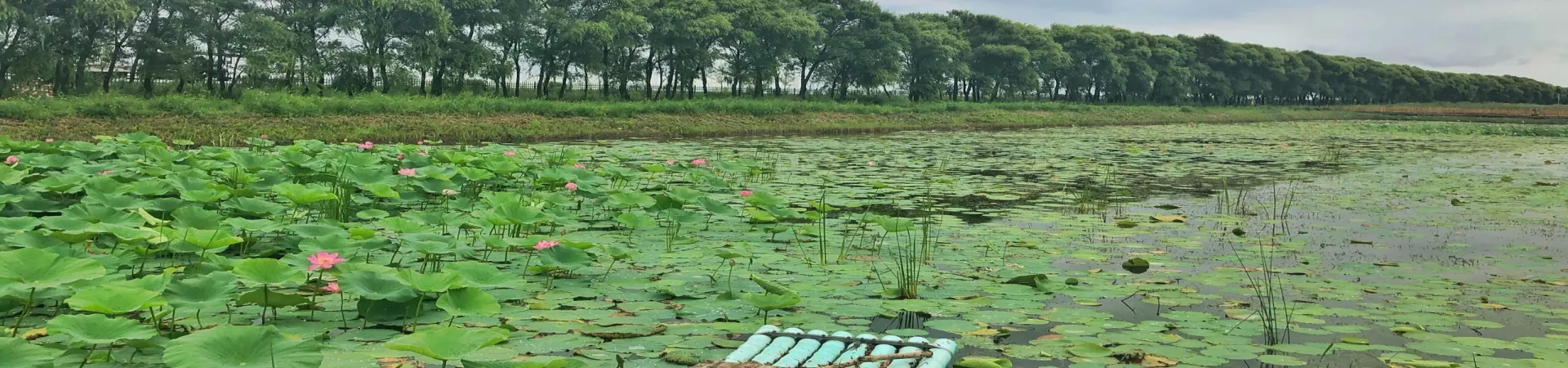
Subtitle: A Journey into the Heart of Northeast China's Wetland Wilderness
1. Introduction to Fujin National Wetland Park
Nestled approximately 50 kilometers southwest of Fujin's city center, the Fujin National Wetland Park stands as a monumental testament to China's dedication to ecological restoration and conservation. Spanning an impressive length of 3.5 kilometers from east to west and encompassing a vast area of 2,200 hectares, this park is a meticulously preserved sanctuary of water, reeds, and wildlife. Its development, with a significant investment of 15 million RMB, was strategically built upon the foundation of the pre-existing Jiamusi Municipal-level Protection Area, amplifying its scale and protective mandate. The park's national significance is underscored by its accolades: designated in 2008 as a National Demonstration Zone for Returning Farmland to Wetland, and honored in 2009 with the title of "National Ecological Civilization Education Base" by prestigious bodies including the State Forestry Administration and the Ministry of Education. As a nationally recognized AAA-level tourist attraction, it seamlessly blends rigorous environmental protection with immersive public education and serene natural tourism.
2. Planning Your Visit: Essential Practical Information
A smooth visit begins with practical knowledge. The following details will help you structure your trip to this natural haven.
2.1. Transportation and Location The park's location offers a perfect escape from urban life. Situated about a 50-kilometer drive from downtown Fujin, the journey itself through the Sanjiang Plain landscapes sets the stage for the natural experience ahead. Visitors typically arrive by private vehicle or arranged tour buses. While public transport options may be limited, the clear route and the park's prominence make it a straightforward destination for drivers. Ample parking is available near the visitor center.
2.2. Admission Fees and Policies The park maintains an accessible admission policy to encourage public engagement with nature. The standard entrance ticket is priced at 25 RMB per person. In line with its educational and inclusive ethos, the park implements a compassionate free admission policy for specific groups: children whose height is below 1.0 meter and senior citizens aged 70 and above who present a valid ID card can enter free of charge. This policy ensures that families and elders can enjoy the natural splendor without financial barrier.
2.3. Operating Hours The park welcomes visitors daily throughout the year, offering consistent access to its changing seasonal beauty. The operating hours are from 08:00 in the morning until 17:00 in the afternoon. This schedule applies from Monday to Sunday, across all seasons from January 1st to December 31st. It is advisable to plan your arrival with sufficient time to fully explore the extensive boardwalks and observation points before closing.
3. The Ecological and Experiential Core of the Park
Beyond the practicalities lies the true essence of Fujin National Wetland Park—a dynamic ecosystem and a place of profound tranquility.
3.1. A Landscape of Water and Reeds The park's identity is sculpted by its vast wetlands, a mosaic of open water, meandering channels, and seemingly endless expanses of reed beds. These reeds, or Phragmites australis, are not merely scenery; they are the ecological engineers of the park, purifying water, stabilizing sediments, and forming the primary habitat. The sight of these golden or green reeds swaying in the wind, stretching to the horizon, is the park's defining and most majestic visual signature. Carefully constructed wooden boardwalks and viewing platforms allow you to venture deep into this aquatic landscape without disturbing its delicate balance.
3.2. A Sanctuary for Avian Life For bird enthusiasts, the park is nothing short of a paradise. It serves as a critical stopover, breeding ground, and habitat for a multitude of bird species. During migration seasons, the skies and waters come alive with activity. You may spot elegant egrets and herons wading in the shallows, various species of ducks and geese resting on the water, and perhaps even the majestic red-crowned crane, a symbol of longevity and a rare treasure. The park's "Ecological Civilization Education" function is vividly realized here, offering unparalleled opportunities to observe and learn about avian ecology and the importance of wetland conservation.
3.3. Seasonal Transformations The park dons dramatically different attire with each season, offering a unique reason to return. Spring brings a surge of life with budding reeds and the return of migratory birds. Summer cloaks the park in a deep, lush green, with vibrant aquatic plants and intense bird breeding activities. Autumn is arguably the most spectacular season, as the reed beds transform into a breathtaking sea of shimmering gold and copper, creating a photographer's dream. Winter, while harsh, presents a minimalist, serene beauty with frost-covered reeds and ice-locked waterways, revealing a starkly different aspect of the wetland's character.
4. Immersive Activities and Visitor Engagement
A visit to Fujin is an active engagement with the environment, designed to be both educational and rejuvenating.
4.1. Walking the Boardwalks and Observation The primary activity is traversing the extensive network of elevated boardwalks. These paths guide you safely over the water and through the reed marshes, leading to strategically placed observation decks and towers. From these vantage points, you can enjoy panoramic views, practice bird watching with binoculars, and simply absorb the immense scale and peace of the wetland. Informational signage along the routes provides insights into the flora, fauna, and ecological processes at work.
4.2. Photography and Artistic Inspiration The park is a natural studio for photographers and artists. The interplay of light on the water, the textures of the reeds, the graceful movements of birds, and the vast, open skies offer endless compositional possibilities. The golden hour during sunrise and sunset, especially in autumn, paints the landscape in extraordinary hues, making it a coveted destination for nature photography.
4.3. Environmental Education and Quiet Contemplation True to its title as an education base, the park offers a profound lesson in ecology simply through immersion. It is a place for quiet contemplation, where the sounds of civilization fade away, replaced by the rustle of reeds, the calls of birds, and the whisper of the wind. This environment fosters a deep appreciation for wetland ecosystems and the critical "Returning Farmland to Wetland" initiative it represents, allowing visitors to understand firsthand the value of such conservation efforts.