Kedaxing Ancient Village
Subtitle: A Journey Through Time in China's Enigmatic Ancient Village
1. Introduction: The Allure of Huangshi Kedaxing Ancient Village
Nestled within the rugged landscapes of China's Hubei province, the Huangshi Kedaxing Ancient Village stands as a testament to centuries of cultural heritage and architectural ingenuity. This hidden gem, often overshadowed by more famous destinations, offers visitors a rare glimpse into a bygone era where tradition and nature intertwine seamlessly. As a senior travel planning expert, I aim to present a comprehensive guide that not only highlights the village's historical significance but also provides practical insights for an immersive experience. From its winding stone pathways to its well-preserved Ming and Qing dynasty structures, Kedaxing is more than just a tourist spot—it is a living museum where every corner tells a story of resilience, community, and artistic expression.
2. Historical and Cultural Significance
2.1. Origins and Evolution
The origins of Kedaxing Ancient Village date back over 600 years, with its establishment during the late Yuan or early Ming dynasties. Initially settled by families seeking refuge from regional conflicts, the village evolved into a thriving hub of trade and craftsmanship, thanks to its strategic location along ancient merchant routes. The architecture reflects this rich history, with buildings constructed from local materials like gray bricks and wooden beams, designed to withstand the test of time and the elements. Over the centuries, Kedaxing has maintained its cultural identity through festivals, folk arts, and oral traditions passed down through generations, making it a vital repository of intangible heritage.
2.2. Architectural Marvels
2.2.1. Traditional Dwellings and Layout
The village's layout is a masterpiece of ancient urban planning, characterized by narrow alleys, courtyards, and interconnected homes that foster a sense of community. Key architectural features include upturned eaves, intricate wood carvings depicting mythological scenes, and stone reliefs that adorn doorways and windows. Many structures incorporate feng shui principles, with orientations designed to harmonize with the surrounding mountains and rivers. Notable buildings include the ancestral halls, which serve as centers for clan gatherings and rituals, and the old opera stage, where performances once entertained villagers and travelers alike.
2.2.2. Preservation Efforts
In recent years, local authorities and heritage organizations have undertaken significant efforts to preserve Kedaxing's architectural integrity. Restoration projects focus on using traditional techniques and materials to maintain authenticity, while also adapting some areas for sustainable tourism. Visitors can witness these efforts firsthand, gaining an appreciation for the challenges and triumphs of conserving such a historic site.
3. Experiencing Kedaxing: A Visitor's Guide
3.1. Key Attractions and Activities
3.1.1. Walking Tours and Exploration
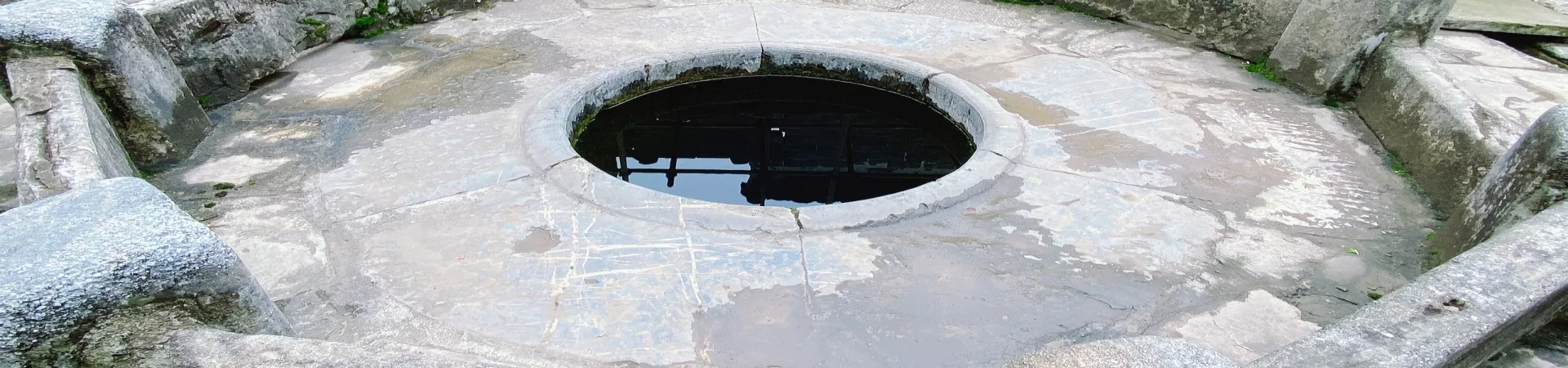
A self-guided or guided walking tour is the best way to absorb the village's charm. Start at the main entrance, where a stone archway marks the transition into the ancient world. Meander through the central lane, pausing to admire the well-preserved residences and small temples. Don't miss the ancient wells, which once provided water for the entire community and are now symbols of the village's self-sufficiency. For a deeper cultural immersion, participate in workshops on traditional crafts like bamboo weaving or pottery, often led by local artisans.
3.1.2. Natural Surroundings and Scenery
Kedaxing is enveloped by lush forests, terraced fields, and gentle streams, offering ample opportunities for nature enthusiasts. Hiking trails lead to vantage points with panoramic views of the village and its environs, particularly stunning during sunrise or sunset. The changing seasons bring different hues—vibrant greens in spring, golden harvest tones in autumn—making it a year-round destination for photography and relaxation.
3.2. Practical Information for Travelers
3.2.1. Accessibility and Transportation
Reaching Kedaxing requires a bit of planning, as it is situated approximately 150 kilometers from Wuhan, the provincial capital. Visitors can take a high-speed train to Huangshi City, followed by a local bus or taxi to the village. The journey takes about 3-4 hours in total, but the scenic route through rural Hubei is part of the experience. For those driving, parking is available near the village entrance, though it's advisable to arrive early during peak seasons to avoid crowds.
3.2.2. Accommodation and Dining
While Kedaxing retains its rustic ambiance, several guesthouses and homestays offer comfortable lodging within restored ancient buildings. These accommodations provide a unique chance to stay overnight and experience the village's tranquil atmosphere after day-trippers depart. Local cuisine features farm-to-table dishes, such as braised pork with bamboo shoots, freshwater fish from nearby rivers, and homemade pickles. Be sure to try the regional tea, grown in the surrounding hills, which complements meals perfectly.
4. Community and Sustainable Tourism
4.1. Engaging with Local Life
One of Kedaxing's most rewarding aspects is the opportunity to interact with its residents, many of whom are descendants of the original settlers. Engaging in conversations—perhaps with the help of a local guide—can reveal personal stories and customs not found in guidebooks. Community-led initiatives, such as seasonal festivals or market days, allow visitors to support the local economy directly by purchasing handicrafts or agricultural products.
4.2. Responsible Travel Practices
To ensure Kedaxing's preservation for future generations, travelers are encouraged to adopt sustainable practices. This includes respecting private properties, avoiding littering, and minimizing noise in residential areas. Photography is generally welcomed, but it's courteous to ask permission before taking close-up shots of people or interiors. By traveling mindfully, visitors contribute to the village's ongoing cultural vitality and environmental protection efforts.
For inquiries or assistance, contact: 15157382270 or 15971513840.