YIXIAN COUNTY XIDI CHINA
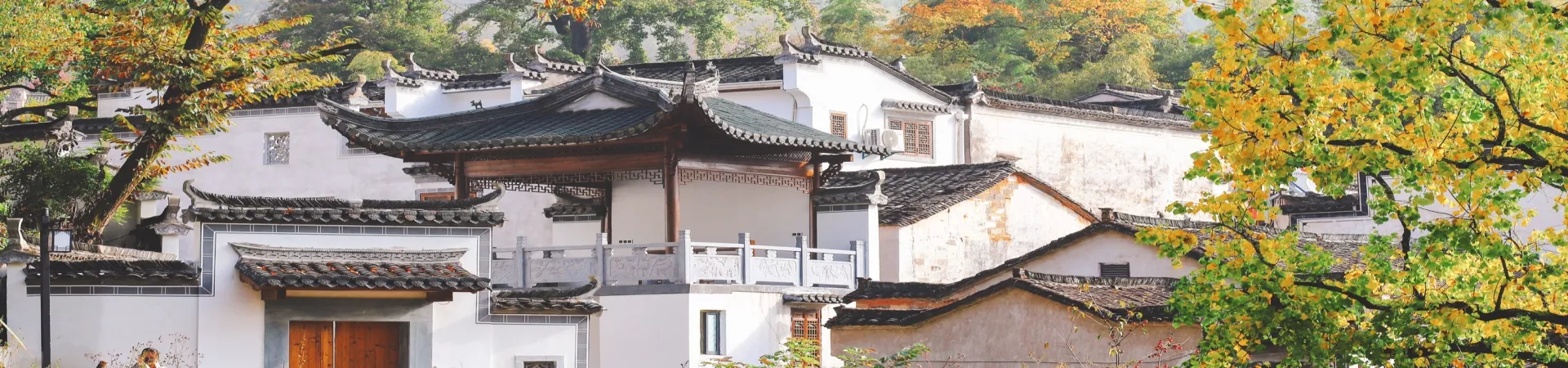
Xidi Village: A Living Museum of Huizhou Culture Amidst Yellow Mountain's Peaks
An Introduction to a UNESCO Gem
Nestled in the picturesque hills of southern Anhui Province, approximately 50 kilometers from the majestic Mount Huangshan (Yellow Mountain), lies Xidi Village. This is not merely a scenic stopover but a profound journey into China's architectural and cultural past. With a history stretching back nearly a millennium to the Northern Song Dynasty (c. 1047 AD), Xidi stands as one of the most exceptionally preserved ancient villages in China. Its outstanding universal value was globally recognized in 2000 when it was inscribed, alongside nearby Hongcun, as a UNESCO World Heritage Site under the designation "Ancient Villages in Southern Anhui – Xidi and Hongcun." Often hailed as "the most beautiful village in the world" and "a treasure trove of ancient residential architecture," Xidi offers visitors an immersive experience into the refined aesthetics and scholarly traditions of the Huizhou merchants who built it.
The Architectural Tapestry: A Walk Through Ming and Qing Dynasties
· Layout and Landscape: A Harmonious Design The village's layout is a masterpiece of traditional Chinese geomancy (Feng Shui) and planning. Designed in the shape of a sailing ship, it is cradled by verdant mountains and cradled by two clear streams that meander through its heart, symbolizing fortune and longevity. These streams are channeled alongside the main road, providing a constant, gentle murmur that accompanies your exploration. The village is a labyrinth of profound beauty, consisting of over 300 well-preserved residential houses from the Ming (1368-1644) and Qing (1644-1912) dynasties, connected by 99 narrow, high-walled lanes paved with local bluestone (dali). Walking these serene alleys, flanked by elegant white walls capped with black tile "horse-head" gables, feels like stepping into a living painting, where the hustle of the modern world fades away.
· Iconic Structures and Artistic Details The architecture is the soul of Xidi. The Huizhou style is characterized by its elegant simplicity, exquisite brick, wood, and stone carvings, and clever integration with the natural environment. The houses typically feature central courtyards (tianjing) for light and drainage, ornate gateways, and beautifully carved beams, lattice windows, and column bases. The exteriors are uniformly majestic yet understated, with the stark contrast of white plastered walls and dark grey tiles creating a visually stunning effect against the green hills and, seasonally, brilliant yellow rapeseed flowers.
Key Landmarks Not to Be Missed
· The Memorial Archway: A Symbol of Prestige Dominating the entrance to the village is the magnificent three-bay, four-pillar, five-story stone memorial archway (pailou). Erected in 1578 during the Ming Dynasty by imperial permission in honor of Hu Wenguang, a prominent official from the Hu clan, it is a rare and well-preserved testament to the family's prestige, scholarly achievements, and virtue. Its intricate carvings of lions, flowers, and auspicious patterns showcase the pinnacle of stone masonry from that era and serve as a grand prelude to the village's heritage.
· Grand Mansions: Lifu Hall and Daifu Di Among the hundreds of dwellings, several stand out for their scale and artistry. Lifu Hall, built by a wealthy merchant in 1691 (Qing Dynasty), is renowned for its elegant wood carvings and a central hall adorned with couplets and paintings reflecting the family's literary aspirations. Daifu Di (the Residence of the Imperial Official), another Qing-era complex, is famous for its intricately carved gate tower and its distinctive "leaning" front door, designed both for aesthetic appeal and Feng Shui purposes. Today, Daifu Di often serves as a venue for cultural performances, where visitors might witness traditional activities like the "Ancient Maiden's Embroidery Ball Toss" from its high chamber window, offering a playful glimpse into historical customs.
· Interior Courtyards and Carving Arts Venturing inside these mansions is essential. The interior courtyards, often containing small gardens or potted plants, create tranquil, private oases. The true marvels lie in the "Three Carvings" (brick, wood, and stone) that adorn every conceivable surface. These carvings depict scenes from folklore, historical tales, auspicious symbols like bats (for fortune) and deer (for prosperity), and natural motifs, each carrying deep cultural connotations and demonstrating the immense wealth and refined taste of the Huizhou merchants.
A Practical Guide for Your Visit
· Best Time for Travel Xidi is photogenic year-round, but it is particularly breathtaking from mid-March to April. During this period, vast seas of vibrant yellow rapeseed flowers bloom in the fields surrounding the village, creating a stunning color contrast with the black-and-white architecture and emerald mountains—a paradise for photographers. Autumn (September-November) offers clear, crisp air and pleasant temperatures.
· Transportation: How to Get There Xidi is accessible from several key points in the region: 1. From Huangshan City/Tunxi: The most common gateway. Take a bus from Huangshan Bus Station to Yixian County. From Yixian, transfer to a local bus to Xidi. Alternatively, direct tourist buses (e.g., Travel Route 1) run from Tunxi (Huangshan) Bus Station to Hongcun, stopping at Xidi. The journey takes about 1 hour. 2. From Hongcun: Regular tourist shuttle buses connect Hongcun and Xidi. You can also take a local bus from Hongcun to Yixian and transfer there. 3. Local Bus: Within Yixian, Public Bus Route 1 goes to Xidi Village Committee stop. From there, it's a short 140-meter walk to the entrance.
· Admission and Opening Hours - Ticket: A standard adult ticket costs approximately 94 RMB. Discounted tickets (around 52 RMB) are available for minors (1.2m-18 years), students with valid ID, and seniors aged 60-65. Free admission is granted to children under 1.2m, seniors over 65, disabled visitors, active military personnel, and members of provincial-level or above photographic associations. Prices and policies are subject to change; please verify at the ticket office. - Opening Hours: The village is generally open to visitors all day. However, access to specific interior mansions may have operating hours (typically ~8:00 AM to 5:00 PM). A special national policy valid until December 31, 2024, grants unlimited free entry for five years to all medical staff who aided in Hubei during the pandemic, upon presentation of valid certification.
· Suggested Duration A thorough exploration of Xidi's lanes, key mansions, and quieter corners requires at least 3 to 5 hours. Many visitors choose to spend half a day or combine it with a visit to Hongcun for a full-day cultural immersion. Its compact size makes it perfect for a day trip, but its atmosphere invites a leisurely pace.
Information last updated: September 2023. Travel details should be confirmed with local operators.