Tunxi Old Street
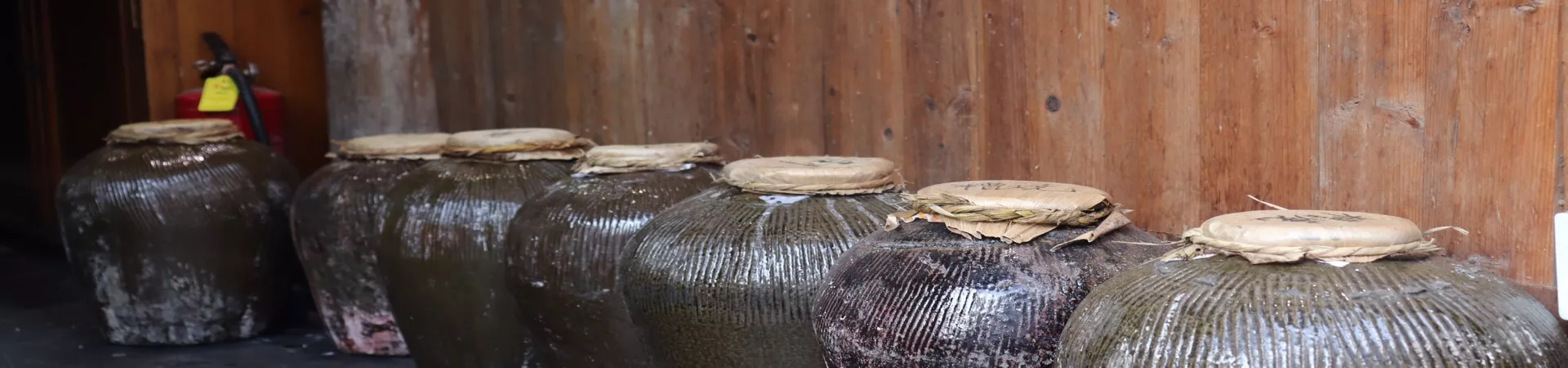
Subtitle: A Journey Through Time: Exploring Tunxi Old Street, the Living Heart of Huangshan
Introduction: The Soul of Huizhou
Nestled in the heart of Huangshan City, Tunxi Old Street (屯溪老街) is far more than a mere tourist destination; it is a living, breathing museum and the pulsating commercial heart of the region. While its physical length is not extensive, its historical and cultural depth is immense. Revered as one of the best-preserved ancient commercial streets in China, it serves as a magnificent open-air archive showcasing the distinctive architectural aesthetics of the Song, Ming, and Qing dynasties. For most visitors arriving in Huangshan, a pilgrimage to this storied avenue is the perfect introduction, offering a tangible connection to the ancient Huizhou culture before venturing into the majestic Yellow Mountains.
Section 1: A Stroll Through Architectural History
1.1. The Fabric of the Past: Stones and Structures The moment you step onto its smooth, worn bluestone slabs, you are transported centuries back. The street's charm lies in its harmonious collection of traditional Huizhou architecture. White-walled houses with elegant horse-head gables (马头墙) line the narrow lane, their black tiles, intricately carved wooden windows, and stone doorframes speaking of a refined aesthetic from a bygone era. The buildings, mostly two-story structures, were designed with a commercial purpose: the ground floors serving as bustling shop fronts, while the upper floors were reserved for living quarters. This seamless blend of function and form creates an immersive historical atmosphere.
1.2. The Western Sentinel: The Old Bridge Your walk along the main street naturally culminates at its western end, where you encounter a significant historical landmark—the Old Bridge (老大桥). Built during the Ming Dynasty, this sturdy stone arch bridge stands as a silent witness to centuries of history. Remarkably, it remains in active use today, connecting the old town with newer districts and serving as a perfect vantage point to view the street's panorama and the flowing river beside it. It symbolizes the continuity of tradition amidst modern life.
Section 2: The Thriving Heart of Commerce and Culture
2.1. Time-Honored Brands and Local Treasures Tunxi Old Street is a paradise for cultural enthusiasts and shoppers alike. It has been a center of commerce for hundreds of years, a legacy continued by its numerous time-honored shops (老字号). You can find historic establishments like "Tongrentang" Pharmacy (同仁堂), with its heritage of traditional Chinese medicine, and "Chengdexin" (程德馨), famous for its artisanal soy sauce. These shops are custodians of tradition.
2.2. Must-Buy Souvenirs and Handicrafts The street is the ideal place to purchase authentic local specialties. Key items include: * The Four Treasures of the Study (文房四宝): As the former heart of the influential Huizhou merchant culture, renowned for its scholars, the street offers exquisite Hui inksticks, She inkstones, Xuan paper, and Hu brushes. * Huangshan Tea (黄山茶叶): Sample and purchase some of China's finest teas, such as the delicate Huangshan Maofeng or the smoky Keemun black tea. * Huizhou Carvings: Intricate wood, stone, and brick carvings that once adorned local buildings are now available as beautiful handicrafts.
Section 3: Immersive Experiences Beyond Shopping
3.1. Culinary Delights and Local Flavors Beyond shopping, the street is a hub for local cuisine. Numerous restaurants and food stalls offer Huizhou delicacies. Be sure to try dishes like stinky mandarin fish (臭鳜鱼), hairy tofu (毛豆腐), and various savory pastries. The air is often filled with enticing aromas, making a meal here a essential cultural experience.
3.2. Museums and Cultural Pauses Scattered along and near the street are several small museums and cultural exhibits, often housed within historical buildings themselves. These spaces delve deeper into the history of Huizhou merchants, local art, and the street's evolution, providing valuable context to your walk.
3.3. The Art of Leisure: Cafes and Riverside Views One of the greatest pleasures of Tunxi Old Street is simply to slow down. In recent years, charming cafes and tea houses have nestled alongside the old shops. Securing a seat at an outdoor table, sipping a coffee or local tea, and watching life unfold against the backdrop of ancient architecture is a quintessential and unforgettable way to spend a leisurely afternoon.
Section 4: Practical Information for Your Visit
4.1. Location and Accessibility Tunxi Old Street is located in the downtown area of Huangshan City (formerly Tunxi District). It is easily accessible. * By Public Bus: Take bus No. 5, 12, or other local lines and alight at stops like "Erma Lu" (二马路) or "Tunxi Old Street." The entrance is a short walk from the bus stops. * By Taxi/Rideshare: A convenient and inexpensive option from anywhere in the city center.
4.2. Admission and Opening Hours * Admission Fee: There is no entrance fee to access the Old Street itself. It is a public pedestrian area. Some individual museums or historic homes within may charge a small ticket fee. * Opening Hours: The street is open to pedestrians 24 hours a day. Shops and restaurants typically operate from around 9:00 AM until 10:00 PM or later. The ambiance differs beautifully between day and night, with lanterns illuminating the buildings after dark.
4.3. Suggested Duration and Tips * Time Recommended: Allocate 1 to 3 hours for a thorough visit. This allows time for unhurried strolling, shopping, visiting a museum, enjoying a snack or drink, and soaking in the atmosphere. * Best Time to Visit: Early morning offers a quieter, more photogenic experience. Evenings are lively with illuminated buildings and bustling crowds. * Accommodation: The surrounding area offers a wide range of accommodation, from boutique hotels within restored old buildings to modern chains, making it a very convenient base for exploring Huangshan.
Information last updated: June 2023