Shouxian Ancient City Wall
Subtitle: A Journey Through Time: Exploring the Historic Walled City of Shouxian
Introduction: The Living Legacy of an Ancient Capital
Nestled in the Huainan region of Anhui Province, the ancient city of Shouxian stands as a monumental testament to China's layered history. Known historically as Shouchun, this site served as the capital of the powerful Chu State during the tumultuous but culturally rich Spring and Autumn and Warring States periods. While the city's strategic importance dates back over two millennia, the physical structure that visitors encounter today is primarily a magnificent creation of the Ming and Qing dynasties. Built upon solid foundations with imposing, robust walls, the city has been preserved with remarkable integrity. It is not merely a static museum piece but a vibrant, living community where locals go about their daily lives amidst the echoes of the past, offering an authentic and immersive historical experience that is increasingly rare.
The Crown Jewel: The Song Dynasty City Wall
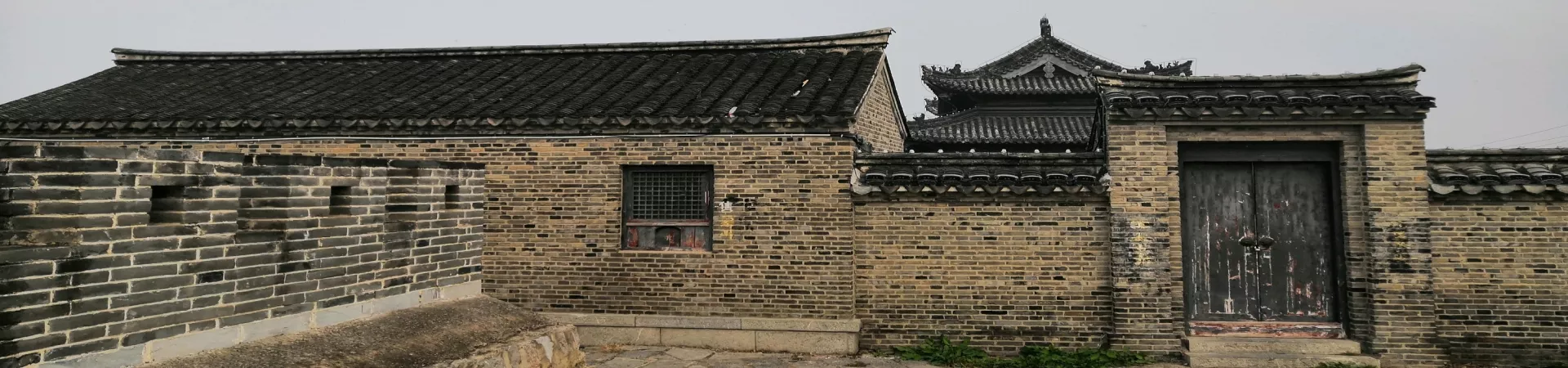
A Dual-Purpose Marvel of Engineering Encircling the ancient city is the exceptionally preserved Song Dynasty City Wall, the site's most defining feature. Continuously maintained and reinforced through subsequent dynasties, this structure is a masterpiece of ancient Chinese military and civil engineering. Its most ingenious aspect is its dual-function design. The wall served the primary purpose of military defense, with its broad top allowing for the rapid movement of troops and its sturdy construction deterring invaders. Simultaneously, it was engineered as a critical flood control system for the city, which lies near the Huai River. The outer surface is clad in bricks, a refinement added over time that contributes to its enduring strength and striking appearance.
Historical Significance and Preservation Recognized as one of the seven best-preserved ancient city walls in China, the Shouxian wall boasts an impressive pedigree. Its core structure predates the famous Pingyao Ancient City in Shanxi by approximately a century, offering a tangible link to an earlier epoch of Chinese urban fortification. Walking along its spacious ramparts, visitors can trace the contours of history, appreciating the craftsmanship that has withstood both the onslaught of armies and the relentless force of seasonal floods from the nearby Huai River. The wall's preservation allows for a profound understanding of urban planning and defensive strategy in ancient China.
Stories Etched in Stone: Legends of the Wall The wall is more than brick and mortar; it is a canvas for local folklore. Several captivating legends are intimately associated with its gates and stones. The tale of "Shi Du Qing Shen" (The Deep Love of a Mother Cow Licking Her Calf) speaks to themes of maternal sacrifice. The story of "Men Li Ren" (The Person Inside the Gate) is a classic parable about vigilance and unforeseen consequences. Perhaps the most famous is "Ren Xin Bu Zu She Tun Xiang" (Man's Heart is Never Satisfied, Like a Snake Trying to Swallow an Elephant"), a cautionary fable about greed that is known throughout Chinese culture. These narratives, often pointed out by local guides, infuse the ancient stones with moral and cultural significance, bridging the gap between the physical structure and the intangible heritage of the region.
The Environs: River Views and Moat Serenity
The city's relationship with water is a constant and scenic theme. To the north, the mighty Huai River flows, and from the northern section of the wall, visitors are treated to expansive, tranquil views of this historically significant waterway. More intimately, the entire city is girded by a preserved moat, a tranquil band of water that reflects the weathered walls and adds to the site's picturesque and defensive character. A leisurely stroll along the wall's battlements provides a constantly shifting perspective—looking inward over the tiled roofs of the old city and outward across the moat to the surrounding landscape, making it a favorite activity for both photographers and those seeking contemplation.
Life Within the Walls: The Ancient City Interior
Passing through one of the majestic city gates is like stepping into a living timeline. The interior of Shouxian Ancient City is a dense tapestry of well-preserved traditional architecture, including ancestral temples, old government offices, and classic residential compounds with their distinctive grey-tiled roofs and ornate gables. Unlike some restored ancient towns, Shouxian remains a fully functioning community. The narrow lanes are alive with the sounds of daily life: residents chatting, vendors selling local snacks like Shouxian dabing (a type of large pastry), and children playing. This vibrant human element ensures the city feels genuine and warmly atmospheric, not merely a historical exhibit.
Practical Information for Visitors
Transportation Reaching Shouxian Ancient City is straightforward. From downtown Huainan, visitors can take public bus route 29 and then transfer to the special tourist bus 601, which provides a direct connection to the ancient city site.
Admission and Fees Access to the ancient city itself and walks atop the magnificent city wall are free of charge. Fees apply only if you wish to enter the historic gate towers that punctuate the wall. Currently, admission to the gate tower at the South Gate costs 5 RMB, while entering the gate tower at the East Gate costs 10 RMB. These towers often house small exhibits on local history and offer unique vantage points.
Opening Hours The ancient city and its walls are accessible to the public 24 hours a day, every day of the year. This allows for incredible flexibility, whether you wish to see the walls bathed in morning light, explore the bustling lanes at midday, or witness a sunset over the Huai River from the ramparts. The interior courtyards of specific historical buildings may have their own operating hours.