Pearl Spring
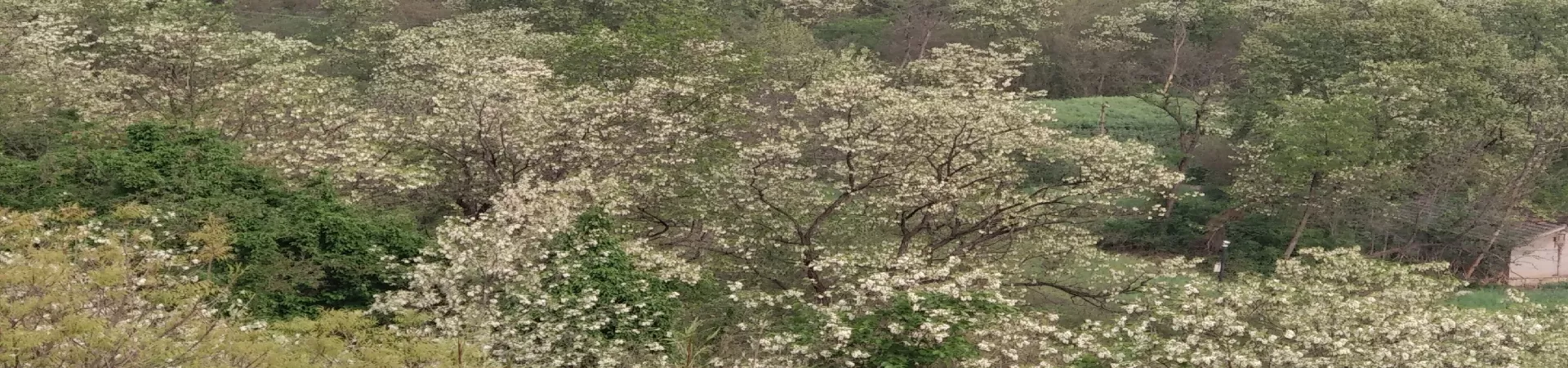
Subtitle: A Journey into Huainan's Hidden Gem: The Enchanting Pearl Spring
Introduction: Unveiling a Natural Wonder
Nestled within the historical and cultural landscape of Huainan City in Anhui Province, China, lies a tranquil and captivating natural attraction known as Zhenzhu Quan, or the Pearl Spring. Far from the bustling crowds of major metropolitan tourist hubs, this site offers a serene escape and a unique geological spectacle. While concise online descriptions provide basic facts, a deeper exploration reveals a destination where nature's artistry, local lore, and a peaceful ambiance converge. This guide aims to provide a comprehensive overview for the discerning visitor, detailing not just the practicalities of a visit but also the essence of the experience that makes Pearl Spring a noteworthy stop in the Huainan region.
Section 1: The Allure of the Springs – A Geological Phenomenon
1.1 The "Pearls" of the Spring The defining feature of Zhenzhu Quan is, unsurprisingly, its spring. However, this is no ordinary water source. The spring is characterized by a fascinating natural phenomenon where bubbles continuously rise from the bottom of the clear pool. These bubbles, often clinging to aquatic plants or merging as they ascend, resemble strings of shimmering, translucent pearls—hence the poetic name. This continuous, effervescent activity creates a dynamic, living landscape that is both visually mesmerizing and scientifically intriguing.
1.2 The Science Behind the Beauty The formation of these "pearls" is attributed to the spring's geological context. The water is believed to originate from underground aquifers, likely flowing through limestone or other carbonate rock formations. As the water travels under pressure, it dissolves carbon dioxide gas. Upon reaching the surface at the spring vent, the sudden decrease in pressure causes the dissolved gas to come out of solution, forming the myriad of bubbles that visitors observe. The clarity and cool temperature of the water are testaments to its deep underground origins, offering a refreshing sight year-round.
Section 2: Planning Your Visit – Practical Information
2.1 Admission and Operating Hours A significant advantage of visiting Pearl Spring is its accessibility. The attraction maintains a very modest admission fee. * Admission Fee: The standard ticket price is 10.0 RMB per person. This affordable cost makes it an excellent value for individuals, families, and travelers on a budget. * Operating Hours: The general opening hours are from 8:00 AM to 6:00 PM daily. It is always advisable to allow some flexibility, as specific opening or closing times can occasionally be subject to change based on seasonal considerations, weather, or internal management decisions. For absolute certainty, verifying the schedule on the day of your visit is recommended.
2.2 Location and Accessibility Pearl Spring is situated within Huainan city limits, making it relatively straightforward to reach. Visitors can utilize local taxis, ride-hailing services (like Didi), or public buses. While it may not be a large, sprawling park complex, its compact nature allows for a leisurely and thorough exploration without requiring extensive walking, suitable for visitors of most ages and mobility levels.
Section 3: The Visitor Experience – Atmosphere and Surroundings
3.1 A Tranquil Oasis Upon entering the grounds of Pearl Spring, one is immediately struck by the atmosphere of tranquility. The sound of gently bubbling water replaces urban noise, creating a natural soundscape that encourages relaxation. The area around the main spring pool is often landscaped with traditional Chinese garden elements—winding pathways, shaded pavilions, and native greenery—all designed to complement rather than dominate the natural centerpiece.
3.2 Cultural and Historical Context While primarily a natural site, Pearl Spring is woven into the local cultural fabric. The spring has likely been known to residents for centuries, and it may feature in local legends or historical anecdotes, perhaps as a source of pure water or a place of inspiration. While extensive historical monuments might not be present, the site embodies the traditional Chinese appreciation for harmonious landscapes where water, rock, and plant life exist in a balanced, aesthetically pleasing state. This philosophical underpinning adds a layer of cultural significance to the simple act of observation.
Section 4: Enhancing Your Excursion – Tips and Considerations
4.1 Optimal Times for Visiting To fully appreciate the visual clarity of the water and the bubble phenomenon, visiting on a day with bright, natural light is ideal. Early mornings or later afternoons often provide softer light that can enhance photography and reduce potential crowds. While the spring is operational year-round, the surrounding garden's appearance will change with the seasons, offering different shades of green in spring and summer or more subdued, elegant tones in autumn and winter.
4.2 What to Bring and Expect Visitors should come prepared for light outdoor activity. Comfortable walking shoes are advisable for the garden paths. As amenities might be basic, carrying drinking water is prudent. Photography enthusiasts will find ample opportunity to capture the unique bubbling action; a camera with macro capabilities can yield particularly stunning details of the "pearl" bubbles. Manage your expectations: this is a site of subtle beauty and quiet reflection, not a theme park or a large-scale scenic area. Its charm lies in its simplicity and natural wonder.
4.3 Combining with Other Local Attractions To make a fuller day of your trip to Huainan, consider pairing a visit to Pearl Spring with other local points of interest. Huainan is a city rich in history, particularly known for its role in the development of Chinese coal mining and as the ancient capital of the Chu State. Nearby, you might explore the Bagong Mountain forests, visit the Shouzhou Ancient City wall, or learn about the region's history at the Huainan Museum. This combination allows for a diverse experience encompassing natural phenomena, historical depth, and cultural insight.