Jiaogang Lake
Subtitle: A Journey into Huainan's Aquatic Paradise: Nature, Culture, and Culinary Delights
Introduction Nestled in the heart of Anhui Province, Jiaogang Lake in Huainan stands as a serene counterpoint to the region's industrial heritage, offering a breath of fresh air and a splash of vibrant color. This expansive freshwater wetland, often hailed as the "Kidney of Huainan," is far more than just a scenic body of water. It is a meticulously managed ecological zone, a sanctuary for biodiversity, a repository of regional culture, and a destination for immersive leisure. A visit here promises a multifaceted experience where the gentle lapping of waves against lotus leaves accompanies discoveries of unique flora, fauna, and flavors, providing a perfect escape into nature's tranquil embrace.
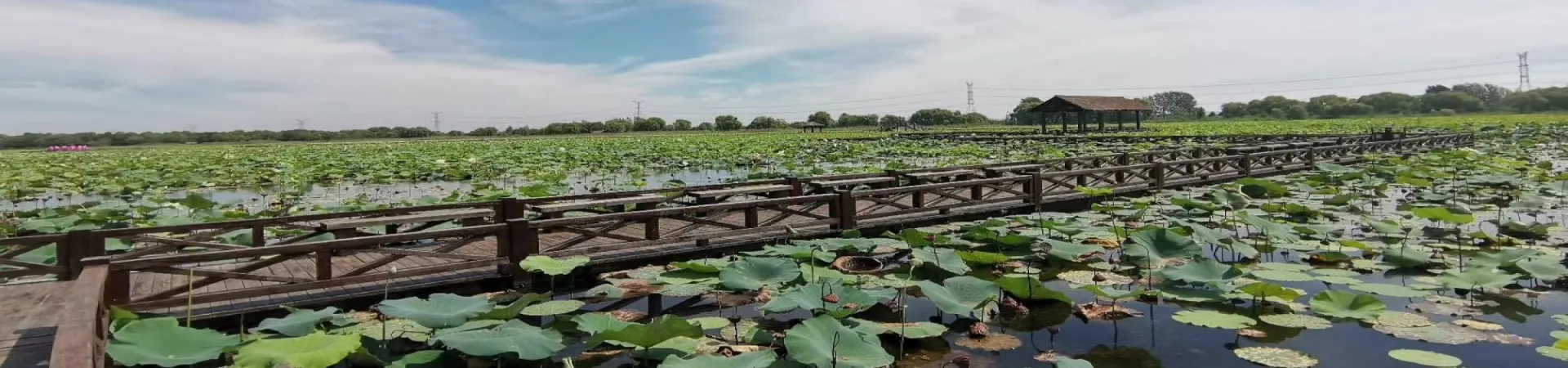
1. The Ecological and Scenic Heart: A Wetland of Life and Color 1.1. A Tapestry of Water and Greenery Jiaogang Lake's landscape is a dynamic masterpiece that changes with the seasons. Its vast aquatic canvas is dominated by two iconic features: the endless lotus ponds and the majestic reed marshes. In summer, the lake transforms into a scene from classical poetry, with thousands of hectares of lotus flowers blooming in shades of pink and white, their broad green leaves carpeting the water's surface. Come autumn, the reeds take center stage, turning a golden hue and swaying gracefully in the wind, creating a rustling, photogenic sea that stretches to the horizon. This cyclical spectacle is not merely for show; it forms the core of a complex and vital ecosystem.
1.2. A Biodiverse Sanctuary The lake's rich vegetation provides an ideal habitat for a wide array of wildlife. It is a crucial stopover and nesting ground for numerous migratory bird species, including egrets, herons, and various ducks. Birdwatchers can spend hours observing these elegant creatures in their natural environment. Beneath the surface, the lake teems with fish, contributing to both the ecological balance and the local economy. This biodiversity is actively protected, making the lake a living classroom for ecological education and a testament to successful wetland conservation efforts in Anhui.
2. Cultural Immersion and Historical Layers 2.1. Echoes of the Chu Culture The lands surrounding Jiaogang Lake are steeped in the ancient traditions of the Chu culture, one of the seminal states of the Spring and Autumn and Warring States periods. This cultural influence permeates the area, visible in local architectural touches, artistic expressions, and folklore. The lake itself is intertwined with legends and historical anecdotes that stretch back centuries, allowing visitors to feel a connection to China's long and storied past while enjoying the natural scenery.
2.2. The Legacy of the Xiaoyaojin Battle Adding a layer of historical significance is the lake's proximity to the site of the legendary Battle of Xiaoyaojin, a pivotal conflict during the Three Kingdoms era involving the warlord Cao Cao. While the exact historical geography is debated, the region firmly associates itself with this tale of strategy and valor. This connection offers a fascinating juxtaposition—the same waters that today reflect peace and beauty once lay near landscapes that witnessed ancient military intrigue and the ambitions of legendary figures.
3. Experiential Activities and Gastronomic Journey 3.1. Navigating the Waterways The best way to experience Jiaogang Lake is from upon its waters. Visitors can board traditional wooden boats or modern electric vessels for guided tours through the labyrinthine waterways. Drifting through tunnels of reeds and past expansive lotus fields provides an unparalleled, peaceful perspective. For the more active traveler, kayaking or paddleboarding offers an intimate way to explore quieter corners of the wetland at one's own pace.
3.2. The "Flavor of the Lake" Culinary Adventure A trip to Jiaogang Lake is incomplete without indulging in its famous aquatic cuisine. The lake's pristine waters yield fresh and delicious ingredients that form the basis of a distinctive culinary style. * The Lotus Feast: Nearly every part of the lotus plant is utilized. Dishes feature crisp lotus root stir-fries, tender lotus seeds in soups, and even lotus leaf-wrapped steamed dishes that impart a subtle fragrance. * Freshwater Delicacies: Fish from the lake, such as mandarin fish and carp, are prepared in various ways—steamed, braised, or cooked in hearty soups. Duck and poultry raised in the wetland environment also offer exceptionally flavorful meat. * Local Specialties: Meals are often accompanied by locally produced salted duck eggs and preserved vegetables, creating a true farm-to-table (or rather, lake-to-table) dining experience that is both simple and profoundly satisfying.
4. Practical Information for Visitors 4.1. Operating Hours and Best Time to Visit The park is open daily from 08:00 to 17:00, with last admission at 17:00. It is advisable to arrive earlier in the day to fully enjoy the activities without rush. The ideal visiting period spans from late June to September when the lotus flowers are in full, spectacular bloom. Autumn (October-November) is equally captivating for the golden reed seas and pleasant weather.
4.2. Attractions and Itinerary Planning Key sites within the lake area include the Lotus Garden Observation Decks, the Reed Marsh Maze, the Bird-Watching Islands, and cultural plaques explaining the area's history. A well-paced visit typically requires 4 to 6 hours. A recommended itinerary involves a morning boat tour to appreciate the landscape's scale, followed by a lakeside lunch featuring local specialties. The afternoon can be dedicated to exploring specific gardens, visiting cultural exhibits, or simply finding a quiet spot to relax and absorb the serene atmosphere.
4.3. Travel Essentials and Tips Huainan city serves as the primary gateway, with the lake located a short drive away. Public buses and taxis are available from the city center. Visitors should prepare for variable weather; essentials include sun protection (hat, sunscreen) for summer excursions, comfortable walking shoes, insect repellent, and a camera to capture the stunning vistas. Respecting the environment is paramount—disposing of trash properly and avoiding disturbance to wildlife and plants help preserve the lake's beauty for future generations.