Bao'en Zen Temple
A Journey to Bao'en Temple: A Sanctuary of History and Serenity in Huainan
Nestled within the verdant landscapes of Huainan City in Anhui Province, China, the Bao'en Temple (报恩禅寺), or "Temple of Repaying Kindness," stands as a profound testament to Buddhist devotion, architectural resilience, and spiritual tranquility. Far more than a single historical monument, it represents a living continuum of faith, having been meticulously reconstructed to echo the grandeur of its storied past while serving as a peaceful retreat for modern seekers.
I. Historical Legacy: From Imperial Origins to Phoenix-like Rebirth A. Foundations in the Tang Dynasty The temple's origins are deeply rooted in the cultural flourishing of the Tang Dynasty (618-907 AD). Historical records suggest its initial establishment was closely linked to the Li family, the imperial house of the Tang. The name "Bao'en," meaning "to repay kindness," is widely believed to reflect the profound Buddhist virtue of gratitude, possibly commemorating a significant act of benevolence or a vow made by royalty. This imperial connection provided the temple with a prestigious foundation, allowing it to develop into a major center for Buddhist learning and practice in the Huainan region.
**B.  Cycles of Destruction and Reconstruction**
    Like many ancient wooden complexes in China, Bao'en Temple's history is a narrative of resilience against the ravages of time, fire, and warfare. It experienced periods of significant damage, most notably during the upheavals marking the transition between the late Tang and the subsequent Five Dynasties and Ten Kingdoms period. For centuries, the once-majestic halls lay in silent ruins, a forgotten relic cloaked in earth and vegetation. The modern chapter of Bao'en Temple began with its rediscovery and the ambitious archaeological excavation that started in the 1980s. This painstaking work unveiled the temple's original, magnificent scale and priceless cultural relics, paving the way for its faithful reconstruction.
II. Architectural and Spiritual Grandeur A. The Central Axis: A Path of Enlightenment The reconstructed temple complex masterfully follows traditional Chinese Buddhist architecture, organized along a solemn north-south central axis. This axis symbolizes a spiritual journey, guiding visitors progressively inward toward spaces of greater sanctity.
**B.  Halls of Devotion**
    **1.  The Heavenly King Hall (Tianwang Dian)**
        The journey begins at the Heavenly King Hall, guarded by the formidable statues of the Four Heavenly Kings. These deities symbolize the protection of the Buddhist law and the safeguarding of the temple's sacred peace. The benevolent figure of Maitreya Buddha, often positioned at the entrance, welcomes all with an implicit promise of joy and compassion.

    **2.  The Grand Hall (Daxiong Baodian)**
        The architectural and spiritual heart of Bao'en Temple is undoubtedly its Grand Hall. This majestic structure houses the temple's primary objects of veneration. The central altar typically features a magnificent triad of Buddhas, often including Sakyamuni Buddha, representing the present age. The hall's interior is a realm of profound solemnity, where the scent of incense mingles with the soft chanting of sutras, inviting contemplation and reverence.

    **3.  The Sutra Library and Pagoda**
        Other significant structures along the axis may include a Sutra Library (Cangjing Lou), which safeguards sacred Buddhist texts and artifacts, and a towering pagoda. The pagoda, a classic element of Chinese temple architecture, serves as a spiritual landmark, its form representing the axis mundi connecting earth and heaven.
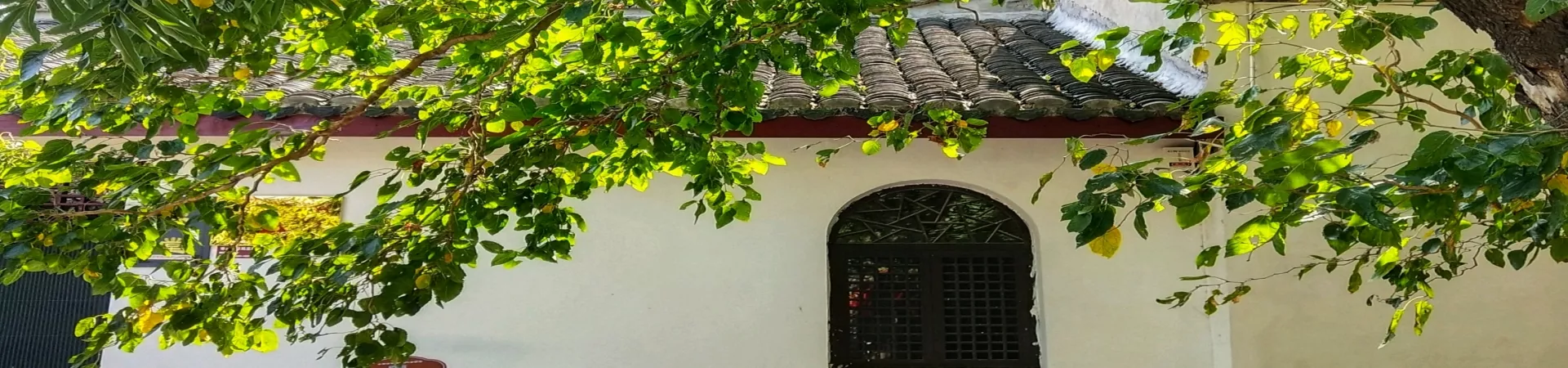
III. The Modern Pilgrimage: A Visitor's Guide A. An Oasis of Tranquility Today, Bao'en Temple offers a stark and welcome contrast to the bustle of contemporary urban life. The temple grounds are designed as a classical Chinese garden, with ancient cypress and ginkgo trees providing shade, tranquil courtyards featuring rockeries and ponds, and winding paths that encourage quiet reflection. The atmosphere is one of pervasive peace, making it an ideal place for meditation, mindful walking, or simply enjoying a respite from noise.
**B.  Practical Information for the Visit**
    **1.  Admission and Opening Hours**
        In a spirit of openness and inclusivity, Bao'en Temple welcomes all visitors free of charge. The temple is open daily from 8:00 AM to 6:00 PM. The last admission is at 6:00 PM, allowing guests ample time to experience the site's evening serenity before closure. This schedule is maintained throughout the year, from January 1st to December 31st.

    **2.  Cultural Etiquette**
        As an active place of worship, visitors are encouraged to observe respectful etiquette. This includes speaking in hushed tones, dressing modestly, and refraining from touching religious artifacts or interrupting ceremonies. Photography may be permitted in outdoor areas but is often restricted inside the main halls; signs or temple staff provide guidance.

    **3.  Location and Contact**
        Situated in Huainan City, the temple is accessible by local transportation. For precise directions or specific inquiries, visitors can contact the temple at **0519-87980201**.
IV. The Enduring Significance of Bao'en The true essence of Bao'en Temple lies in its synthesis of multiple dimensions. It is an archaeological site where history is literally unearthed; an architectural homage to Tang Dynasty aesthetics and religious symbolism; an active monastery where monks maintain daily rituals and spiritual practice; and a public cultural park that nurtures community and personal well-being. It stands not as a static museum piece, but as a vibrant, breathing sanctuary. Each visit offers a chance to walk through layers of time, to appreciate the enduring human aspirations for gratitude (Bao'en) and spiritual understanding, and to find a moment of profound peace amidst the ancient trees and timeless halls.