Zhijiang Surrender Memorial Hall
Subtitle: A Journey to the Zhijiang Surrender Memorial Arch: Commemorating the End of World War II in China
Introduction: A Stone Testament to Peace
Nestled in the small county of Zhijiang, within China's Hunan province, lies a monument of profound historical significance that transcends its modest physical scale. The Zhijiang Surrender Memorial Arch stands not merely as a structure of stone and mortar, but as a powerful, enduring symbol of a pivotal moment in global history—the final acceptance of Japan's surrender in the China Theater of World War II. This event marked the definitive end to the devastating eight-year War of Resistance Against Japanese Aggression for the Chinese people. A visit to this site is more than a tourist excursion; it is a pilgrimage into a chapter of history that shaped modern China and the post-war world order, offering a solemn space for reflection on the costs of war and the precious value of peace.
1. Historical Context: The Road to Zhijiang
To fully appreciate the arch's significance, one must understand the historical context of August 1945. Following the atomic bombings of Hiroshima and Nagasaki and the Soviet Union's declaration of war on Japan, Emperor Hirohito announced Japan's surrender on August 15. While the formal instrument of surrender was signed aboard the USS Missouri in Tokyo Bay on September 2, the process for disarming Japanese forces across different theaters required local surrender ceremonies.
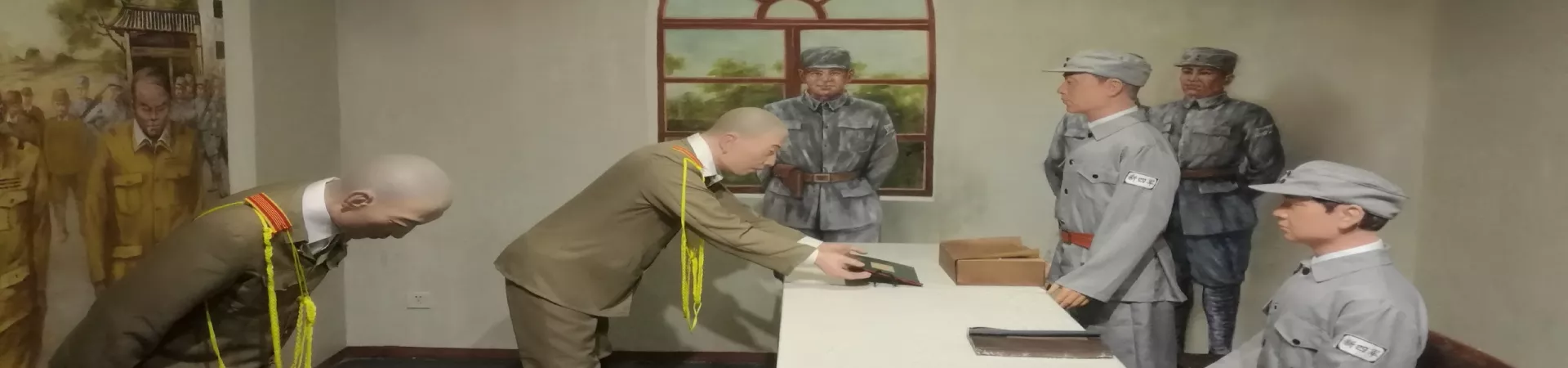
For the China Theater, this critical task was designated to take place in Zhijiang. The location was chosen due to its strategic importance as a major Allied air force base during the war, famously associated with the "Flying Tigers" and the China National Aviation Corporation. On August 21, 1945, a Japanese delegation led by General Imai Takeo arrived in Zhijiang. Here, in a simple wooden barracks, they submitted documents detailing the deployment of all Japanese troops in China to General He Yingqin, Commander-in-Chief of the Chinese Army. This meeting constituted the actual negotiation and arrangement for the surrender, making Zhijiang the site where the war effectively ended on Chinese soil. The formal surrender ceremony for the China Theater was later held in Nanjing on September 9.
2. The Memorial Arch: Architecture and Symbolism
The centerpiece of the memorial complex is the Surrender Memorial Arch itself. Originally constructed in 1946 to immortalize this victory, the arch was destroyed during the Cultural Revolution and meticulously reconstructed in its original form in 1985. Its design is deeply symbolic, drawing from traditional Chinese architectural forms used for commemorating great achievements.
The arch is a four-pillar, three-gate "pailou" style structure, soaring over 10 meters high. The central inscription, "The Site Where the Japanese Surrendered in the War of Resistance Against Japan" (抗戰勝利受降紀念坊), is carved in bold, authoritative characters. Each pillar is topped with a stone carving resembling a flaming pearl, a traditional motif symbolizing victory, wisdom, and sacred light. The entire structure, in its stark, dignified whiteness, projects an aura of solemnity and triumph. It serves as a permanent stone testament, ensuring that the memory of this hard-won peace is not eroded by time.
3. The Memorial Complex: A Comprehensive Historical Experience
Surrounding the arch is a comprehensive memorial complex that deepens the visitor's understanding. The key sites include:
3.1 The Surrender Site Exhibition Hall Housed in the reconstructed original wooden barracks where the historic meeting took place, this hall preserves the scene as it was in 1945. Wax figures of Chinese and Japanese officers are arranged around negotiation tables, with historical documents, maps, and photographs displayed on the walls. The atmosphere is intentionally restrained, allowing visitors to stand in the very space where the course of history was changed.
3.2 The Historical Exhibition Hall of the War of Resistance Against Japan This modern museum provides crucial background. Its extensive collection features artifacts, weapons, uniforms, personal letters, and multimedia presentations that chronicle the brutal fourteen-year conflict (counting from the 1931 Mukden Incident). It vividly portrays the immense suffering of the Chinese people and the resilience of the military and civilians alike, contextualizing why the moment in Zhijiang was so deeply significant.
3.3 The Peace Bell Pavilion A more recent addition, this pavilion houses a large bronze "Peace Bell." Visitors are encouraged to ring the bell, its deep, resonant tones serving as an auditory symbol of the universal aspiration for peace and a poignant reminder of the lives lost. This interactive element bridges historical remembrance with a contemporary message of hope.
4. Practical Visitor Information
4.1 Location and Accessibility The Zhijiang Surrender Memorial Arch complex is located in Zhijiang Dong Autonomous County, approximately 30 kilometers west of Huaihua City in Hunan Province. Huaihua is a transportation hub accessible by high-speed rail from major cities like Changsha and Guiyang. From Huaihua, visitors can take a local bus or taxi for the short journey to Zhijiang county town, where the memorial is clearly signposted.
4.2 Admission and Opening Hours Admission to the memorial complex is free of charge. Visitors are required to present a valid identification document (such as a passport or Chinese ID card) at the visitor center to obtain an entry ticket. The complex is open daily from 08:00 to 17:00, year-round.
4.3 Suggested Duration and Tips A thorough visit to the arch, both exhibition halls, and the surrounding grounds typically requires 1 to 3 hours. To enhance the experience, consider the following: * Guided Tours: Audio guides or on-site docents (availability may vary) can provide detailed historical narratives. * Dress and Demeanor: As a site of solemn remembrance, respectful attire and quiet conduct are appropriate. * Combined Visits: The county of Zhijiang itself is home to the Dong ethnic minority. Visitors can combine a historical tour with cultural exploration of nearby Dong villages featuring iconic wind-and-rain bridges and drum towers.
Conclusion: The Enduring Legacy
The Zhijiang Surrender Memorial Arch does not glorify war. Instead, it stands as a monument to its conclusion and a warning of its horrors. It commemorates a specific, triumphant moment for China while also speaking to a broader, universal desire for peace. Walking through the quiet complex, from the imposing white arch to the somber exhibition halls, one is compelled to contemplate the fragility of peace and the collective responsibility to safeguard it. For any visitor seeking to understand a defining moment in China's modern history and the profound national memory that shapes it today, Zhijiang offers an indispensable and moving destination.