Qianyang Ancient City
Subtitle: A Journey Through Time in Hunan's Ancient Water Town
1. Introduction: The Guardian of Time Nestled at the confluence of history and geography, Qianyang Ancient City stands as a remarkably preserved relic of China's Ming and Qing dynasties. Located within the ancient town community of Qiancheng Town, the seat of Hongjiang City Government, it sits at the upper reaches of the Yuan River in Hunan Province. This provincial-level historical and cultural city is uniquely positioned, embraced by water on three sides, a strategic feature that historically cemented its role as a crucial frontier town bridging the cultures of Hunan, Chu, and the Miao ethnic regions. For centuries, it has been celebrated as the "Gateway to Yunnan and Guizhou" and is often hailed as the "First Ancient Town of Western Hunan." Its historical significance is profound; archaeological and historical studies suggest that the settlement predates the famous Dayan Old Town of Lijiang in Yunnan by approximately 1,400 years and is about 900 years older than the popular Fenghuang Ancient Town within the same province. This temporal depth has created a unique cultural tapestry where Han, Chu, and Miao influences have interwoven over millennia, offering visitors not just a glimpse into architectural history but into the vibrant fusion of traditions that defined this borderland.
2. Historical and Cultural Significance 2.1. A Living Chronicle The city's layout and structures serve as a tangible history book. Unlike some reconstructed ancient towns, Qianyang offers an authentic atmosphere where history feels palpably close. Its well-preserved state allows one to walk the same flagstone paths and touch the same wooden eaves that witnessed the flow of goods, people, and ideas along ancient trade routes. As a key hub, it facilitated cultural and commercial exchange between the central plains and the southwestern regions, a role encapsulated in its "Gateway" moniker. The architecture itself tells a story of convergence, featuring stylistic elements from different eras and influences, making it a vital site for understanding the historical dynamics of regional integration in China.
2.2. Layers of Cultural Fusion The town's identity is a composite. The dominant Han culture, with its Confucian influences and administrative legacy, is evident in former government offices, examination halls, and scholar's residences. This coexists with the distinct artistic and spiritual motifs of the Chu culture, remnants of the ancient state that once held sway in the area. Furthermore, the proximity to Miao territories infused the local customs, festivals, and daily life with unique ethnic characteristics. This blend is not merely historical but can be sensed in the local cuisine, craft traditions, and the subtle architectural details that discerning visitors can discover throughout their exploration.
3. Practical Visitor Information 3.1. Location and Access Qianyang Ancient City is administratively part of Hongjiang City, located in Qiancheng Town. The most convenient access for visitors is via public transportation from Hongjiang city proper. * By Bus: Visitors can take Hongjiang Bus Route 1 or Route 2 and alight at the "Qianyang Gucheng" (Qianyang Ancient City) stop. The ancient town is within easy walking distance from the bus station.
3.2. Admission and Opening Hours One of the most appealing aspects for visitors is its accessibility. * Admission Fee: Entry to the ancient town is currently free of charge. However, it is always advisable for travelers to verify this information with official sources prior to their visit, as policies may be subject to change. * Opening Hours: The general opening hours are from 8:30 AM to 5:30 PM daily. The last admission is typically at 4:30 PM. These hours apply throughout the year, but checking for any seasonal adjustments or special holiday schedules is recommended.
3.3. Suggested Duration and Contact To fully appreciate the maze-like alleys, historic buildings, courtyards, and riverside views without rushing, a visit of three hours or more is highly recommended. This allows time for leisurely exploration, photography, and perhaps enjoying a local meal or tea. For direct inquiries, the relevant management office can be contacted at 0745-7229899.
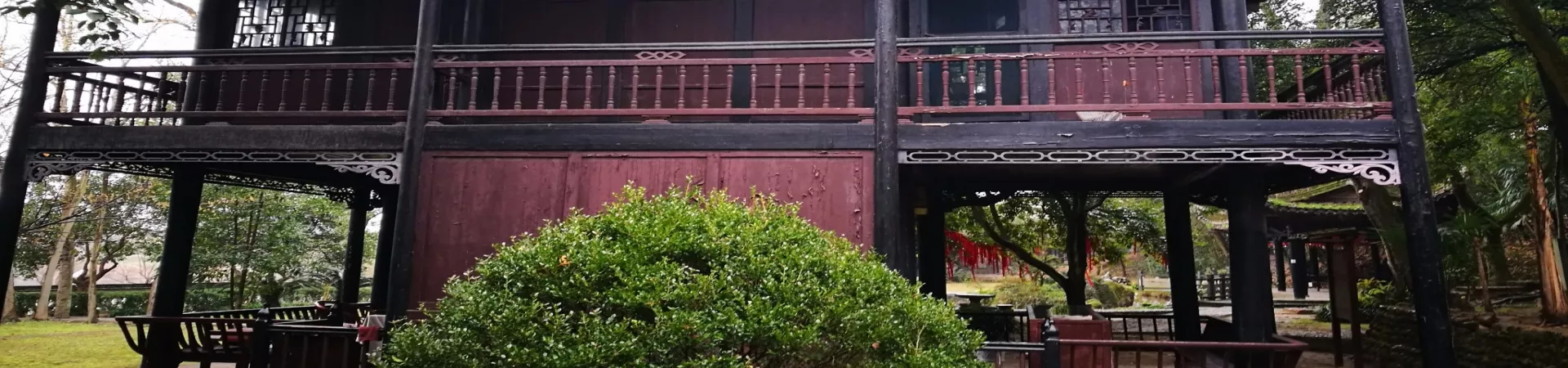
4. Experiencing the Ancient Town 4.1. Architectural and Spatial Harmony The town's plan is a masterpiece of adaptation to the natural environment. The winding streets and alleys follow the contours of the land and water, creating a sense of organic growth rather than rigid planning. Key architectural features to observe include: * City Walls and Gates: Remnants of the old defensive structures hint at its military importance. * Courtyard Houses (Siyuan): These residential complexes, with their central courtyards, wooden carvings, and grey-tiled roofs, represent the pinnacle of local residential architecture. * Temples and Pavilions: Scattered throughout are old temples dedicated to various deities and elegant pavilions offering resting points and scenic views, particularly of the surrounding rivers.
4.2. The Ambiance of Daily Life Perhaps the most captivating feature of Qianyang is that it remains a living community. While preserving its historical shell, it is not a mere museum. Residents go about their daily lives, children play in the squares, and local shops sell everyday goods alongside souvenirs. This creates an authentic and serene atmosphere, markedly different from more commercialized ancient towns. The sound of water, the chatter of locals, and the absence of overwhelming crowds allow for a truly immersive step back in time.
4.3. The Riverine Setting The embrace of the Yuan River is central to the town's character. A stroll along the riverside provides beautiful perspectives of the ancient town's silhouette. The waterway, once bustling with merchant boats, now adds a layer of tranquil beauty and explains the strategic and economic logic behind the town's founding and prosperity. It is the perfect place to conclude a visit, reflecting on the centuries of history that have passed by its banks.