Longxing Lecture Temple
Subtitle: A Journey Through Time at China's Oldest Scholarly Sanctuary
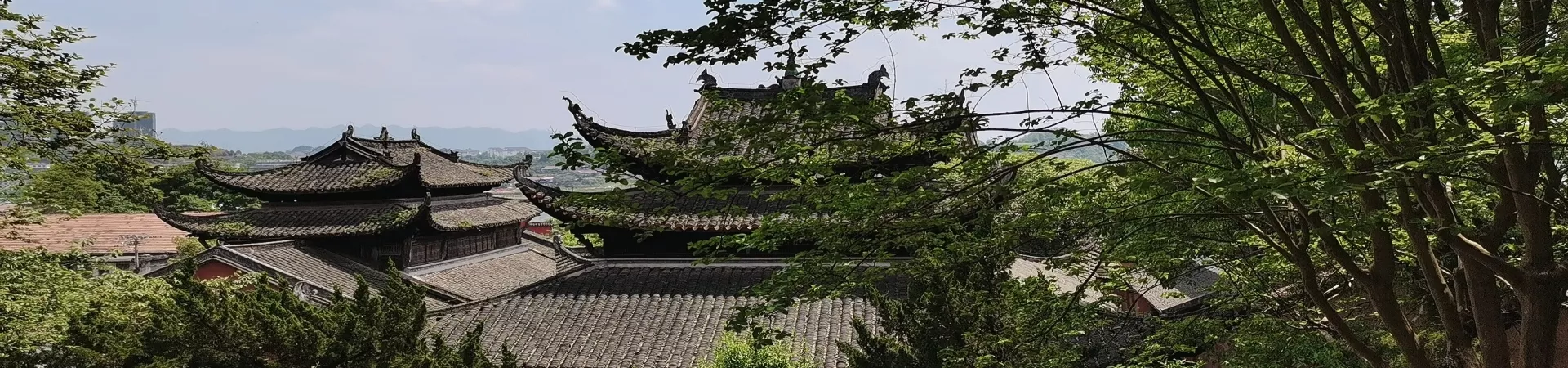
1. Introduction: The Cradle of Ancient Learning Nestled against the lush slopes of Huxi Mountain on the northwestern fringes of Yuanling County, in the heart of Huaihua City, Hunan Province, stands a monument not just of architecture, but of intellectual history. This is the Longxing Lecture Temple (龙兴讲寺), a serene complex that holds the distinguished title of the world's oldest extant academy. More than a place of worship, it served as a vibrant center for Buddhist doctrine dissemination, scholarly debate, and spiritual cultivation for centuries. Its location, chosen for its natural tranquility and defensive vantage point, sets the stage for a visit that is as much about absorbing profound historical atmosphere as it is about admiring artistic mastery. The temple transcends its physical form to represent a living chronicle of Chinese philosophical and religious thought, preserved in wood, stone, and the very air of its courtyards.
2. Architectural and Artistic Grandeur: A Symphony in Wood and Stone The Longxing Lecture Temple is not a single building but a harmonious grouping of structures that exemplify traditional Chinese temple architecture, with a particular emphasis on the Ming and Qing dynastic styles. The complex's layout follows a central axis, guiding visitors through a progressively sacred space, from the imposing mountain gate to the inner sanctums.
2.1. The Heart of the Complex: The Mahavira Hall The absolute centerpiece of the temple is the Mahavira Hall (Daxiong Baodian, 大雄宝殿). This main hall is the architectural and spiritual anchor of the entire site. While its robust wooden pillars, intricate beam bracketing (dougong), and sweeping roof exemplify classic design, it houses an artifact of unparalleled artistry.
2.2. The Masterpiece: The Lotus Lecture Throne Within the hall, the focus irresistibly draws to a single, breathtaking object: the openwork stone-carved Lotus Lecture Throne. This exquisitely crafted platform, believed to be a rare relic from the Ming Dynasty, is a testament to the zenith of Chinese stone carving. The lotus, a sacred Buddhist symbol of purity rising from mud, is rendered here with astonishing delicacy. The stone is pierced and shaped into intricate, lace-like patterns, creating a throne that seems both weighty and ethereal. It is upon this very seat that eminent monks would have delivered sermons, their words resonating from a piece now considered a nationally rare treasure. The survival of this intricate stonework through centuries makes it a focal point for art historians and visitors alike.
2.3. A Tapestry of Decorative Arts Beyond the throne, the temple complex is a repository of diverse decorative arts. From the faded yet elegant murals that hint at past splendor and the finely carved wooden friezes depicting mythological scenes, to the symbolic motifs on roof tiles and stone balustrades, every element contributes to a rich visual narrative. The "extremely丰富多彩" (rich and colorful) decoration mentioned in historical notes refers to this holistic artistic environment where architecture, sculpture, and iconography merge to create an immersive spiritual ambiance.
3. Practical Information for the Visit To fully appreciate the tranquility and history of Longxing Lecture Temple, a well-planned visit is essential. Here are the key logistical details to facilitate your journey.
3.1. Location and Transportation The temple is situated at the northwest corner of Yuanling County, Huaihua City. For travelers, Huaihua serves as the primary transport hub. * By Air: The nearest major airport is Huaihua Zhijiang Airport, with connections to several Chinese cities. From the airport, a pre-arranged car or taxi is the most convenient way to reach Yuanling County (approximately a 1.5 to 2-hour drive). * By Train: Huaihua Railway Station is a significant node on regional high-speed and conventional rail networks. Upon arrival at Huaihua Station, visitors can take a long-distance bus or a taxi to Yuanling County. * Local Access: Within Yuanling County, the temple on Huxi Mountain is accessible via local taxi or a short ride-sharing trip. The setting is slightly removed from the main town center, offering a peaceful escape.
3.2. Admission and Opening Hours * Admission Fee: The entrance ticket is priced at 40 RMB per person. This fee contributes to the ongoing preservation and maintenance of this ancient site. * Operating Schedule: The temple is open to the public from 8:30 AM to 5:00 PM, Monday through Sunday, throughout the year (January 1st to December 31st). It is advisable to allocate at least 1.5 to 2.5 hours for a thorough exploration of the grounds and buildings.
4. The Immersive Experience: Beyond Sightseeing A visit to Longxing Lecture Temple is an invitation to slow down and engage multiple senses. It is a place for quiet contemplation. As you walk through the ancient gates and hear the echo of your steps on old flagstones, you walk in the footsteps of countless scholars and monks. The dappled light filtering through ancient trees, the subtle scent of old timber and incense, and the profound silence broken only by natural sounds complete the experience. It is recommended to visit during weekdays or non-holiday periods to fully appreciate its serene atmosphere. While the architectural and artistic achievements are stunning, the true essence of the temple lies in its enduring role as a sanctuary for learning and spiritual pursuit—a legacy palpable in every courtyard and hall.