Huangdu Dong Village
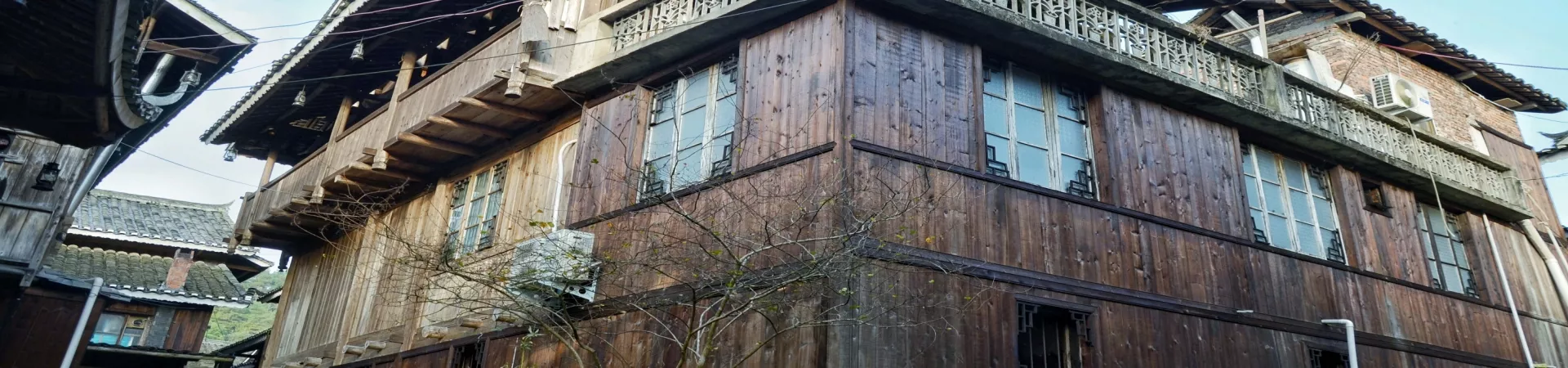
Subtitle: A Living Tapestry of Dong Culture in the Heart of Hunan
Introduction: The Gateway to a Harmonious World
Nestled within the lush, rolling mountains of southwestern Hunan Province, near the city of Huaihua, lies Huangdu Dong Village (皇都侗寨). More than just a scenic destination, it is a vibrant, living community and a profound cultural sanctuary of the Dong ethnic people. Often hailed as one of the most representative and well-preserved Dong villages in China, Huangdu offers visitors an immersive journey into a world where ancient architecture, intricate artistry, and rich social traditions are not relics of the past but the very fabric of daily life. The village’s name, which translates to "Imperial Capital," is steeped in local legend, adding a layer of mythical charm to its undeniable earthly beauty. Here, time seems to follow the gentle rhythm of the rivers and the cycles of rice cultivation, inviting travelers to slow down and experience a unique harmony between humanity and nature.
The Architectural Symphony: Wind and Rain Bridges and Drum Towers
1. The Heartbeat of the Community: The Drum Tower No structure defines a Dong village more than its Drum Tower (鼓楼). In Huangdu, this magnificent wooden edifice stands as the geographic and spiritual center of the community. Built entirely without nails, using only intricate mortise-and-tenon joinery, the tower is a testament to the extraordinary carpentry skills passed down through Dong generations. Its pagoda-style roofs soar skyward, each tier symbolizing a different aspect of the cosmos and social order. Historically, the tower served as the venue for village meetings, celebrations, and judicial matters. Today, it remains a gathering place where elders chat, children play, and important festivals unfold. The resonant beat of the drum housed within once summoned villagers for important announcements, and its symbolic power as the "heartbeat" of Huangdu continues unabated.
2. Masterpieces of Function and Beauty: The Wind and Rain Bridges Spanning the serene waters of the Pingtan River that meanders through the village, Huangdu’s Wind and Rain Bridges (风雨桥) are far more than mere crossings. These covered bridges are exemplary works of public architecture, designed to provide shelter from the elements—hence their name. Adorned with beautifully carved pillars, painted eaves, and resting pavilions, they function as open-air lounges, marketplaces, and social hubs where villagers convene. The most prominent bridge often features a multi-story pavilion at its center, resembling a temple or tower. Sitting on the benches within, listening to the flow of water below and observing daily life, offers a profoundly peaceful perspective on Dong communal living, where practicality and aesthetic grace are seamlessly intertwined.
A Culture Woven in Song, Cloth, and Festivity
1. The Dong Chorus: A Harmony Without Conductor The Dong people are renowned throughout China for their polyphonic choir, known as Dage (侗族大歌). Recognized by UNESCO as an Intangible Cultural Heritage of Humanity, this form of singing is a cornerstone of cultural identity in Huangdu. Performed by choirs, often of young women, the music mimics the sounds of nature—babbling brooks, chirping cicadas, rustling forests—without any instrumental accompaniment or conductor. The complex, interweaving vocal lines create a mesmerizing and hauntingly beautiful soundscape. Visitors may be fortunate enough to witness impromptu performances in the village square or during special welcoming ceremonies, where the power of collective voice expresses joy, tells history, and passes on wisdom.
2. Indigo and Silver: The Art of Adornment Dong material culture is vividly expressed through traditional textiles and silverwork. Women in Huangdu are often seen wearing homespun clothing dyed a deep, luminous blue with locally harvested indigo. The process of planting indigo, fermenting the dye, and hand-dipping the fabric is a months-long, communal effort. The resulting cloth is then transformed into stunning garments, sometimes embellished with intricate embroidery featuring symbolic patterns from nature. Complementing the textiles is the dazzling Dong silver jewelry. Worn during festivals and weddings, these heavy, ornate pieces—including elaborate headdresses, necklaces, and chest plates—are not merely decorations but signify family wealth, social status, and blessings for health and prosperity.
3. Festivals: The Calendar of Community Life The rhythm of the year in Huangdu is marked by a series of vibrant festivals, which are the best times to experience the community’s collective spirit. The most significant include the Dong New Year Festival and the Lusheng Festival. During these events, the village erupts in celebration with performances of the Lusheng (a reed-pipe instrument), traditional dances like the "Duoye" dance, grand communal feasts known as "Dong百家宴" where hundreds share long tables of local delicacies, and of course, the majestic polyphonic choirs. These festivals are not staged for tourists; they are authentic expressions of cultural continuity, and participating (as a respectful observer) offers an unforgettable glimpse into the soul of the Dong people.
The Living Landscape: Terraces, Cuisine, and Sustainable Travel
1. The Agricultural Canvas: Rice Terraces The mountains surrounding Huangdu are sculpted with elegant ribbons of rice terraces. These are not just agricultural feats but integral components of the landscape’s beauty. Changing with the seasons—from water-filled mirrors in spring, to vibrant green in summer, golden hues in autumn, and frost-touched in winter—the terraces offer breathtaking hiking opportunities and panoramic views. They represent the Dong people’s deep understanding of their environment, utilizing sustainable irrigation systems that have nourished the community for centuries.
2. A Taste of the Land: Dong Culinary Traditions Dong cuisine is a flavorful reflection of its mountainous homeland. Meals are hearty, often sour and spicy, utilizing pickled vegetables, local herbs, river fish, and glutinous rice. Signature dishes to seek out include Sour Fish (fish fermented with rice and spices), Oil Tea (a savory, tea-based soup with puffed rice and toppings), and various preparations of sticky rice. Sharing a meal, especially the communal "Dong百家宴," is considered a profound act of hospitality and friendship.
3. Visiting with Respect As a living cultural site, Huangdu welcomes visitors who approach with mindfulness. Staying in a traditional wooden guesthouse, supporting local artisans by purchasing handmade crafts, and engaging with villagers with a smile and respectful curiosity are encouraged. Learning a few words of greeting in the Dong language or showing interest in their customs can open doors to warmer interactions. It is crucial to remember that the scenic beauty is backdrop to a functioning society; observing photography etiquette, especially during private moments or religious observances, is essential.
Huangdu Dong Village ultimately presents a compelling model of cultural resilience and ecological harmony. It is a place where song builds community, where architecture shelters both body and spirit, and where traditions are not performed but lived. For the traveler, it offers a rare opportunity to step into a different pace and perspective, to be enveloped by a culture that has maintained its distinctive voice amidst the mountains of Hunan for generations.