Gaoyi Ancient Village
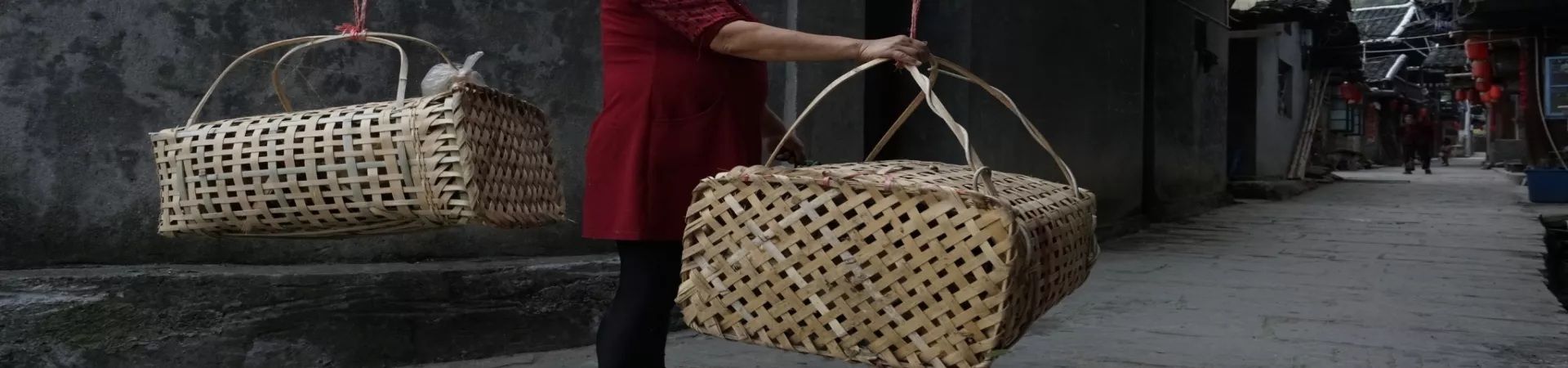
Subtitle: A Journey Through Time in the Miao Dong Region
Nestled amidst the rolling hills and lush landscapes of western Hunan Province, approximately 48 kilometers northeast of Huitong County, lies the enchanting Gao Yi Ancient Village. More than just a collection of old houses, it is a profound portal into China's architectural and cultural past. Recognized as one of the largest and most impeccably preserved ancient residential complexes from the Ming (1368-1644) and Qing (1644-1912) dynasties in the region, it has earned prestigious accolades from historians and architects alike. Often hailed as the "First Village South of the Yangtze" and a veritable "Museum of Folk Culture," Gao Yi offers an unparalleled, immersive journey into history.
1. Historical Significance and Recognition The village's exceptional value is formally enshrined in its protected status. In May 2002, it was designated a Key Cultural Relics Protection Unit of Hunan Province. This recognition was elevated in June 2005 when it was listed among the Sixth Batch of Major National Historical and Cultural Sites, simultaneously solidifying its status as a Provincial Historical and Cultural Village. These titles are a testament to its authenticity and immense importance, not only for tourism but for the preservation of Chinese heritage.
2. Architectural Marvel: A Living Chronicle The true soul of Gao Yi lies in its breathtaking architecture. The village is an extraordinary, dense tapestry of 104 ancient residential buildings. What makes it truly remarkable is the continuity of its timeline: these structures were consecutively built and added between the 13th year of the Ming Hongwu era (1380 AD) and the 7th year of the Qing Guangxu era (1881 AD), spanning an incredible, uninterrupted period of over five centuries.
2.1. Scale and Layout Covering a total built-up area of 19,416 square meters, the village is arranged in a harmonious yet intricate layout that reflects traditional Chinese philosophies of geomancy (Feng Shui) and clan-based living. The buildings, primarily constructed from wood, brick, and local stone, cluster together along narrow, winding lanes and around central courtyards, creating a sense of intimate community and defensive cohesion.
2.2. Design and Craftsmanship Walking through its lanes is like flipping through the pages of an architectural textbook. The structures showcase the evolution of design, craftsmanship, and decorative arts across five hundred years. Intricate wood carvings adorn window lattices, door frames, and eaves, depicting motifs of flora, fauna, and symbols representing good fortune, longevity, and family prosperity. The sweeping, upturned roof corners, the solemn ancestral halls, the elegant covered corridors, and the clever drainage systems all speak volumes about the ingenuity and aesthetic sensibilities of the builders.
3. Cultural Tapestry: The "Museum of Folk Culture" The moniker "Museum of Folk Culture" is deeply apt. Gao Yi is not a deserted relic; it retains the lingering atmosphere of centuries of daily life. The architecture itself tells stories of social structure, family hierarchies, and economic activities. The village primarily belongs to the Yang family clan, and its planning illustrates the traditional Chinese clan system. Key cultural spaces include:
3.1. Ancestral Halls These are the spiritual and administrative hearts of the clan, used for rituals, ceremonies, and community gatherings. They are often the most ornate buildings, emphasizing the importance of ancestry and continuity.
3.2. Residential Dwellings The layout of a typical home, with its central courtyard, main hall, and private living quarters, reveals Confucian principles of order, privacy, and family life. The integration of functional spaces for handicrafts, farming, and livestock points to a self-sufficient agricultural society.
3.3. Local Customs While the physical structures are the highlight, the village is also a repository of intangible heritage. Although modern life has permeated, traces of traditional Miao and Dong ethnic customs, local operas, festivals, and craftsmanship can still be felt and sometimes witnessed, adding another layer to the visitor's experience.
4. Practical Information for Visitors To plan a seamless visit to this historical gem, please note the following practical details.
4.1. Location and Access Gao Yi Ancient Village is situated in Gao Yi Township, about 48 kilometers (approximately a 1.5-hour drive) from Huitong County in Huaihua City, Hunan Province. Visitors typically travel to Huaihua first, then take local transportation or arrange a private vehicle to the village.
4.2. Admission and Hours The village is open to the public daily throughout the year. The operating hours are flexible, effectively allowing for visits at any time during the day. The entrance fee is set at 20 Chinese Yuan (RMB), making it an exceptionally accessible cultural destination.
4.3. Contact Information For specific inquiries or to confirm details before your visit, you may contact the relevant local management office at 0745-8726148.
A visit to Gao Yi Ancient Village is more than a simple sightseeing trip; it is a tactile encounter with history. It invites you to slow down, wander its ancient flagstone paths, touch the weathered wooden pillars, and imagine the echoes of life that have resonated within its walls for generations. It stands as a majestic, silent narrator of China's rich and enduring cultural story.