Eryou Mountain
Subtitle: A Journey to the Mountain of Hidden Wisdom: Exploring Eryou Shan's Natural Beauty and Legendary Past
Introduction: The Mountain of a Thousand Scrolls Nestled approximately 15 kilometers northwest of Yuanling County in Huaihua, Hunan Province, lies the culturally profound and scenically captivating Eryou Mountain (Eryou Shan). It resides within the Wusu Village of the Eryou Miao Ethnic Township, a name derived from the confluence of the You River and You Stream at its base. This geographical marriage of waters is just the first hint of the mountain's significance. Its most striking physical characteristic is the undulating ridge line, which resembles the layered pages of ancient, massive books. This unique topography has earned it the evocative nickname "Ten-Thousand Volume Rock" (Wan Juan Yan). Rising to a modest peak of 509.8 meters, Eryou Shan is not defined by sheer height but by the immense cultural weight and serene natural beauty it carries. The mountain's ecosystem is a tapestry of dense forests and sprawling shrub-grasslands, creating a rich habitat that changes with the seasons. The climate here is distinct in each quarter, yet the air consistently carries a sense of profound tranquility and intellectual spirit, an ambiance that has magnetized scholars, poets, and seekers for centuries. At its heart lies a legend that transforms this beautiful landscape into a sanctuary of Chinese civilization itself.
The Legend of Preservation: A Refuge from the Burning of Books The soul of Eryou Mountain is inextricably linked to one of the most pivotal and perilous moments in Chinese intellectual history: the Qin Dynasty's "Burning of Books and Burying of Scholars." According to enduring legend, during this period of cultural suppression under Emperor Qin Shi Huang, a court academician named Fu Sheng undertook a mission of immense courage and risk. To save the foundational texts of pre-Qin philosophy, history, and poetry from destruction, he secretly transported over a thousand bamboo scrolls from the capital, Xianyang. His perilous journey, fraught with danger, culminated here at Eryou Mountain. He found and utilized a deep, secluded cave—now famously known as the Eryou Cave (Eryou Dong)—to hide this priceless treasury of knowledge. This heroic act is celebrated as a critical bridge that allowed the continuum of classical Chinese thought and literature to survive into subsequent dynasties, particularly the Han. The mountain, therefore, is not merely a rock formation but a monument to resilience, a literal library in stone that safeguarded the seeds of culture. This legacy cements its status as a sacred site in China's scholarly tradition, a place where the written word was literally preserved within the earth.
Natural Landscape and Ecological Features Beyond its historical narrative, Eryou Shan offers a richly textured natural environment for visitors to explore.
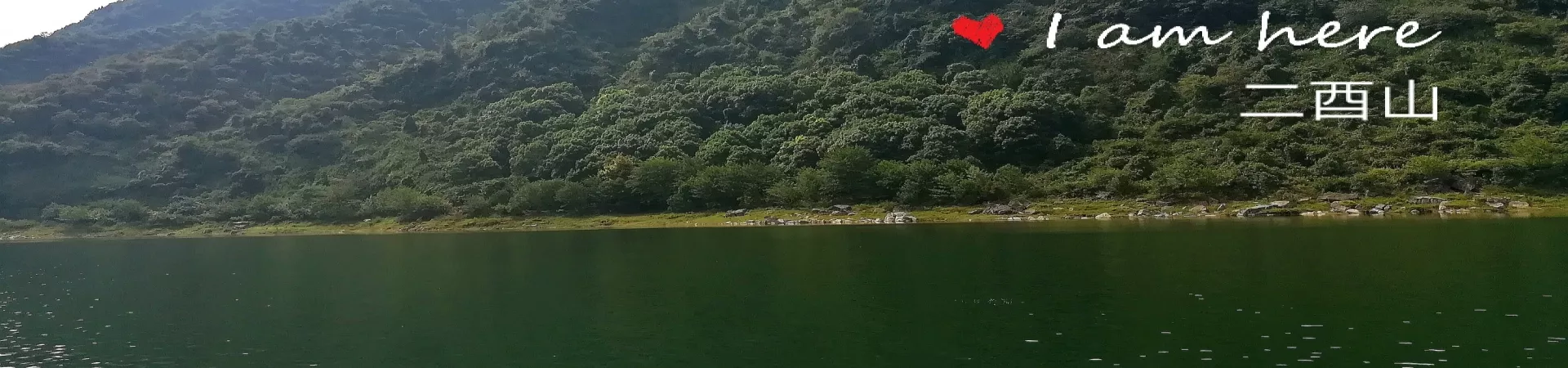
2.1 Topography and Flora The mountain's iconic "book-page" ridges create a dramatic and unique silhouette against the sky. These layered formations invite contemplation and provide varied hiking trails with shifting perspectives. The vegetation is clearly stratified: the higher elevations and slopes are covered with lush, mature forests, offering deep shade and a complex canopy. Lower down and in clearings, expansive areas of shrubs and grasslands open up, often dotted with wildflowers. This combination supports diverse birdlife and insects, making the mountain a subtle haven for nature observation. The plant life changes vividly with the seasons, from the fresh greens of spring to the fiery hues of autumn, ensuring each visit has a distinct character.
2.2 Climate and Ambiance The mountain experiences a clear cycle of four seasons, each imparting its own mood. Spring brings renewal and misty vistas, summer offers dense, cool greenery, autumn dazzles with clear skies and colorful foliage, and winter presents a stark, quiet beauty. Despite these seasonal shifts, a constant atmosphere of serene "spiritual energy" (lingqi) pervades the site. This tranquil ambiance, combined with the oxygen-rich air from the forests, makes it an ideal destination for those seeking respite from urban life and a space for peaceful reflection amidst nature and history.
Cultural Significance and Pilgrimage Eryou Mountain's identity is dual: a natural wonder and a cultural icon.
3.1 A Beacon for Scholars For over two millennia, the story of the hidden library has made Eryou Shan a pilgrimage site for the literati. Scholars, officials, and artists throughout Chinese history have journeyed here to pay homage to Fu Sheng's deed and to draw inspiration from the mountain's aura of perseverance and wisdom. It stands as a powerful symbol of the triumph of knowledge over tyranny, of cultural preservation against the odds. This has imbued every path, stone, and stream with a layer of intellectual reverence.
3.2 The Eryou Cave: The Heart of the Legend The Eryou Cave is the undeniable focal point of any visit. While the original scrolls are long gone, the cave remains a tangible connection to the legend. Visiting it is a walk into the heart of the story—one can imagine the fear, hope, and determination involved in secreting the nation's literary heritage within its walls. The cave itself, set into the mountainside, is a cool, quiet space that encourages quiet reflection on the profound importance of preserving history and culture.
Practical Visitor Information To facilitate a smooth and enriching visit to Eryou Mountain, please note the following details.
4.1 Location and Access Eryou Mountain is located in the Eryou Miao Ethnic Township, Wusu Village, about a 15-kilometer drive from the center of Yuanling County in Huaihua City. The journey offers glimpses of the rural Hunan landscape. Visitors typically arrive by private car, taxi, or local tour bus from Yuanling.
4.2 Admission and Operating Hours The entrance fee for the mountain scenic area is 50 RMB per person. The site is open daily from 8:00 AM to 6:00 PM. Last admission is at 6:00 PM, and it is advisable to arrive with sufficient time to fully explore the area before closing. These hours apply throughout the year, from January 1st to December 31st.
4.3 Contact Information For any inquiries prior to your visit, you can contact the scenic area at 0745-4451213. This could be useful for confirming opening times during public holidays or for inquiring about specific facilities.