China's Dong Nationality Cultural City
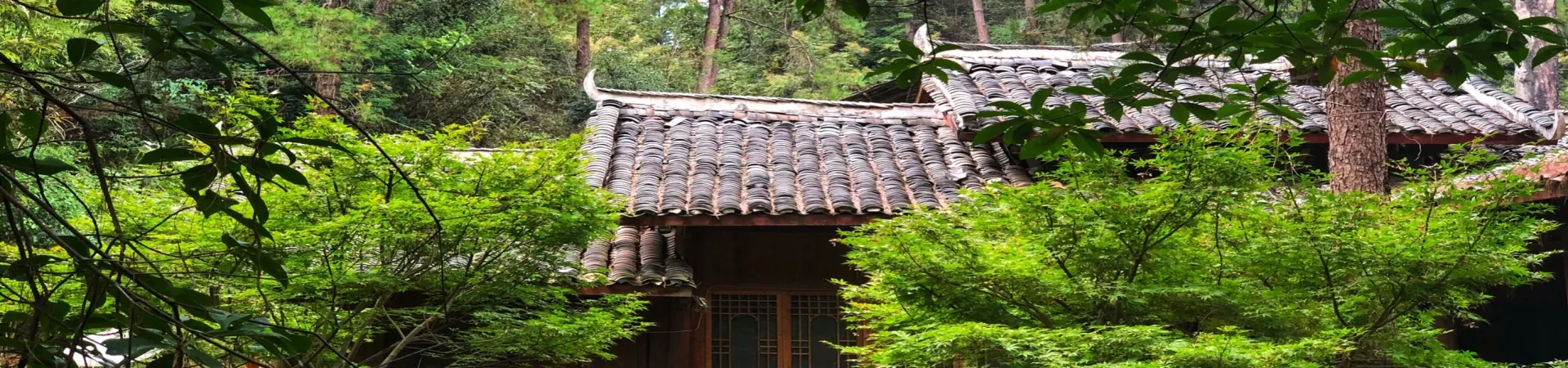
Subtitle: A Living Museum of Dong Heritage: Exploring China's Dong Cultural City in Huaihua
1. Introduction: The Heart of Dong Civilization
Nestled in the picturesque landscape of Huaihua City, in the western part of Hunan Province, lies a remarkable testament to the richness and vitality of one of China's most distinctive ethnic groups: the China Dong Cultural City (中国侗文化城). More than just a tourist attraction, this expansive complex serves as a living, breathing museum dedicated to preserving, showcasing, and celebrating the profound cultural heritage of the Dong people. It stands as a gateway for visitors to immerse themselves in a world of ancient traditions, exquisite architecture, soul-stirring music, and a harmonious way of life deeply connected to nature and community. For the culturally curious traveler, a visit here is not merely a sightseeing trip but a deep dive into the philosophical and artistic soul of the Dong nationality.
2. Architectural Marvels: The Wind and Rain Bridges and Drum Towers
2.1. The Symbolic Wind and Rain Bridge The most iconic structures within the Dong Cultural City are undoubtedly its magnificent Wind and Rain Bridges (Fengyu Qiao). These are not mere river crossings; they are multi-functional community centers, architectural masterpieces, and powerful cultural symbols. Built entirely of wood without the use of nails or rivets, relying on ingenious mortise-and-tenon joinery, these bridges showcase the pinnacle of Dong carpentry. Their sweeping roofs, adorned with intricate carvings and upturned eaves, provide shelter from the elements. Inside, one finds a serene space where locals might gather, socialize, sing folk songs, or simply rest. The most prominent bridge within the cultural city often serves as its visual and spiritual centerpiece, offering stunning views and a tangible connection to Dong engineering wisdom.
2.2. The Community Pulse: The Drum Tower Equally significant is the Drum Tower (Gulou), the political and social heart of any traditional Dong village. The version within the Cultural City faithfully replicates this essential structure. It is typically a tall, pavilion-like tower with a stacked, pagoda-style roof. Historically, it was where village elders held meetings, made important decisions, announced events, and hosted celebrations. Its name derives from the large drum housed inside, used to summon the community. The tower's interior is often open and spacious, centered around a hearth, emphasizing community and equality. The elaborate, tiered exterior, supported by large pillars, symbolizes unity and strength. Each aspect of its construction, from the number of pillars to the carvings on its beams, carries deep cultural meaning.
3. A Symphony of Culture: Music, Crafts, and Festivals
3.1. The Ethereal Sounds of Dong Choirs Perhaps the most enchanting cultural export of the Dong people is their polyphonic choir singing, recognized by UNESCO as an Intangible Cultural Heritage of Humanity. The Dong Cultural City provides the perfect setting to experience this auditory wonder. Performances by skilled Dong choirs, often comprising both men and women, are a regular feature. Their music, known as Dage (Big Song), is a complex and harmonious form of multi-part singing that mimics the sounds of nature—babbling brooks, rustling leaves, and cicadas. Lyrics often revolve around themes of love, labor, and ancestral wisdom. Listening to these performances in the authentic setting of a Drum Tower or on a Wind and Rain Bridge is an unforgettable, deeply moving experience.
3.2. The Art of Handicrafts and Textiles Dong material culture is on full display, offering insights into their aesthetic sensibilities and daily life. Visitors can observe and appreciate: * Indigo Dyeing and Embroidery: Dong women are renowned for their skills in creating dark, durable indigo-dyed fabrics, often embellished with intricate, brightly colored embroidery that depicts geometric patterns, flora, and fauna. * Silverwork: Elaborate silver jewelry, particularly for women during festivals and weddings, is a sign of status and beauty. Craftsmen demonstrate techniques passed down through generations. * Wood Carving and Lusheng Making: The same carpentry skill seen in architecture is applied to detailed wood carvings. The Lusheng, a reed-pipe wind instrument central to many celebrations, is also crafted and played here.
3.3. Vibrant Festivals and Daily Demonstrations The cultural calendar comes alive during traditional Dong festivals, such as the Lusheng Festival or the New Year celebrations, when the city buzzes with special performances, parades, and rituals. Even outside festival times, daily life demonstrations—from weaving and dyeing to rice cake making—provide a continuous, engaging window into Dong traditions.
4. Practical Information for the Visitor
4.1. Location and Accessibility The China Dong Cultural City is situated in Huaihua, a major transportation hub in western Hunan. Huaihua is accessible via high-speed rail from cities like Changsha, Guilin, and Chongqing. The city also has an airport with connections to several domestic destinations. From downtown Huaihua, the cultural city is a short taxi or bus ride away, making it a convenient and essential stop on any cultural tour of the region.
4.2. Opening Hours and Best Time to Visit The site is designed to be accessible for visitors to explore its outdoor architectural wonders and general layout at their leisure. The general opening hours for the park grounds are from 8:00 AM to 6:00 PM daily. However, it is crucial to note that specific indoor exhibition halls, museum spaces, craft workshops, and scheduled performance venues within the complex may have their own, more limited operating hours. For instance, cultural shows or guided demonstrations often occur at fixed times during the day (e.g., 10:30 AM and 3:00 PM). Therefore, while the scenic area itself is open, the full cultural experience depends on the schedule of its individual components. It is highly advisable to check the latest official schedule upon arrival or in advance for performance times and specific hall openings to plan your visit effectively.
The best times to visit are during the spring (April-May) and autumn (September-October) for pleasant weather. Visiting during a major Dong festival offers the most vibrant and dynamic experience, though it will also be more crowded.
4.3. Immersive Experiences To truly connect, visitors are encouraged to go beyond passive observation. Participate in a hands-on craft workshop, try on traditional Dong attire for a photograph, learn a few steps of a Dong dance, or even share a meal of Dong specialties like sour fish, sticky rice, or oil tea. Many of these interactive experiences are facilitated within the cultural city, allowing for a personal and memorable connection to this enduring culture.