Chennault and Flying Tigers Memorial Hall
Subtitle: Commemorating the Daring Aviators of the Sino-American Cooperative Effort in World War II
1. Introduction and Historical Significance
Nestled approximately two kilometers east of Zhijiang County and adjacent to the historic Zhijiang Airport, the Flying Tigers Memorial Hall stands as a profound tribute to one of the most remarkable chapters of international camaraderie during World War II. Established in May 2005, this memorial complex is dedicated to preserving the legacy of the American Volunteer Group (AVG) and its successor units, collectively and famously known as the Flying Tigers. Under the leadership of the formidable American General Claire Lee Chennault, these volunteer pilots and ground crew played a pivotal and devastating role against Japanese air and ground forces in the China-Burma-India theater. Their extraordinary courage, innovative tactics, and sheer determination provided a critical shield for China during some of the darkest days of the Second Sino-Japanese War, contributing immeasurably to the ultimate Allied victory in the region. The museum's location is itself historically significant, as Zhijiang was a key airbase for these operations and the site where the final surrender instrument for Japanese forces in China was signed in 1945. In recognition of its immense historical value, the memorial was rightfully included in the National Red Tourism Classic Scenic Spots List in December 2016, cementing its status as a must-visit destination for understanding wartime history and Sino-American cooperation.
2. Site Composition and Architectural Heritage
The memorial is not a single building but a thoughtfully curated complex consisting of three distinct structures, each offering a unique perspective on the Flying Tigers' story.
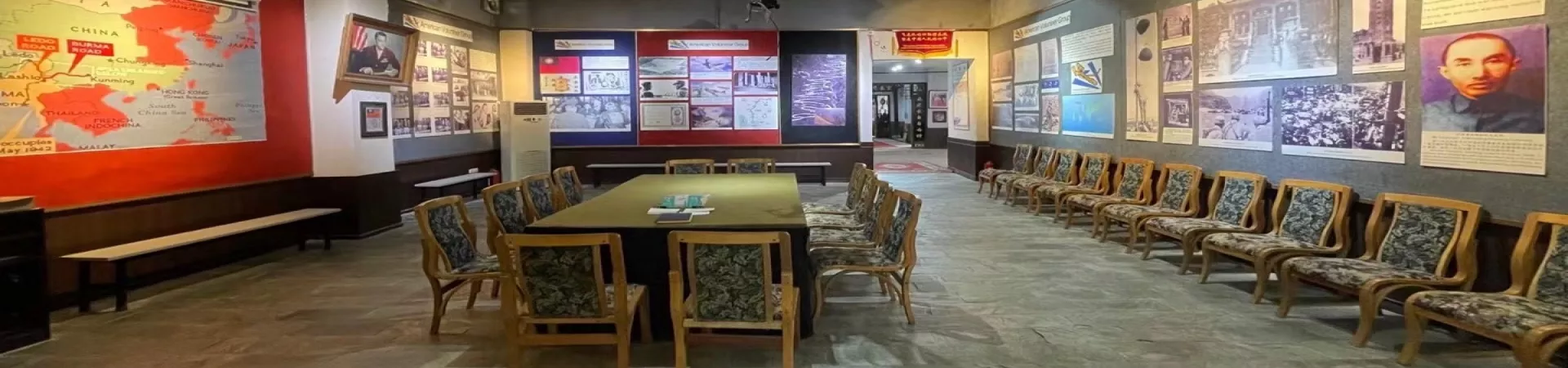
2.1. The Main Memorial Hall This modern building serves as the heart of the complex, housing the primary collection of exhibits. Its galleries are meticulously designed to take visitors on a chronological journey, beginning with the dire situation in China before the AVG's arrival. Through a rich array of artifacts, the hall brings history to life. Visitors can expect to see:
- Personal Artifacts: Uniforms, flight gear, diaries, and personal belongings of pilots and crew, offering an intimate glimpse into their daily lives and challenges.
- Aircraft Models and Components: Detailed scale models of the iconic Curtiss P-40 Warhawk, adorned with the famous shark-tooth nose art, alongside actual aircraft parts recovered from crash sites.
- Historical Documents and Photographs: An extensive archive of photographs, letters, operational maps, and official documents that detail strategic planning, combat missions, and the personal bonds formed between American personnel and the Chinese people.
- Interactive and Multimedia Displays: Modern exhibits include film footage from the era, interactive stations, and audio recordings of veteran interviews, creating a multi-sensory educational experience.
2.2. The Original Air Force Combat Command Tower This preserved structure is a tangible piece of living history. Standing as it did during the war, the command tower offers an authentic window into the nerve center of flight operations. Visitors can explore the rooms where controllers monitored friendly and enemy aircraft, coordinated complex missions, and directed pilots in and out of the hazardous skies. The atmosphere within this building powerfully evokes the tension, urgency, and precision required for aerial warfare in the 1940s.
2.3. The Sino-American Air Force Wing Club旧址 This building served as a crucial social and recreational hub for the American aviators and their Chinese counterparts. More than just an officers' club, it was a vital space for camaraderie, relaxation, and cultural exchange amidst the stresses of war. Restored to reflect its wartime appearance, it helps visitors understand the human side of the conflict—the friendships forged, the moments of respite, and the shared experiences that transcended language and cultural barriers.
3. Practical Visitor Information
3.1. Location and Transportation The memorial is located east of Zhijiang Airport, about 2 km from Zhijiang county center. * From Huaihua: Take a long-distance bus from Huaihua West Bus Station to Zhijiang County. From the Zhijiang bus station, a short taxi ride will take you directly to the memorial site. * From Major Cities (e.g., Changsha): You can fly directly into Zhijiang Airport (Zhijiang Jingzhou Airport). Upon arrival, the memorial is conveniently accessible by taxi.
3.2. Admission and Opening Hours * Ticket Fee: The admission price is 32 RMB per person. * Operating Schedule: The complex is open daily from 9:00 AM to 5:00 PM. The last admission is at 4:00 PM. These hours are consistent throughout the year, from January 1st to December 31st.
3.3. Suggested Duration of Visit To fully appreciate the extensive exhibits across the three buildings, read the detailed descriptions, and absorb the historical significance of the site, it is recommended that visitors allocate approximately 1 to 3 hours for their tour.
4. The Enduring Legacy and Educational Value
A visit to the Flying Tigers Memorial Hall transcends a simple historical tour; it is an immersive lesson in courage, innovation, and international partnership. The museum does not merely display relics but narrates a story of how a group of determined individuals, under exceptional leadership, made a tangible difference against overwhelming odds. It highlights Chennault's unorthodox combat strategies, the adaptability of his pilots, and the indispensable support provided by countless Chinese civilians, interpreters, and soldiers who worked alongside them. For visitors from around the world, particularly Americans and Chinese, the site fosters a deep appreciation for this shared history. It serves as a powerful reminder of the positive outcomes achievable through cooperation and mutual respect, making it an emotionally resonant and intellectually stimulating destination for history enthusiasts, veterans, students, and families alike. The preserved buildings and curated collections ensure that the sacrifices and achievements of the Flying Tigers and all who supported them will continue to inspire future generations.