Bamboo Shoot Miao Village
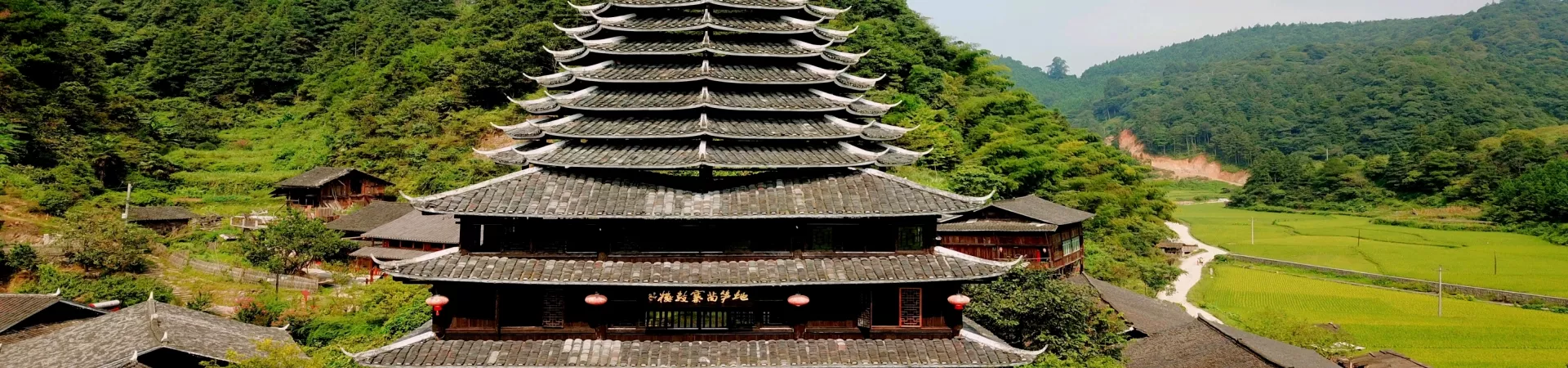
Subtitle: A Journey into the Heart of Miao Culture at Disun Miao Village
1. Introduction: A Hidden Gem in the Hunan Highlands
Nestled deep within the mountainous landscapes of Huaihua, in China's Hunan Province, lies Disun Miao Village, a remote settlement that offers an authentic and profound encounter with the Miao ethnic minority. Far from the bustling urban centers, this village is not merely a destination but a portal into a living cultural heritage. Recognized as one of "Hunan's Ten Most Characteristic Villages," Disun serves as a vital custodian of Miao traditions. It holds particular significance as one of the birthplaces of the "Miao'ge Teng" (Miao Antiphonal Singing), an art form so unique it has been inscribed on China's National List of Intangible Cultural Heritage. A visit here is less about sightseeing and more about immersion—a day spent stepping into a rhythm of life preserved for generations, surrounded by ancient architecture and resonant with age-old songs.
2. The Living Tapestry of Miao Culture and Architecture
2.1. A Landscape of Tradition: Stilted Houses and Stone Pathways The first impression of Disun is one of harmonious integration with nature. The village architecture, primarily consisting of traditional wooden stilt houses (Diaojiaolou), clings to the hillsides in a cascading layout. These structures, built without a single nail using intricate mortise-and-tenon techniques, are masterpieces of adaptation to the steep terrain and humid climate. Wandering through the village, you will follow meandering flagstone paths and "flower streets," passing by ancient wells that have quenched the community's thirst for centuries. Every corner, from the weathered wooden beams to the moss-covered stones, speaks of a质朴 (simplicity) and resilience that defines the Miao spirit. This environment is not a museum exhibit but the genuine backdrop of daily life, where the past is palpably present.
2.2. The Soul of the Village: Intangible Heritage and "Miao'ge Teng" The true soul of Disun, however, is intangible. The village is a vibrant repository of Miao customs, social structures, and artistic expressions. The most extraordinary of these is the "Miao'ge Teng." Unlike ordinary singing, this is a complex, polyphonic form of antiphonal singing where voices intertwine like threads in a tapestry, mimicking the sounds of nature—forests, streams, and birds. It is a communication form used in courtship, celebrations, and storytelling, with lyrics passed down orally through generations. Hearing it performed, often by villagers in traditional attire, is a mesmerizing experience that connects you directly to the Miao worldview and their deep, poetic relationship with their environment.
3. The Immersive Visitor Experience: A Day in Miao Life
A trip to Disun is designed for participation. The most rewarding way to engage is to wholeheartedly join the local customs and activities, which warmly welcome respectful visitors.
3.1. Rituals of Welcome and Culinary Delights Your cultural journey often begins with the spirited "Blocking-the-Door Wine" ceremony. At the village entrance, Miao girls in splendid silver headdresses and embroidered dresses greet guests with songs and cups of homemade rice wine—a test of goodwill and a symbol of hospitality that must be accepted. This leads to shared meals and drinks, perhaps involving the lively "Chěche Cup" toasting custom. You can also savor authentic Miao oil tea, a savory, fragrant brew made from tea leaves, rice, peanuts, and spices, which is a staple of local hospitality.
3.2. Performance, Narrative, and Hands-On Engagement As the day unfolds, you can witness vibrant performances of Miao song and dance. These are not staged shows for tourists alone but expressions of community joy, featuring the Lusheng (a reed-pipe instrument), passionate drumming, and swirling dances. Elders might share beautiful and mythical legends of the Miao people, explaining the origins of festivals and traditions. For a deeper dive, visitors can try on elaborate Miao clothing, attempt basic embroidery stitches, or learn about traditional agricultural tools and methods, gaining a tangible appreciation for the Miao production and lifestyle.
3.3. The Ultimate Immersion: Overnight Stay To complete the experience, spending a night in a family-run stilt-house homestay is highly recommended. As evening falls and the mountain air cools, you can enjoy a home-cooked meal, converse with your hosts, and witness the village quiet under a star-filled sky. Waking up to misty mountains and the sounds of village life offers a serene and unforgettable conclusion to your visit, truly allowing you to be captivated by the magical charm of this deep-mountain enclave.
4. Essential Practical Information for Your Visit
4.1. Getting to Disun Miao Village Reaching Disun requires some planning due to its remote location, but the journey is part of the adventure. * By Public Bus: From Jingzhou County's long-distance bus station, buses depart for the Disun Miao Village intersection at 9:00, 12:00, 14:00, 14:30, and 16:30. Return buses to Jingzhou leave Disun at 7:00, 9:00, 9:30, 12:00, and 15:00. It is crucial to confirm these times on arrival, as schedules can change. * By Private Car/Self-Drive: A newly built cement road now leads to the village, making access by car quite feasible. The recommended route is: From Huaihua, take the Baomao Expressway (G65). Exit at the Gantang/Sunping/G209 exit after the Sunping Qushui Bridge. Merge onto G209, then in Xiangshui Village, turn onto County Road X074. Proceed to Aoshang Town and switch to County Road X076, following signs to Disun Village.
4.2. Admission and Opening Hours * Admission Ticket: Disun Miao Village is free and open to the public. There is no entrance fee, though some specific activities or homestay accommodations may involve separate costs. * Opening Hours: The village is accessible 24 hours a day, every day of the year. However, participatory activities, performances, and public transport operate on their own schedules, with daytime hours (approximately 8:00 AM to 6:00 PM) being the most active for cultural engagement.
4.3. Suggested Duration of Visit A full day is recommended to fully appreciate Disun. This allows ample time to explore the architecture, participate in multiple activities, enjoy a leisurely pace, and ideally, include an overnight stay. A rushed visit would not do justice to the immersive experience the village offers.