Memorial Hall of the Victory of the Anti-Japanese War and the Acceptance of the Japanese Surrender
Subtitle: A Solemn Journey to the Site of Victory: China's WWII Surrender Acceptance Memorial in Huaihua
1. Introduction: The Historical Significance of the Site
Nestled in the quiet town of Zhijiang, within Huaihua City of Hunan Province, lies a site of profound historical importance that resonates far beyond its serene surroundings. The China People's War of Resistance Against Japanese Aggression Victory and Surrender Acceptance Memorial Hall stands not merely as a museum, but as hallowed ground. It marks the very location where, on August 21, 1945, representatives of the Imperial Japanese Army formally surrendered to the Chinese authorities, signifying the victorious end to China's grueling 14-year War of Resistance. This event preceded the more famous surrender ceremony in Tokyo Bay, making Zhijiang the first place where Japan's military capitulation was officially accepted on Chinese soil. The memorial complex, therefore, serves as an indispensable physical testament to the culmination of immense suffering, resilience, and ultimate triumph for the Chinese people during World War II. A visit here is a pilgrimage into a pivotal chapter of modern history, offering a space for reflection on the costs of war and the precious value of peace.
2. Planning Your Visit: Practical Information
2.1. Location and Accessibility The memorial is located in Zhijiang Dong Autonomous County, approximately 30 kilometers west of downtown Huaihua. Visitors can reach Huaihua by high-speed rail or air (via Huaihua Zhijiang Airport) and then take a local bus or taxi to the site. The tranquil setting, away from major metropolitan hubs, adds to the contemplative atmosphere of the visit.
2.2. Admission and Opening Hours In line with its mission as a national patriotic education base, the memorial offers free admission to all visitors, ensuring wide accessibility for education and remembrance.
The opening hours vary slightly by season: * Winter Hours (December 1 - February 28/29): * Tuesday to Sunday: 09:00 - 17:00. Last admission is at 16:30. * Mondays: The memorial is typically closed for maintenance, except on specific national holidays which may be announced separately. * Summer Hours (March 1 - November 30): * Operating hours are generally extended. It is advisable to verify the specific summer timing locally or via official channels before your visit, as they are often from 08:30 to 17:30 with the last admission at 17:00.
3. Exploring the Memorial Complex: A Structured Walkthrough
The site is thoughtfully organized into several key areas, guiding visitors through a narrative from historical context to the solemn moment of surrender and its lasting legacy.
3.1. The Surrender Acceptance Site: The Heart of History The centerpiece of the complex is the meticulously preserved wooden structure where the surrender ceremony took place. This simple yet powerful building houses life-sized wax figures depicting the historic scene, frozen in time. Standing in this room, one can almost feel the weight of the moment—the solemnity of the Chinese representatives and the defeated posture of the Japanese officers. Original documents, photographs, and the very table used during the proceedings are displayed, creating an unparalleled connection to the events of August 1945.
3.2. The Main Exhibition Hall: Context and Sacrifice Adjacent to the original site, the modern exhibition hall provides comprehensive historical background. * 3.2.1. The Path to War and National Resistance: This section details the outbreak of the full-scale invasion in 1937, the strategy of the United Front, and the horrific atrocities committed, such as the Nanjing Massacre. It showcases the determination and unity of the Chinese people from all walks of life in the face of aggression. * 3.2.2. The Global Battlefield and China's Role: Exhibits here position China's struggle within the wider context of World War II, highlighting its role in tying down massive Japanese forces and its connections to the Allied powers. Displays include wartime artifacts, weapons, personal letters from soldiers, and multimedia presentations that vividly portray the scale of the conflict. * 3.2.3. The Road to Victory and the Zhijiang Surrender: The narrative builds towards the final stages of the war, leading directly to the events that transpired in Zhijiang. Detailed maps, strategic documents, and news reports from 1945 illustrate the process that led to this first surrender acceptance.
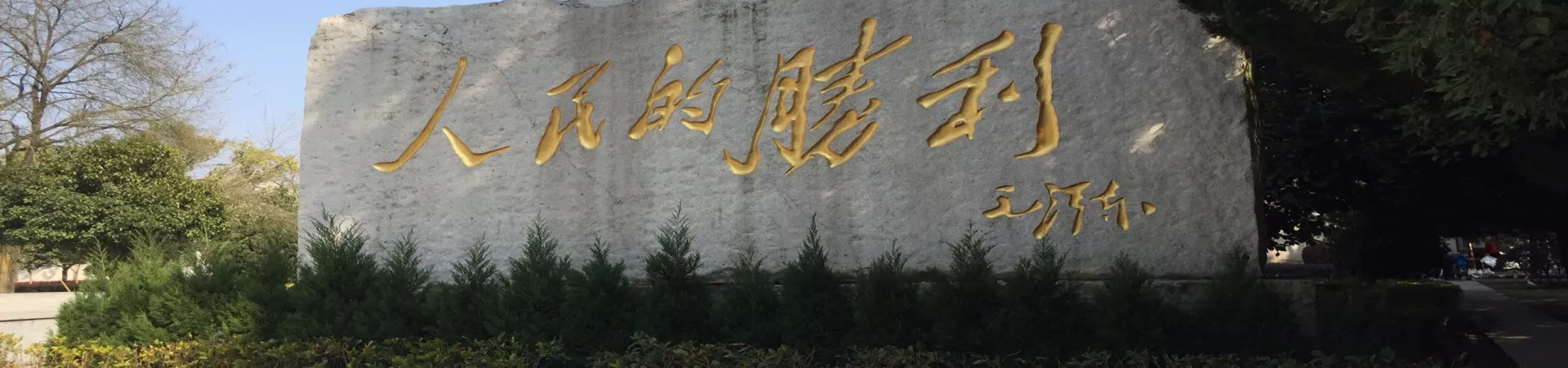
3.3. The Monument Square and Memorial Towers Outside, the expansive Monument Square is dominated by the "Monument to the Victory of the War of Resistance Against Japan," a soaring structure inscribed with commemorative texts. The square, often used for ceremonial gatherings, is flanked by various memorial towers and sculptures dedicated to heroes and victims. This open space encourages quiet contemplation and remembrance of the millions who perished.
4. The Visitor Experience: Reflection and Education
4.1. An Atmosphere of Reverence From the moment one enters the grounds, a hushed and respectful tone is palpable. The design of the complex—from the solemn architecture to the carefully curated landscapes—is intended to foster introspection. Visitors are encouraged to move through the exhibits at a thoughtful pace, absorbing the gravity of the history presented.
4.2. Educational Value and Global Relevance The memorial serves a crucial educational purpose. For Chinese visitors, it is a cornerstone of national historical consciousness. For international visitors, it offers a vital perspective on WWII, one that is often less emphasized in Western historiography. It tells the story of China's immense sacrifice—suffering over 20 million casualties—and its critical contribution to the Allied victory in the Pacific theater. The displays prompt universal reflections on the brutality of war, the resilience of the human spirit, and the fundamental importance of safeguarding peace.
4.3. A Note on Etiquette As a site of deep historical and national significance, visitors are expected to conduct themselves with decorum. Speaking in moderate tones, refraining from inappropriate photography (especially with flash inside exhibition halls), and showing respect at all monuments are essential. The site is more than a tourist attraction; it is a war memorial and a place of mourning and honor.