Huai'anli Canal Cultural Gallery
Subtitle: A Journey Through Time Along the Ancient Waterway
1. Introduction: The Lifeline of a City
Nestled in the heart of Jiangsu province, the city of Huai'an holds a treasure that is both a testament to its glorious past and a vibrant center of contemporary life: the Huai'an Li Canal Cultural Corridor. More than just a scenic waterfront, this extensive corridor is a living museum, chronicling the story of the Grand Canal's pivotal role in shaping the region's destiny. The Grand Canal, a UNESCO World Heritage Site, was the historical artery of China, facilitating the flow of goods, people, and ideas between the north and south for centuries. Huai'an, strategically located at the confluence of the Grand Canal and the Huai River, thrived as a crucial transport and logistics hub. The Li Canal Cultural Corridor meticulously preserves and presents this legacy, inviting visitors on an immersive journey where history, culture, natural beauty, and modern leisure seamlessly intertwine along the tranquil waters of the ancient canal.
2. Exploring the Corridor: A Tapestry of Heritage and Scenery
The corridor stretches along the banks of the canal, offering a diverse array of experiences that can be explored on foot, by bicycle, or most authentically, by boat. The area is thoughtfully developed into distinct yet connected zones, each revealing a different facet of Huai'an's character.
2.1. Historical Relics and Architectural Grandeur Walking the paths, one encounters well-preserved sections of the ancient canal itself, including old sluice gates and stone embankments that whisper tales of a bustling maritime past. The architecture lining the corridor is a harmonious blend of restored Ming and Qing dynasty-style buildings and traditional Jiangsu water-town aesthetics. Whitewashed walls, black-tiled roofs, and wooden facades reflected in the canal's waters create a picturesque scene reminiscent of classical Chinese paintings. Key historical sites and former merchant residences have been repurposed into cultural exhibits, tea houses, and craft shops, allowing the past to serve the present.
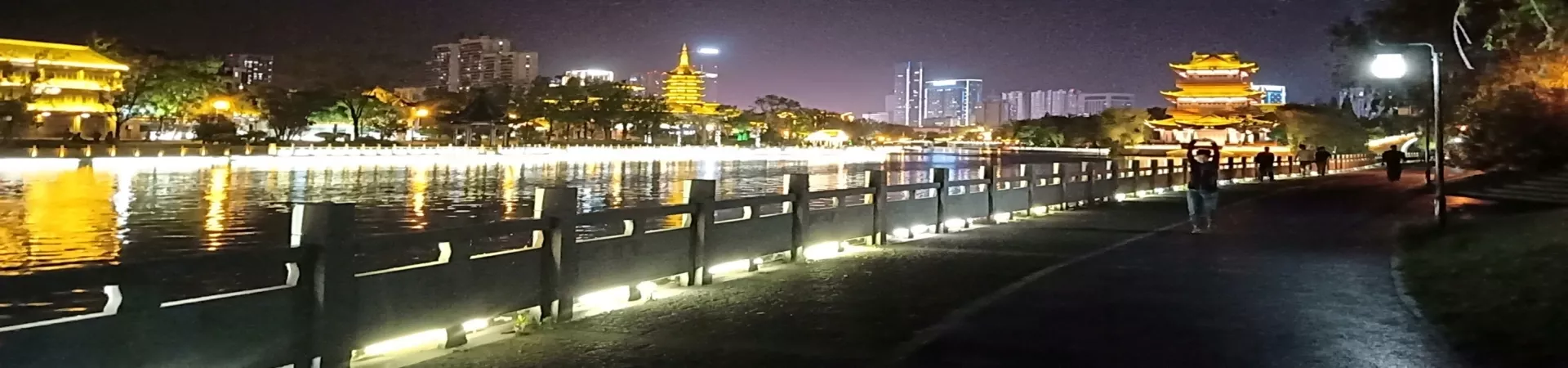
2.2. The Night Cruise: A Must-Experience Spectacle As dusk falls, the corridor undergoes a magical transformation. The night cruise on the Li Canal is universally considered the highlight of any visit. Modern, comfortable boats glide silently along the waterway, which becomes a canvas of light. Both banks are illuminated with thousands of lights, artistically highlighting the classical architecture, ancient bridges, and weeping willows. Elaborate light installations and projections often tell visual stories of the canal's history. The contrast between the dark, starry sky, the shimmering reflections on the water, and the vibrant, colorful lights creates an unforgettable, almost ethereal atmosphere, offering a completely different perspective from the daytime experience.
2.3. Museums and Cultural Immersion Scattered throughout the corridor are several museums and cultural centers dedicated to the Grand Canal's history. These institutions use detailed models, historical artifacts, documents, and interactive multimedia displays to explain the incredible engineering feats involved in the canal's construction and maintenance, as well as its profound socio-economic impact. They bring to life the stories of the laborers, engineers, merchants, and officials whose lives were intertwined with this great waterway. This context enriches the physical exploration, turning a simple stroll into a deep educational experience.
2.4. Greenways and Recreational Spaces Beyond the historical core, the corridor expands into beautifully landscaped parks and greenways. Lush gardens, open lawns, and tree-lined promenades provide a serene escape for both locals and visitors. These areas are perfect for a leisurely picnic, a morning jog, or simply relaxing while watching traditional wooden boats and modern vessels share the water. The integration of ample green space ensures the corridor is not only a cultural destination but also a vital urban lung and a community recreational hub.
3. Practical Information for Visitors
3.1. Admission and Operating Hours A significant advantage for all visitors is that admission to the Huai'an Li Canal Cultural Corridor itself is free. The public walkways, green spaces, and general ambiance of the waterfront are accessible to everyone 24 hours a day, throughout the year. This open-access policy encourages repeated visits to enjoy the area at different times of the day.
3.2. Important Note on Attraction Schedules It is crucial to note that while the main corridor is always open, the operating hours for internal attractions can vary. This includes specific museums, exhibition halls, performance venues, and the boarding points for the famous night cruises. Each small attraction within the broader corridor may have its own opening and closing times, ticket requirements (where applicable), and specific days of operation.
3.3. Planning Your Visit To ensure a smooth and fulfilling experience, especially if you wish to visit particular indoor sites or take a scheduled boat tour, proactive planning is recommended. The most reliable method is to contact the scenic area's management directly for the most current information. You can reach them at the following telephone numbers: 0517-83955355 or 0517-83910209. Inquiring ahead about the schedules for your points of interest will help you optimize your itinerary and avoid disappointment.
4. The Enduring Allure: More Than a Tourist Spot
The Huai'an Li Canal Cultural Corridor ultimately succeeds because it is more than a static monument; it is a dynamic, living space. It is where elderly residents practice tai chi at dawn, where families gather for evening walks under the lanterns, where artists find inspiration, and where history enthusiasts can touch the stones laid centuries ago. It masterfully bridges the gap between preservation and participation, allowing the ancient canal to continue its role as the city's lifeline—now pumping cultural vitality and communal pride instead of grain and silk. A visit here is not merely sightseeing; it is an engagement with the continuous flow of Huai'an's story, an experience that lingers long after one has left its peaceful, historic shores.