Hexia Ancient Town
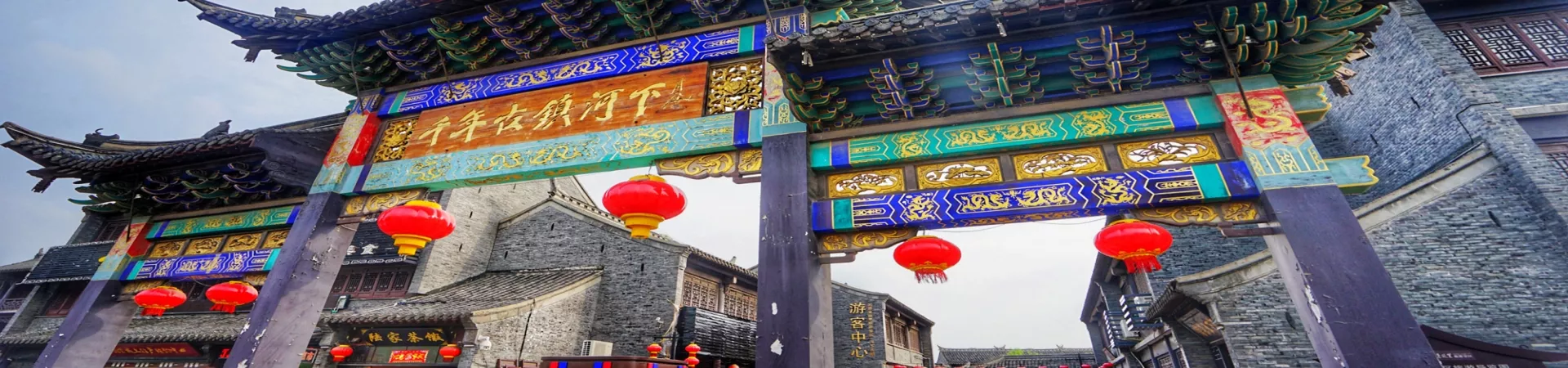
Subtitle: A Journey Through Time in Huai'an's Ancient Water Town
Introduction: Where History Flows Like Water
Nestled in the northwestern corner of Huai'an District, Huai'an City, Jiangsu Province, lies Hexia Ancient Town, a place where time seems to have gently settled along the quiet canals. This isn't merely a scenic spot; it is the very cradle of Huai'an's illustrious history, a core protected area of this famed cultural city. Its strategic location at the ancient Mokou, where the historic Hangou Canal met the Huai River, destined it to be a vital hub of transport, commerce, and intellectual exchange for centuries. Once known as Beichen Town, Hexia today stands as a beautifully preserved testament to China's rich past, offering visitors a serene yet profound escape into a world of scholar legends, heroic tales, and timeless architectural charm.
1. A Legacy Carved in Stone and Scholarship
1.1. The Hallowed "Town of Scholars" To walk the flagstone streets of Hexia is to tread in the footsteps of giants. The town's most astounding heritage is its unparalleled academic achievement. During the Ming and Qing dynasties, this small town produced an astonishing 67 jinshi (the highest-level scholars who passed the imperial examinations), 123 juren (provincial-level scholars), and 12 members of the prestigious Hanlin Academy. This phenomenal concentration of intellectual talent earned Hexia the revered title "Hometown of Jinshi." The air feels imbued with a scholarly spirit, hinting at centuries of diligent study, poetic gatherings, and philosophical debates that once echoed from its now-quiet courtyards.
1.2. Portraits of Prominence: From Heroines to Literary Masters Hexia's legacy is personified by the renowned figures it nurtured. It is the birthplace of Liang Hongyu, a legendary female military general of the Southern Song Dynasty. Celebrated as a national heroine, she broke gender norms to command troops alongside her husband, her story a powerful narrative of courage and patriotism that adds a fierce and inspiring dimension to the town's history.
Perhaps even more universally resonant, Hexia is the hometown of Wu Cheng'en, the illustrious Ming Dynasty novelist credited with authoring "Journey to the West." One can imagine the young Wu, immersed in the town's vibrant tapestry of old temples, folk tales, and bustling canal life, gathering inspiration that would later coalesce into one of the Four Great Classical Novels of Chinese literature. The connection between this tranquil water town and the epic, fantastical adventure of Monkey King is a captivating thread for any visitor to ponder.
2. Experiencing Hexia: A Practical Guide for the Visitor
2.1. Navigating the Lanes and Waterways The essence of Hexia is best absorbed through leisurely exploration. The town's layout, shaped by its canal system, invites wandering. Meander through its narrow, winding lanes (nongtang), cross over ancient stone bridges like the iconic Puji Bridge, and observe the traditional architecture that lines the waterways. Many buildings feature whitewashed walls, black-tiled roofs, and wooden facades, reflecting the classic Jiangnan water town style. Keep an eye out for well-preserved historical residences, old pawnshop signs, and silent courtyards that whisper stories of the past.
2.2. Culinary and Cultural Treasures Hexia is also famous for its local Huaiyang cuisine snacks. As you explore, seek out small, family-run shops offering delicacies such as Hexia Wontons (known for their thin wrapper and rich broth), tea sweets, and Yuchuan salted duck. The town may also host small museums or cultural exhibits detailing its history, the life of Wu Cheng'en, and the traditional industries that once thrived here, such as salt trading.
3. Essential Visitor Information
3.1. Admission and Opening Hours A significant advantage for travelers is that Hexia Ancient Town operates on a free admission policy. The town is open to the public 24 hours a day, every day of the year. This allows for incredible flexibility—visit in the early morning to see the town bathed in soft light and witness the quiet daily routines of local residents, or stroll through in the evening when lanterns might reflect on the dark water, creating a magical atmosphere.
3.2. Suggested Duration To fully appreciate the ambiance, history, and details of Hexia, a visit of 1 to 3 hours is recommended. This provides ample time for a comprehensive walk through the main and back lanes, time for photography, a relaxed snack break, and quiet moments to simply sit by the water and observe.
4. The Timeless Allure of Hexia Hexia Ancient Town is more than a collection of old buildings; it is a living manuscript of Chinese cultural history. It represents the convergence of geographic importance, scholarly pursuit, heroic virtue, and artistic genius. Unlike some commercialized water towns, Hexia retains a sense of authentic, weathered peace. It offers a space for contemplation—to imagine the scholars who left for the imperial exams, the merchants who traded along its wharves, and the novelist who walked these same paths, dreaming of a monkey, a monk, and a journey to the west. For the discerning traveler, it is a profound and essential chapter in the story of Huai'an and the wider tapestry of Jiangnan's heritage.