China Water Transport Museum
Subtitle: Navigating Through Time: A Visitor's Guide to the China Grand Canal Museum in Huai'an
1. Introduction: The Heartbeat of the Grand Canal
Nestled in the historic city of Huai'an, Jiangsu Province, the China Grand Canal Museum (中国漕运博物馆) stands as a monumental tribute to one of humanity's greatest engineering feats: the Beijing-Hangzhou Grand Canal. More than just a repository of artifacts, this modern museum is a dynamic portal into the epic saga of the Canal's construction, its pivotal role in imperial Chinese economy and society, and its enduring legacy. Huai'an, once a critical hub known as Huaiyin where the Canal met the Yellow River, is the perfect location for this institution. The museum offers visitors a profound journey through time, exploring how this artificial waterway shaped the destiny of a nation for over two millennia, fostering cultural exchange, enabling grain transport (caoyun), and connecting the diverse landscapes and peoples of China.
2. Planning Your Visit: Essential Information
2.1. Location and Access The museum is strategically located in Huai'an's Chuzhou District, within the broader Grand Canal cultural precinct. It is easily accessible by public transport, including city buses and taxis. For those driving, the museum provides parking facilities. Its architecture, a blend of contemporary design with traditional elements, makes it a landmark in itself.
2.2. Opening Hours and Best Times to Visit * Regular Opening Hours: The museum is open daily from 8:30 AM to 5:30 PM. * Last Admission: The last entry is permitted at 5:00 PM, allowing visitors a minimum of 30 minutes to explore before closing. It is advisable to allocate at least 2 to 3 hours for a comprehensive visit. * Note: Hours are subject to change, especially during national holidays or for special maintenance. Visitors are encouraged to verify the schedule prior to their visit, particularly if planning a trip on a Monday.
2.3. Ticketing and Admission Fees The museum operates on a ticketed entry system with categories designed for different visitor groups: * General Admission (Adult Ticket): 80 RMB. * Concession Tickets (40 RMB): Available for children (typically between a specified height/age range), senior citizens (usually 60 or 70 years and above, with valid ID), and full-time students (with a valid student ID). * Family Ticket (1 Adult + 1 Child): 120 RMB, offering a discounted rate for family visits. * Additional Service - Audio Guide: For an enhanced, self-paced experience, a mobile electronic audio guide is available for rent at 32 RMB. This service provides detailed commentary in multiple languages on key exhibits.
Information last updated: May 23, 2023. Prices and hours are subject to change; checking the museum's official channels for the latest information is recommended.
3. Exploring the Exhibits: A Journey Along the Waterway
The museum's permanent collection is vast and thoughtfully curated, spread across multiple exhibition halls.
3.1. The Genesis and Engineering Marvel This section delves into the origins and monumental construction efforts of the Grand Canal, initiated as early as the 5th century BC and massively expanded during the Sui and Yuan dynasties. Through detailed models, interactive maps, and archaeological findings, it illustrates the immense geographical challenges overcome—from linking different river basins to constructing locks and managing water levels. It celebrates the ingenuity of ancient Chinese engineers and the labor of millions who made this "river linking the north and south" possible.
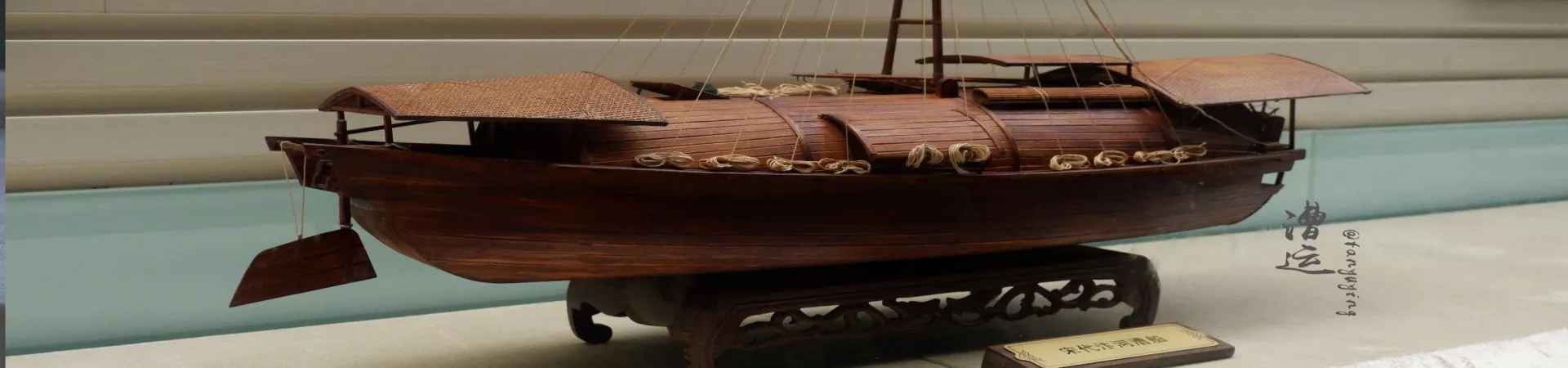
3.2. The Lifeline of Empire: The Cao Yun (Grain Transport) System As the museum's core theme, this exhibit comprehensively unpacks the caoyun system. It showcases how the Canal served as the logistical backbone of imperial China, transporting vast quantities of grain, salt, and other tributes from the fertile south to feed the capitals and armies in the north. Displays include replicas of tribute boats, official documents, seals, and dioramas of bustling canal ports like Huai'an itself, explaining the complex administration and economic mechanisms that sustained the empire for centuries.
3.3. Huai'an: The Strategic Hub A dedicated hall focuses on Huai'an's unique historical position. As a key customs and inspection point, it was where the Canal's traffic was regulated, taxes were collected, and officials were stationed. Exhibits feature local archaeological treasures, historical records, and reconstructions of the city's ancient waterfront, highlighting its prosperity and strategic importance during the Ming and Qing dynasties.
3.4. Cultural Exchange and Daily Life Beyond economics, the Canal was a vibrant corridor for cultural diffusion. This gallery explores how it facilitated the movement of people, ideas, religions, and arts. It displays everyday objects used by merchants, boatmen, and riverside communities, alongside artifacts showing the spread of ceramics, literature, and culinary traditions. The exhibit paints a vivid picture of the lively, diverse society that flourished along the Canal's banks.
3.5. Modern Legacy and Ecological Revival The final sections bridge history with the present. They address the Canal's decline in the railway age and its remarkable 21st-century revival. Exhibits explain its current status as a UNESCO World Heritage Site, its role in contemporary water transfer projects like the South-North Water Diversion, and ongoing ecological restoration efforts. This part underscores the Canal's renewed significance for cultural tourism, regional identity, and sustainable development.
4. Enhancing the Visitor Experience
4.1. Guided Tours and Multimedia In addition to the audio guide, the museum offers scheduled guided tours (availability may vary). Large-scale multimedia installations, including panoramic screens and immersive projections, recreate the sights and sounds of the historic Canal, providing a captivating sensory experience.
4.2. Facilities and Accessibility The museum is equipped with visitor-friendly amenities: clean restrooms, a cloakroom, a gift shop selling books and souvenirs related to the Grand Canal, and a café for refreshments. The facility is generally accessible for visitors with mobility challenges, with elevators and ramps available.
4.3. Nearby Attractions A visit to the museum can be seamlessly combined with exploring other sites in Huai'an's Grand Canal cultural area, such as the ancient Qingjiang Pier, the Zhou Enlai Memorial Hall, or a scenic boat ride on the preserved sections of the Canal itself, allowing the historical narrative to extend beyond the museum walls.