China Huaiyang Cuisine Culture Museum
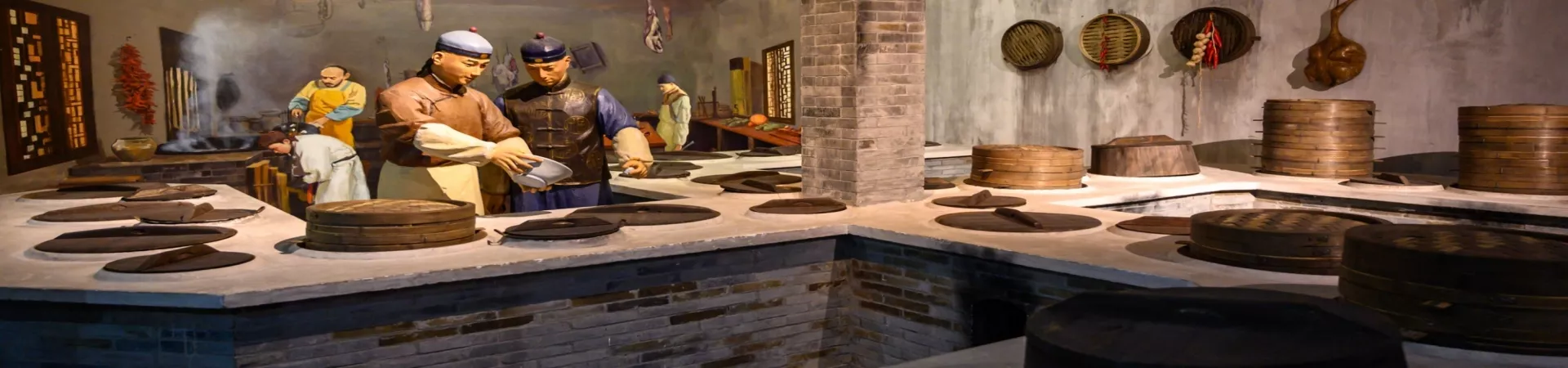
Subtitle: A Self-Guided Journey Through the Refined World of Huaiyang Cuisine
Introduction Nestled within the historic quarter of Yangzhou, adjacent to the renowned He Garden and the former residence of the Lu family salt merchants, the China Huaiyang Cuisine Museum offers a unique and immersive cultural experience. As a self-guided museum managed by the Lu Family Salt Merchant Residence, it invites visitors to explore at their own pace the intricate and elegant world of Huaiyang cuisine, one of China's Four Great Traditions. This institution is more than a display of food; it is a comprehensive narrative that chronicles the culinary philosophy, historical evolution, and artistic essence of a cuisine deeply intertwined with the prosperity and culture of the Jiangnan region.
The Historical Tapestry of Huaiyang Cuisine
Origins and Establishment The museum's journey begins by tracing the roots of Huaiyang cuisine to the regions surrounding the Huai River and Yangzhou. It meticulously details how its development was catalyzed by Yangzhou's pivotal role as a hub for salt trade, water transport, and commerce during the Ming and Qing dynasties. The immense wealth concentrated in the hands of salt merchants, scholars, and officials created a demand for exquisite, sophisticated dining that transcended mere sustenance. This section explains how Huaiyang cuisine evolved from local flavors into a disciplined and revered culinary school, emphasizing its foundational principles of selecting the finest seasonal ingredients, mastering precise knife skills, and achieving a harmonious balance in flavor—where freshness and natural taste are paramount, and heavy seasoning is used with subtlety.
Evolution and Culinary Prominence Following its establishment, the exhibition guides visitors through the cuisine's golden age of expansion and refinement. It highlights how Huaiyang chefs became integral to imperial kitchens and how its techniques and dishes spread along the Grand Canal, influencing palates across China. The narrative connects the cuisine's sophistication to the literary and artistic flourishing of Yangzhou, portraying it as an essential component of the literati lifestyle. Dishes were appreciated as edible art, with presentations designed to please the eye as much as the palate. This part of the museum effectively demonstrates how historical events, economic booms, and cultural exchanges shaped the cuisine's journey from a regional specialty to a nationally celebrated gastronomic tradition.
A Multifaceted Exploration of Culinary Artistry
The Art of the Dish: Icons and Innovation A core section of the museum is dedicated to the cuisine's tangible outputs: its legendary dishes. Through detailed descriptions, replicas, and multimedia presentations, visitors encounter the stories behind classic creations such as the delicate Lion's Head Meatballs, the sublime Stewed Minced Crab with Tofu, the crystal-clear Steamed Dumplings, and the intricate Yangzhou Fried Rice. The exhibition goes beyond listing names, explaining the culinary techniques, the symbolism behind certain dishes, and their roles in banquet culture. It also touches upon innovation, showing how contemporary Huaiyang chefs respect tradition while adapting to modern tastes.
Pillars of Flavor: Ingredients and Preparation Understanding that supreme ingredients are the cornerstone of Huaiyang cuisine, the museum dedicates significant space to this element. It showcases the premium, often locally-sourced, seasonal produce that defines the cuisine: the freshwater treasures from the region's lakes and rivers, the specific breeds of poultry, the seasonal vegetables, and the premium stocks that form the base of countless dishes. Furthermore, it glorifies the art of preparation, particularly the legendary knife skills (dao gong). Demonstrations or visual aids illustrate how ingredients are transformed into fine silks, delicate flowers, or uniform granules, a practice that ensures perfect texture and cooking consistency, elevating preparation to a performance art.
Elegance in Detail: Utensils and Dining Culture The museum astutely recognizes that the Huaiyang dining experience is holistic. A captivating section is devoted to the evolution and artistry of dining vessels (shi qi). From antique porcelain and lacquerware to elegant silverware, the displays show how the beauty of the dishware complements the food, reflecting the social status and aesthetic sensibilities of the diners, particularly the salt merchant elites. This area provides insight into historical dining etiquette, banquet arrangements, and the philosophical pursuit of harmony between food, vessel, and setting.
The Masters and Their Stages: Chefs and Establishments Human stories bring history to life. The museum pays homage to the master chefs (ming chu), both historical and modern, whose skill, creativity, and dedication have been crucial in preserving and advancing the cuisine. Their biographies, anecdotes, and contributions are highlighted. Similarly, the role of famous restaurants (ming dian) and teahouses is explored, from the historic kitchens of the salt merchant mansions to the time-honored establishments that have become institutions in Yangzhou and beyond. This section personalizes the culinary tradition, connecting faces and places to the food on the plate.
Visitor Information
Planning Your Visit * Suggested Duration: To fully appreciate the depth of the exhibitions, a visit of 1 to 3 hours is recommended. * Opening Hours: The museum is open from 9:00 AM to 12:00 PM and again from 3:00 PM to 6:30 PM. Please note that the museum is closed on Mondays for maintenance. * Admission: For the most current information regarding ticket prices and any potential discounts, it is advisable to consult the scenic area's official information channels directly. * Experience: As a self-guided museum, it allows for flexible exploration. The layout encourages a chronological or thematic journey, making it suitable for both casual visitors and culinary enthusiasts. Its location within a key historical complex further enriches the visit, placing the culinary narrative directly within the physical context of its patronage and creation.