Ancient Huaihe River Cultural Ecological Scenic Area
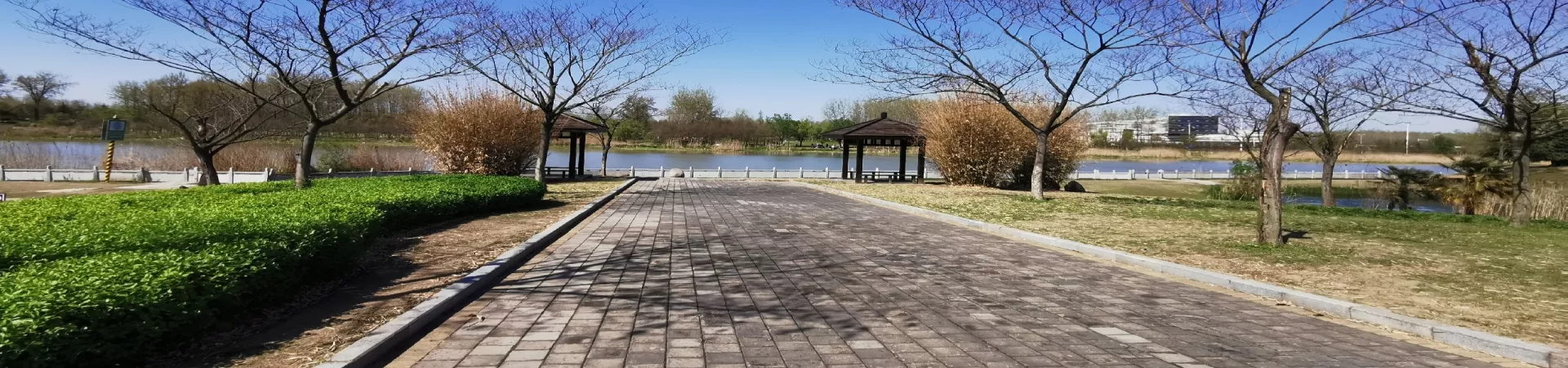
Subtitle: A Journey Through Culinary Heritage and Romantic Landscapes
Introduction to the Ancient Huaihe River Cultural and Ecological Scenic Area
Nestled within the Qinghe New District, a mere five kilometers from the bustling city center of Huai'an, lies the expansive and serene Ancient Huaihe River Cultural and Ecological Scenic Area. Encompassing approximately 500 hectares (over 5,000 acres), this meticulously planned zone is far more than a simple park; it is a living tapestry that weaves together the profound culinary history, rich cultural traditions, and rejuvenated natural beauty of the Huai'an region. Recognized as a national AAAA-level tourist attraction, a Jiangsu Provincial Self-Driving Tour Base, and a Chinese Wedding Culture Base, the area has earned its reputation as a premier destination. Its unique layout, resembling a mushroom cloud when viewed from above, hints at the impactful and immersive experience that awaits visitors on the ground. The scenic area proudly champions the dual themes of "Source of Huaiyang Cuisine" and "Sanctuary for Romantic Weddings," offering a multifaceted journey that delights the senses, enriches the mind, and captivates the heart.
Architectural Harmony and Functional Design
The architectural core of the scenic area is a masterpiece of thoughtful design, conceptualized by the prestigious Tongji University. Covering a built-up area of 6,500 square meters, the structures exemplify a graceful fusion of traditional Chinese courtyard compounds (siheyuan) and classical Chinese garden aesthetics. This design philosophy creates a seamless flow between built spaces and the natural environment, fostering a sense of tranquility and timeless elegance. The complex is ingeniously organized into five distinct yet interconnected functional zones, each dedicated to exploring a specific facet of the region's heritage.
1. The Five Core Pavilions: Exploring Huaiyang Heritage
1.1. The River Culture Pavilion This pavilion serves as the historical anchor of the entire景区. It delves deep into the story of the ancient Huaihe River, the lifeblood of the region for millennia. Through engaging exhibits, artifacts, and multimedia presentations, visitors gain an understanding of the river's pivotal role in shaping local agriculture, commerce, transportation, and community life. It outlines the historical challenges of river management and celebrates the human ingenuity that harnessed its waters, directly setting the stage for the culinary prosperity that followed.
1.2. The Huaiyang Cuisine Museum As the heart of the "Huaiyang Cuisine Source" theme, this museum is a pilgrimage site for food enthusiasts. Huaiyang cuisine, one of China's Four Great Traditions, is renowned for its exquisite knife work, delicate flavors, emphasis on seasonal ingredients, and artistic presentation. The museum meticulously charts the evolution of this culinary art form. Exhibits showcase ancient cooking utensils, detailed explanations of signature dishes like Lion's Head Meatballs and Wensi Tofu, and insights into the philosophical principles behind the cuisine. It highlights how the abundant resources from the Huaihe River and its basins provided the essential foundation for this refined gastronomic tradition.
1.3. The Folk Customs Pavilion Moving beyond the kitchen, this pavilion offers a vibrant window into the daily lives, crafts, and festive traditions of the local people. It features reconstructions of historical market scenes, displays of traditional clothing, and demonstrations of folk arts and handicrafts. The exhibits capture the cultural spirit and communal practices that have flourished alongside the Huaihe River for generations, providing essential context for the region's social and artistic heritage.
1.4. The Tasting Pavilion Theory gives way to practice in the Tasting Pavilion. This interactive space allows the culinary history explored in the museums to come alive on the palate. Visitors have the opportunity to sample authentic Huaiyang delicacies and local snacks in a setting that reflects the area's aesthetic. It's a direct, sensory connection to the region's famed culinary legacy, making the experience both educational and deliciously memorable.
1.5. The China Huaiyang Cuisine Culture Research Institute This facility underscores the scenic area's commitment to being a living center of culture, not just a static exhibit. The institute is dedicated to the academic study, preservation, and innovation of Huaiyang culinary arts. It serves as a hub for chefs, scholars, and food historians, ensuring that this intangible cultural heritage is meticulously documented, passed on to future generations, and continues to evolve.
2. A Romantic Sanctuary: Weddings and Celebrations
True to its identity as a "Romantic Wedding Sanctuary," the scenic area is ingeniously designed to cater to celebrations of love. The picturesque landscapes—featuring serene lakes, graceful bridges, willow-lined pathways, and the elegant architecture—provide a stunning backdrop for wedding photography and ceremonies. Dedicated venues within the park are tailored for romantic events, from intimate exchanges of vows to grand receptions. The integration of traditional Chinese wedding customs into the experience offers couples a chance to incorporate profound cultural symbolism into their special day, making it a deeply meaningful and visually spectacular choice for a destination wedding.
3. Ecological Rejuvenation and Leisure
While culture forms its core, the scenic area is also a testament to ecological mindfulness. The parkland is a carefully restored and maintained ecosystem along the Huaihe River basin. Lush greenery, clean waterways, and abundant native flora and fauna create a peaceful environment for leisure and relaxation. Visitors can enjoy strolls along shaded paths, boat rides on gentle streams, or simply find a quiet spot to appreciate the harmony between nature and the cultivated landscapes of the traditional gardens.
4. Practical Visitor Information
4.1. Location and Transportation Conveniently located in the Qinghe New District, the scenic area is easily accessible from downtown Huai'an, approximately a 15-minute drive. It is well-connected by local public transportation, including city buses. Its designation as a self-driving tour base means ample parking and facilities are available for those traveling by private car.
4.2. Admission Fees Entry to the Ancient Huaihe River Cultural and Ecological Scenic Area requires an admission ticket. The standard ticket price is set at 30 RMB per person. This fee grants access to the general park grounds, the outdoor landscapes, and the various architectural exteriors. Please note that some special exhibitions, tasting experiences, or private event spaces within the pavilions may involve additional separate charges.
4.3. Operating Hours The scenic area is open to the public throughout the year, offering great flexibility for visitors. The operating hours are from dawn until dusk, typically adhering to a schedule of all day, every day, including weekends and public holidays. It is always advisable to confirm the exact opening and closing times for the specific day of your visit, as they may be subject to slight seasonal adjustments or special circumstances.