Yingxiu Street
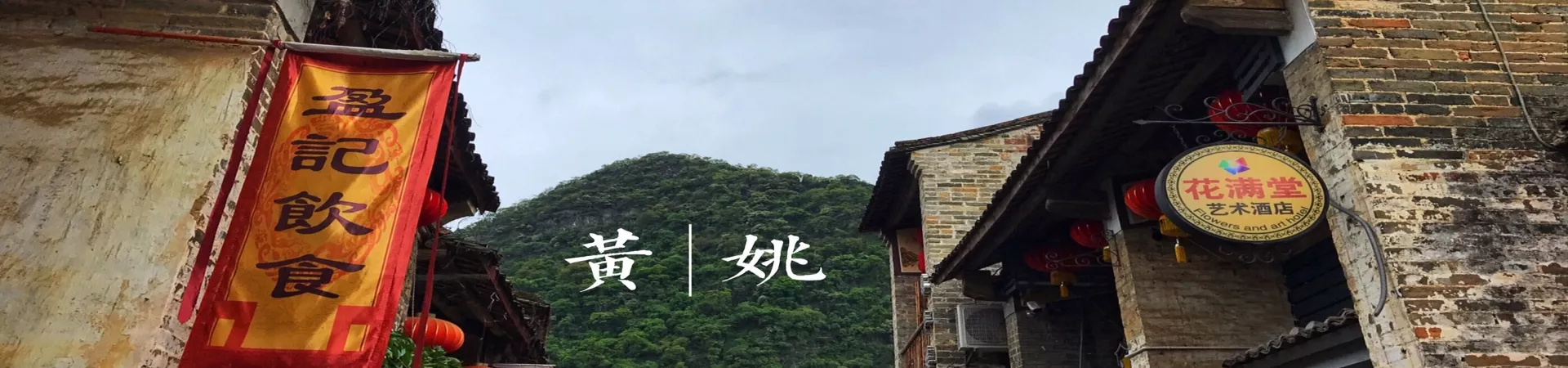
Subheading: A Stroll Through History and Culture on Yingxiu Street
1. Introduction: The Artery of Huangyao
Nestled within the timeless embrace of Huangyao Ancient Town in Hezhou, Guangxi, lies Yingxiu Street, a thoroughfare that is far more than a simple path of stone. Its name, poetic and laden with historical aspiration, translates to "Welcoming the Return of the Scholar." This nomenclature harks back to imperial China's civil examination system, evoking images of local families eagerly awaiting the homecoming of their sons after attempting the grueling provincial exams. Success could bring honor and official rank to an entire clan. As the widest flagstone street in Huangyao, Yingxiu Street has long served as the town's central artery and social heart. It is not merely a route for transit but a dynamic stage where the town's commercial vitality, architectural heritage, and communal spirit have unfolded for centuries. A walk down its length is a journey through layers of time, offering an intimate encounter with the soul of this well-preserved Guangxi settlement.
2. The Architectural and Historical Tapestry
2.1. A Pathway of Stone and Story The most immediate sensory experience of Yingxiu Street is underfoot. Its surface is paved with large, smooth flagstones, worn to a gentle sheen by generations of footsteps—from scholars and merchants to farmers and artisans. This width was a deliberate design, signifying its importance and allowing for the flow of goods, people, and ceremonial processions. The street acts as the primary spine from which a network of narrower, winding lanes and alleys branch off, leading to residential courtyards, hidden temples, and the riverfront.
2.2. Vernacular Elegance: The Shop-Houses Flanking the street is a continuous, harmonious line of Ming and Qing dynasty-style buildings, presenting a textbook example of southern Chinese vernacular architecture. These structures are predominantly two-story, built from wood, brick, and local stone. Their most distinctive feature is the "shop-house" (dianpu) design. The ground level features a fully openable facade of wooden panel doors, allowing shops and workshops to spill out onto the street, blurring the line between interior and public space. Upstairs, the living quarters project slightly over the street, supported by elegantly carved wooden brackets. Look up to appreciate the sweeping, black-tiled "horse-head" firewalls that rise between buildings, a practical and beautiful feature for fire prevention.
2.3. Cultural Landmarks and Details Interspersed among the shops and homes are more formal ancestral halls and guildhalls, their entrances marked by intricate stone carvings and calligraphic plaques. Doorways often feature ancient couplets, and windows are adorned with delicate wooden latticework. Every element, from the choice of materials to the symbolic carvings, reflects the Confucian values, pragmatic needs, and aesthetic sensibilities of Huangyao's merchant and scholarly families who built this community.
3. The Living Street: Atmosphere and Activities
3.1. A Hub of Commerce and Craft Yingxiu Street has always been the commercial center of Huangyao. Today, it continues this tradition in a manner that balances tourism with local life. The open-fronted shops offer a captivating array of goods. You will find artisans practicing traditional crafts, such as wood carving or making douchi (fermented black beans), a local specialty. Others sell hand-woven textiles, pottery, paper umbrellas, and locally produced teas and preserves. The air is often filled with the inviting aromas of street food, like sticky rice dumplings or freshly grilled rice crackers.
3.2. The Rhythm of Daily Life Despite its popularity with visitors, the street remains integrated into the daily rhythm of Huangyao's residents. In the early morning, you might see locals carrying baskets of produce or gathering for a chat. Elderly residents sit in doorways, observing the passersby. This seamless blend of tourist activity and authentic local life gives Yingxiu Street its genuine charm. It is a living museum, not a static exhibit.
3.3. Photographic and Cultural Immersion For visitors, the street is a paradise for photography and cultural immersion. The play of light and shadow on the ancient facades, the reflections on the damp stones after a rain, and the vibrant activity create endless compositions. Simply finding a quiet step to sit and observe the flow of life can be a profoundly relaxing and enriching experience.
4. Practical Information for Visitors
4.1. Access, Tickets, and Opening Hours Yingxiu Street is located entirely within the pedestrianized core of Huangyao Ancient Town. Access is included in the general entrance ticket to Huangyao Ancient Town. There is no separate fee for the street itself. The town gates are staffed, and the ticket provides access for a single day. As a public thoroughfare within the town, Yingxiu Street itself is open 24 hours a day. However, commercial shops and specific historical houses along it will have their own operating hours, typically from around 8:00 or 9:00 in the morning until early evening.
4.2. Time Recommendation and Transportation A thorough exploration of Yingxiu Street, including browsing shops, admiring architecture, and venturing into some of its connecting alleys, warrants at least one to two hours. Rushing through in less time would mean missing its nuanced details and atmosphere. The only way to experience Yingxiu Street is on foot. Huangyao Ancient Town is a pedestrian-only zone, preserving its tranquility and historic fabric. Visitors arrive at the town's main entrance and then walk to Yingxiu Street, which is centrally located and easy to find.
4.3. Tips for an Enhanced Visit To fully appreciate Yingxiu Street, consider visiting during weekdays or shoulder seasons to avoid the largest crowds. Early morning offers a glimpse of local life and beautiful soft light for photography, while lantern-lit evenings provide a magically different atmosphere. Wear comfortable walking shoes with good grip, as the ancient stones can be slippery, especially when wet. Be respectful of residents' privacy when photographing doorways or interiors, and engage gently with shopkeepers—many have fascinating stories about their families' long history on this very street.