Xiushui Zhuangyuan Village
Subtitle: A Journey Through Time in China's Celebrated Village of Literary Excellence
1. Introduction: A Living Legacy Nestled within the picturesque landscapes of Hezhou, Guangxi, lies Xiushui Zhuangyuan Village, a place where time seems to have respectfully stood still. Founded during the Kaiyuan era of the Tang Dynasty (circa 713-741 AD), this ancient settlement boasts a remarkable history spanning over 1,300 years, having gracefully witnessed the passage of the Tang, Song, Yuan, Ming, and Qing dynasties. Far from a mere relic, Xiushui is a vibrant testament to China's profound scholarly traditions and architectural heritage. Its exceptional value has been recognized through numerous honors, including designations as a "Chinese Historical and Cultural Village," a "Village with Chinese Characteristics," one of "China's Most Beautiful Villages," a "Chinese Traditional Village," and a Guangxi "Green Village." This collection of titles merely hints at the depth of experience awaiting the visitor who steps into this serene world.
2. The Soul of the Village: A Cradle of Scholars The name "Zhuangyuan Village" is not merely ornamental; it is earned. The village's most profound legacy is its extraordinary history of producing literary talent, a feat rare in Chinese history. Its most celebrated son is Mao Zizhi, who achieved the highest honor in the imperial examination system by becoming the Zhuangyuan (Top Scholar) in the first year of the Kaixi era (1205 AD) of the Song Dynasty. His success was not an isolated event but the pinnacle of a sustained scholarly culture. Over the centuries, Xiushui nurtured an astounding 26 Jinshi (advanced scholars who passed the imperial palace examination), 3 child prodigies, and 6 imperial censors. This concentration of intellectual achievement transformed the village into a renowned center of learning, supported historically by a dedicated commercial district and four ancient academies. Visitors today are drawn not by commercial attractions but by the opportunity to immerse themselves in this palpable, thousand-year-old atmosphere of scholarly pursuit—to, as locals might say, "take a sip of the profound literary culture that has flowed for millennia" and perhaps feel a touch of inspiration from the stars of wisdom.
3. Architectural Heritage: An Open-Air Museum 3.1. A Tapestry of Dynasties Xiushui's architectural landscape is a tangible chronology of Chinese building styles. The village is rightly celebrated as an "Open-Air Museum of Ancient Architecture from the Song, Yuan, Ming, and Qing Dynasties." Wandering its quiet lanes, one encounters a well-preserved ensemble of ancient residential compounds, gatehouses, and structures from these eras. Each courtyard and wall tells a silent story of the families, particularly the scholarly elites, who lived and thrived here.
3.2. Monuments of Culture and Honor Scattered throughout the village are specific monuments that anchor its historical narrative. The Zhuangyuan Tower stands as a proud symbol of the village's academic pinnacle. The ancient theater stage evokes images of communal gatherings and performances, reminiscent of scenes from Lu Xun's famous story Village Opera, especially when viewed alongside the enchanting Xianniang Jing (Fairy Maiden Well) Spring. Other notable sites include ancient memorial archways (Pailou), ornamental screen walls (Zhaobi), and tranquil ancient spring pools. The interiors of many homes are adorned with a precious collection of ancient inscribed boards (bian), bestowed by emperors across dynasties and presented by government officials, each a physical token of honor celebrating the village's scholarly achievements.
4. The Visitor's Experience: Serenity and Scenic Beauty 4.1. An Unspoiled Ambiance In an age of over-commercialization, Xiushui remains a refreshing exception. Development is minimal, and the pervasive "commercial taste" found in many ancient towns is notably absent here. The village retains its authentic, natural atmosphere, allowing visitors to engage with history and culture in a peaceful, un-rushed setting.
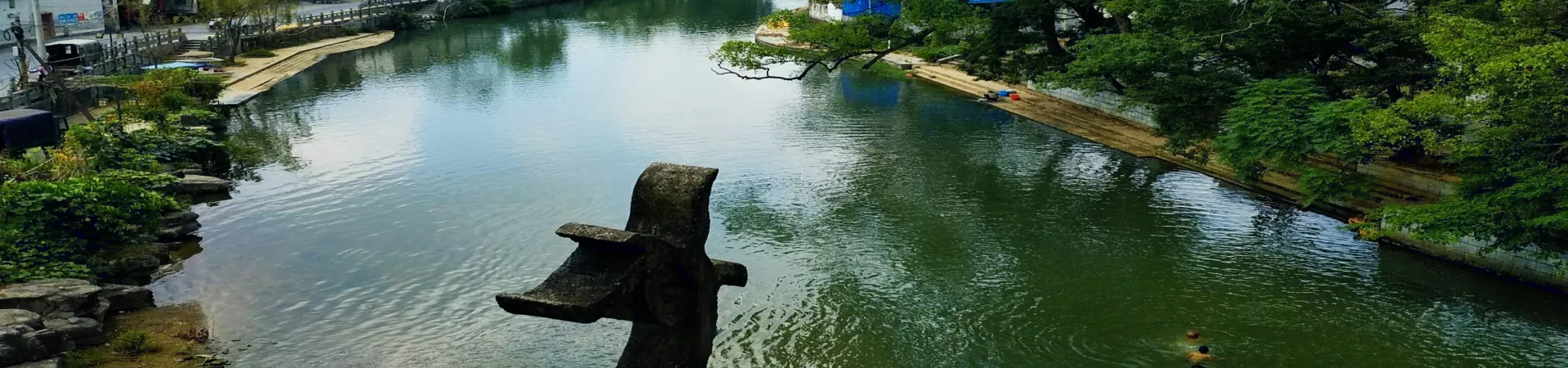
4.2. Points of Scenic and Photographic Interest For photographers and nature lovers, the village offers captivating scenes. The Qinglong Ancient Trees are particularly famous, where the intertwining branches and roots can create naturally formed, heart-shaped patterns—a perfect spot for a photograph symbolizing "hearts intertwined." The harmonious composition of the old stage against the backdrop of traditional houses and the clear spring water provides another timeless photographic subject.
4.3. Practical Information for the Trip * Suggested Duration: A visit to fully appreciate Xiushui requires a minimum of 3 hours. Those with a deep interest in history, architecture, or photography may wish to spend half a day or more. * Admission: There is no entrance fee to visit the village. * Opening Hours: The village is accessible to visitors 24 hours a day, every day of the year. * Ideal For: This destination is highly recommended for travelers passionate about humanities, ancient architecture, cultural history, and photography. Its tranquil and scholarly ambiance offers a profound contrast to bustling urban tourist spots.
Information last updated: February 3, 2023. Credit and thanks to the Hezhou Cultural and Tourism Online Marketing Center for editorial contributions.