Zhu Rongfeng
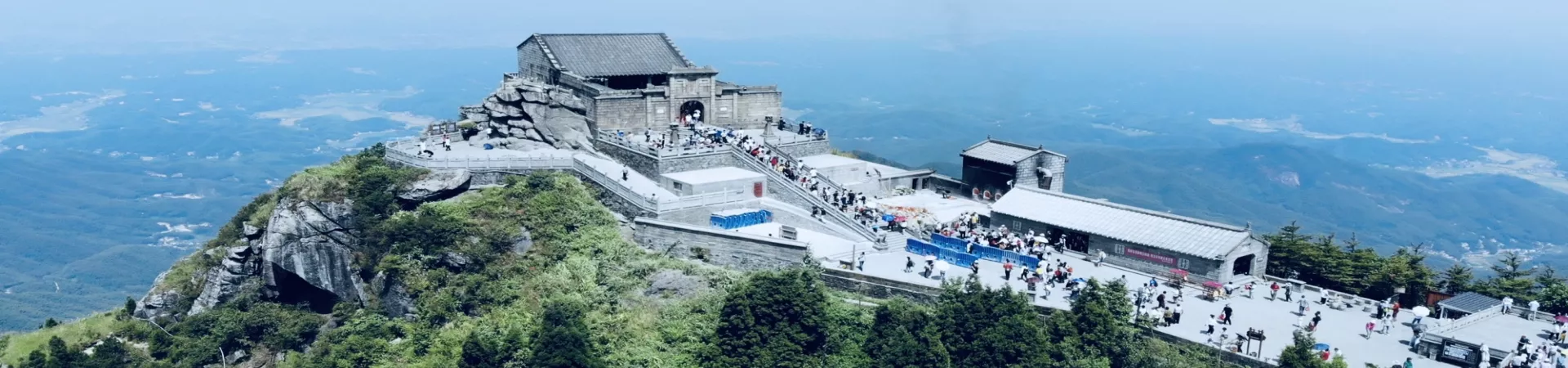
Subtitle: The Apex of Mount Heng: A Sacred Peak of Fire, Faith, and Breathtaking Vistas
1. Introduction to Zhurong Peak Rising majestically to approximately 1,300 meters (4,265 feet) above sea level, Zhurong Peak stands as the undisputed pinnacle of Mount Heng (Hengshan), one of China's Five Great Sacred Mountains. Its name and essence are deeply intertwined with ancient Chinese mythology, paying homage to Zhurong, the revered God of Fire. According to legend, Zhurong was appointed by the Yellow Emperor to oversee fire and later served as Minister of the South. He made Mount Heng his home and final resting place, imbuing the mountain, and particularly its highest summit, with profound spiritual significance. Today, Zhurong Peak is not merely a geographical high point but a cultural and religious beacon, attracting visitors with its potent blend of natural grandeur, historical temples, and the unforgettable spectacle of its sunrise.
2. Mythological Roots and Spiritual Significance 2.1. The Legend of Zhurong, God of Fire The identity of Zhurong Peak is inseparable from the deity it honors. In Chinese mythology, Zhurong is a pivotal figure from the era of the Three Sovereigns and Five Emperors. Recognized for his mastery over flame, he was officially titled the "Fire Official" by the Yellow Emperor, responsible for the vital element of fire and later governing the southern regions. His deep connection to Mount Heng, where he resided and was ultimately buried, transformed the mountain into a sacred site. Naming its highest peak after him signifies its status as the "abode of the fire god," a place where celestial power meets the earthly realm.
2.2. A Center for Taoist Practice This mythological heritage fostered Zhurong Peak's development as an important center for Taoist activity. The presence of numerous temples and shrines in the vicinity, set against a backdrop of rugged cliffs and swirling mists, creates an environment highly conducive to spiritual contemplation and worship. For centuries, the peak has been a destination for pilgrims and Taoist practitioners seeking to connect with the natural forces and divine energy symbolized by Zhurong.
3. Key Attractions and Sites on the Summit The experience of Zhurong Peak encompasses more than just panoramic views. Its relatively compact summit area is dotted with culturally rich sites, each offering a unique perspective.
3.1. Zhurong Temple (Old Sage Hall) Perched precariously on the very edge of the summit, Zhurong Temple, also known as the Old Sage Hall, is the most iconic structure. This stone-built temple is dedicated to the fire god himself. Its construction is a feat of ancient engineering, designed to withstand the fierce winds that buffet the peak. Inside, a statue of Zhurong receives the reverence of visitors. The temple's rear wall is integrated directly with the mountain cliff, and its roof is weighted with heavy iron tiles to prevent them from being torn away by the elements, a testament to its resilience.
3.2. Shangfeng Temple Located slightly below the summit, Shangfeng Temple is one of the oldest temples on Mount Heng, with a history stretching back over a millennium. While its scale is not vast, its historical importance is immense. It has served as a key religious sanctuary for both Taoist and Buddhist monks throughout the ages, reflecting the syncretic spiritual traditions often found on China's sacred mountains.
3.3. The Moon-Watching Platform and South Heaven Gate For those visiting outside sunrise hours, the Moon-Watching Platform offers a different celestial spectacle. On clear nights, this spot provides an unparalleled view of the moon and stars, seemingly within arm's reach in the thin, high-altitude air. The journey to the summit often passes through the symbolic South Heaven Gate (Nantianmen), a monumental archway that marks the transition into the sacred precincts of the mountain's highest reaches.
3.4. The Immortal Gathering Bridge Adding an element of thrilling scenery is the Immortal Gathering Bridge (Huixian Qiao), a narrow stone bridge spanning a deep gully near the peak. Walking across it, surrounded by clouds and sheer drops, evokes a sense of traversing into a mythical realm where immortals might convene, living up to its evocative name.
4. The Unmissable Sunrise Experience 4.1. The Sunrise Observation Platform The crown jewel of a visit to Zhurong Peak is witnessing the sunrise from its dedicated Sunrise Observation Platform. This experience is so central that it defines the journey for many. Visitors often spend the night at hotels on the mountain or at the summit itself to make the early morning trek to the platform in darkness, awaiting the dawn.
4.2. A Spectacle of Ever-Changing Beauty The sunrise here is never the same twice. Due to the highly variable weather conditions at this altitude—encompassing clear skies, rolling sea of clouds, misty veils, or a dynamic combination—each dawn presents a unique masterpiece. On perfect days, the sun emerges as a fiery orb from a seemingly endless, turbulent ocean of clouds below, painting the sky in brilliant hues of orange, pink, and gold. The interplay of light and shadow on the surrounding peaks creates a dramatic, awe-inspiring panorama that is considered one of the most magnificent sunrise views in all of China.
4.3. The Modern Meteorological Station Interestingly, sharing space with the ancient tradition of sunrise viewing is a modern meteorological station situated on the platform. This juxtaposition highlights the peak's role not only as a cultural landmark but also as a strategic point for observing natural phenomena, bridging ancient reverence for the heavens with contemporary scientific study.
5. Practical Visitor Information * Location: The summit of Mount Heng (Nanyue), Hengyang City, Hunan Province, China. * Admission: Access to Zhurong Peak is included within the main scenic area ticket for the Central Scenic Zone of Mount Hengshan. There is no separate entrance fee for the peak itself. * Opening Hours: The summit area is generally accessible from 8:00 AM to 5:30 PM daily. However, access to the Sunrise Observation Platform for early morning viewing is typically permitted outside these standard hours. It is crucial to confirm the latest access details with local authorities or your accommodation, especially for sunrise trips. * Recommended Visit Duration: Allocating 1 to 3 hours on the summit is advisable to fully explore the temples, walk to the various viewing points, and soak in the atmosphere. This does not include the substantial time required for the ascent and descent via foot, shuttle bus, or cable car. * Contact: For general inquiries about Mount Heng Scenic Area, you may contact: +86 734 567 3377. * Essential Tips: The summit is significantly colder and windier than the base, regardless of the season. Warm, layered clothing and wind-resistant outerwear are absolutely essential. Sturdy, comfortable footwear is required for navigating the stone steps and paths. Given the high altitude, weather can change rapidly; be prepared for rain, fog, or strong sunshine. Checking the weather forecast before your ascent, particularly if sunrise is your goal, is highly recommended.