The Southern Mountains of the World
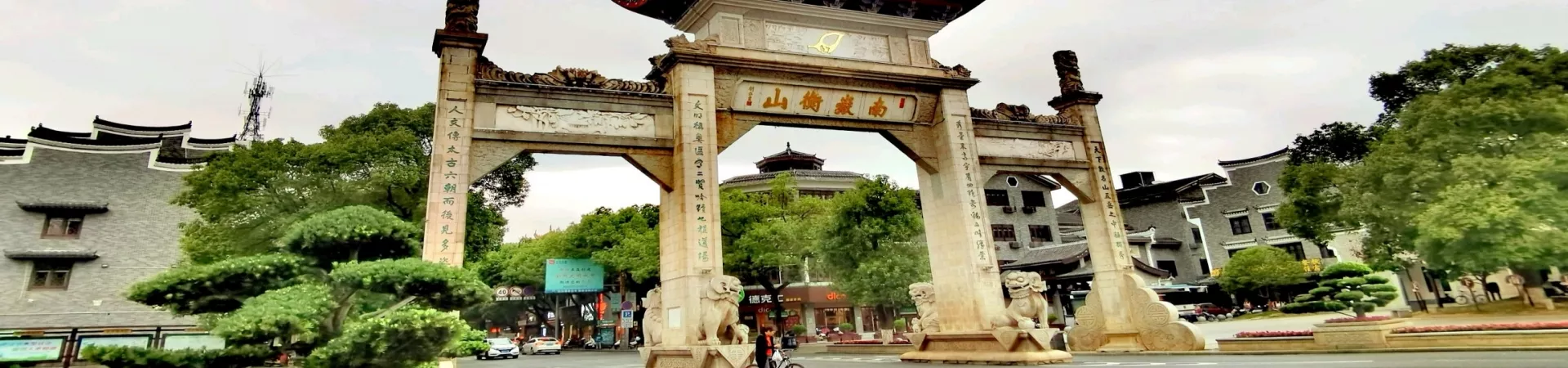
Subtitle: A Sacred Peak, A Cultural Tapestry, and A Natural Sanctuary
1. Introduction: The Great Southern Mountain Rising majestically in central Hunan Province, Mount Hengshan, revered as the "Great Southern Mountain" (Nanyue), stands as one of China's Five Sacred Mountains. For over two millennia, it has been a unique cultural and spiritual epicenter where Taoist immortality, Buddhist enlightenment, and Confucian scholarship have coexisted and flourished. Unlike peaks known solely for natural beauty or singular religious devotion, Mount Hengshan offers a profound journey through layered history, diverse philosophical traditions, and breathtaking ecosystems, all condensed within its 72 graceful peaks.
2. The Spiritual Heartland: A Convergence of Beliefs The mountain's spiritual significance is palpable, with a rich tapestry of temples, monasteries, and shrines dotting its slopes and nestled in its forests.
2.1. Nanyue Grand Temple: An Architectural Symphony At the mountain's foot lies the magnificent Nanyue Grand Temple (Nanyue Damiao), a microcosm of the mountain's syncretic spirit. This sprawling imperial-era complex is one of China's largest and best-preserved ancient architectural groups. Its unique layout mirrors the Forbidden City, reflecting its historical status as a site for imperial worship. Intricately, the temple integrates architectural styles and deities from Confucianism, Taoism, and Buddhism under one roof. The main hall, Shengdi Hall, supported by 72 stone pillars representing the 72 peaks of Hengshan, is a breathtaking feat of engineering and artistry.
2.2. Zhurong Peak: Where Fire Meets the Sky The highest peak, Zhurong Peak (1290 meters), named after the mythical God of Fire, is a primary pilgrimage destination. The ascent, whether by foot or shuttle, culminates in awe-inspiring vistas of seas of clouds and rolling mountains below. At the summit, the Zhurong Temple, seemingly carved from the cliff face, embodies the Taoist pursuit of harmony between human creation and the raw power of nature. Standing here, one truly feels atop the "Pillar of the Southern Sky."
2.3. Buddhist Sanctuaries Amidst the Clouds Further up the mountain, serene Buddhist monasteries like the Mirror-Rubbing Temple (Mogong Temple) and the Fuyan Temple, known as the "Ancient Temple of Buddhist Brilliance," offer tranquil retreats. Fuyan Temple is particularly famed for its association with the profound Buddhist wisdom of Master Huineng, a key figure in Chan (Zen) Buddhism. The sound of temple bells mingling with the whisper of ancient trees creates an atmosphere of deep peace.
3. A Natural Masterpiece: Scenery Beyond Temples Mount Hengshan's spiritual aura is complemented by its stunning natural landscape, celebrated for its "four unique sights."
3.1. The Four Unique Wonders * The Grace of the Peaks: The 72 peaks, stretching like a flying phoenix, are characterized by their elegant, winding contours rather than sheer precipitousness. * The Beauty of the Waters: Crystal-clear streams, tranquil ponds, and cascading waterfalls, such as the Maoshui Waterfall, weave through the forests, their constant murmur a soundtrack to the mountain journey. * The Depth of the Caves: Numerous secluded caves and grottoes, often associated with Taoist hermits or Buddhist meditation, invite contemplation and exploration. * The Charm of the Forests: The mountain is a vast arboretum, home to ancient, gnarled pines, rare fir trees, and lush bamboo groves. The most celebrated are the "Greeting Pines" near the Half-Mountain Pavilion, which seem to bow to passing visitors.
3.2. The Sea of Clouds and Sunrise A visit is incomplete without witnessing the spectacular sea of clouds. Often, after rain or at dawn, thick, rolling clouds envelop the lower peaks, leaving the summits as islands in a frothy white ocean. The sunrise viewed from Zhurong Peak or the Sunrise Viewing Terrace is a transformative experience, as the first golden rays pierce the cloud blanket, illuminating the world below.
4. The Cultural Pilgrimage: History Inscribed in Stone Beyond grand architecture, the mountain is an open-air museum of Chinese scholarly culture.
4.1. Cliff Inscriptions and Literary Legacy Over 2,000 cliff inscriptions and stone tablets are scattered along the paths, featuring poetry, philosophical musings, and calligraphic masterpieces from emperors, scholars, and poets across dynasties. Each carving tells a story, recording the awe and inspiration the mountain evoked in history's great minds. Walking these trails is a dialogue with the past.
4.2. The Ancient Town of Nanyue The town at the mountain's base serves as the gateway. Its bustling incense street, lined with shops selling ritual items and local delicacies, provides a vibrant glimpse into the living tradition of pilgrimage. Here, the scent of sandalwood incense fills the air, and visitors can sample authentic Hunan cuisine, including the local tofu and sticky rice cakes, fueling up for the ascent.
4.3. A Living Tradition of Pilgrimage Mount Hengshan is not a relic but a living cultural space. Throughout the year, especially during traditional festivals, streams of pilgrims ascend the mountain to pay homage, their devotion a moving testament to the mountain's enduring spiritual power. This seamless blend of daily worship, historical depth, and natural splendor makes a visit to Mount Hengshan far more than a scenic trip; it is an immersive passage through the very heart of Chinese spiritual and cultural heritage.