Shangfeng Temple
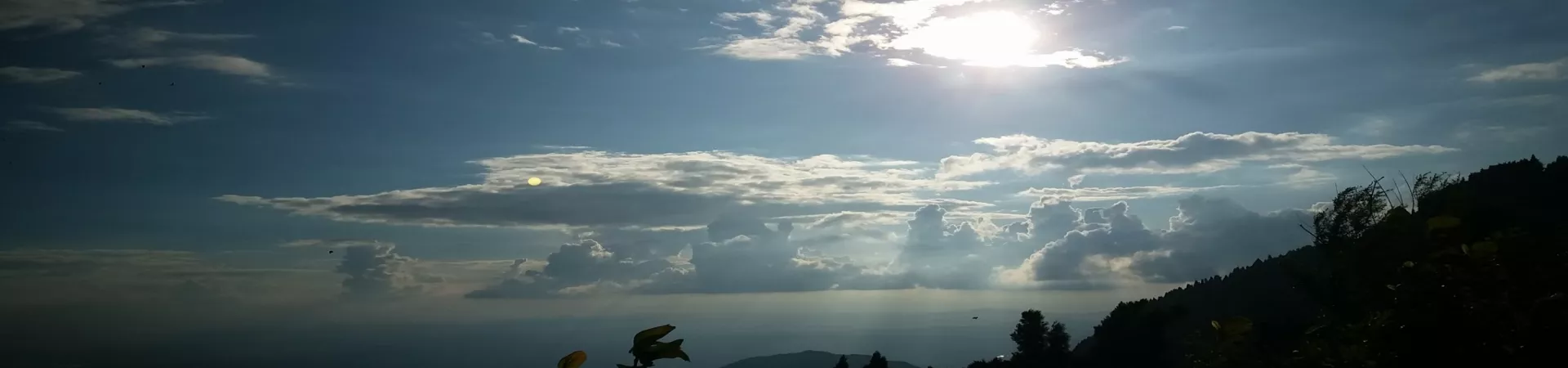
Subtitle: A Journey to the Summit: Exploring Shangfeng Temple on Hengshan Mountain
Introduction: A Sanctuary in the Clouds
Perched near the very summit of Hengshan Mountain (Mount Heng), the southern peak of China's revered Five Great Mountains, Shangfeng Temple is not merely a destination; it is the culmination of a spiritual and physical ascent. As the highest-altitude temple on this sacred mountain in Hengyang, Hunan Province, it has served for centuries as a pivotal center of Buddhist worship, a haven for pilgrims, and a breathtaking vantage point that literally touches the clouds. More than just an architectural site, Shangfeng Temple represents a profound intersection of natural majesty, deep religious devotion, and enduring cultural history. A visit here is an immersive experience, offering moments of serene contemplation amidst awe-inspiring landscapes that have inspired poets and seekers for over a millennium.
1. Historical and Cultural Significance
1.1. Origins and Imperial Patronage The temple's history is deeply entwined with the legacy of Hengshan as a holy site. While Buddhist activity on the mountain dates back to the Southern and Northern Dynasties (420-589 AD), Shangfeng Temple's prominence solidified during the Sui and Tang dynasties. It flourished as a key sanctuary for the influential Tiantai and Nanyue Buddhist schools. The temple's name, "Shangfeng" (上封), meaning "Bestowed by the Sovereign," is traditionally attributed to an imperial decree from Emperor Yang of the Sui Dynasty, highlighting its historical importance and royal connections. Throughout subsequent dynasties, it remained a major pilgrimage center, attracting monks, scholars, and emperors who sought blessings and enlightenment at this sky-high abode.
1.2. Architectural Evolution and Layout Unlike the sprawling temple complexes found in valleys, Shangfeng Temple's architecture is a testament to adaptation and resilience. Built to withstand the harsh, windy conditions at the summit, its structures are characterized by sturdy stone and brickwork, with heavy roofs and enclosed corridors. The traditional layout is oriented around central courtyards, with the main halls—typically housing statues of the Buddha Sakyamuni, Guanyin (the Goddess of Mercy), and other Bodhisattvas—arranged along a central axis. The temple complex has been destroyed and rebuilt several times due to fires and warfare, with significant restorations occurring during the Qing Dynasty and in modern times. This cycle of destruction and renewal itself mirrors core Buddhist principles of impermanence and perseverance.
2. The Visitor Experience: Ascending to the Temple
2.1. The Pilgrimage Route Reaching Shangfeng Temple is an integral part of the experience. Visitors can choose between two primary paths: * The Traditional Hike: Following ancient stone steps through lush forests, past cascading streams and smaller hermitages, this physically demanding but rewarding trek allows one to follow in the footsteps of countless pilgrims, feeling the mountain's spiritual energy build with each step. * Modern Access: A mountain road and shuttle services lead to a point near the summit, from which a shorter, final climb via walkways and stairs brings visitors to the temple gates. This option makes the site accessible to a wider range of visitors.
2.2. Key Sites Within and Around the Temple Upon arrival, several focal points command attention: * The Main Prayer Halls: The heart of the temple, where the scent of incense fills the air, and the sound of chanting and bells creates a deeply atmospheric setting for reflection. * The Observation Platforms: The temple's prime attraction. On a clear day, the panoramic view is simply sublime. To the north, the rolling ridges of Hengshan unfold like a green dragon's back. At dawn, the "Sea of Clouds" (云海) phenomenon transforms the world below into a swirling, ethereal ocean of mist, with mountain peaks appearing as islands. Watching the sunrise from here is considered a transcendent experience. * The **Zhurong Peak Proximity:** Shangfeng Temple is the gateway to Zhurong Peak, the absolute highest point of Hengshan. A brisk walk from the temple leads to this pinnacle, named after the mythological God of Fire, offering even more commanding 360-degree vistas. * Ancient Stone Inscriptions: Scattered around the temple grounds and on nearby cliffs, one can find weathered stone carvings and poems left by historical figures, adding a layer of literary and historical depth to the landscape.
3. Practical Information for Planning Your Visit
3.1. Location and Access * Full Address: Shangfeng Temple, Nanyue District, Hengyang City, Hunan Province, China. It is located within the Nanyue Hengshan Scenic Area. * Getting There: Most visitors travel to Hengyang City via high-speed rail or bus. From the city, local buses or taxis go to the Nanyue Hengshan tourist center at the mountain's base. Entrance tickets to the scenic area are required. From there, the scenic area shuttle buses are necessary to reach the upper slopes near Shangfeng Temple.
3.2. Opening Hours and Contact * Opening Hours: The temple grounds and the surrounding scenic area pathways are generally accessible 24 hours a day. This allows for the highly recommended experiences of sunrise viewing and nighttime stargazing, which are exceptionally clear at this altitude. However, access to the interior halls of the temple may be limited to daylight hours (typically approximately 8:00 AM to 5:00 PM). It is always advisable to check for any seasonal or administrative changes upon arrival at the mountain base. * Contact Telephone: For the most current local information, visitors can call 0734-5663009.
3.3. Tips for a Fulfilling Visit * Best Time to Visit: Autumn (September-November) offers stable weather, clear skies, and comfortable temperatures. Spring brings blooming flowers, while winter can present stunning frost and snow scenery, though conditions are cold and potentially icy. Summer is often misty but provides an escape from the lowland heat. * What to Bring: Regardless of season, the summit is significantly colder and windier than the base. Warm, layered clothing, a windproof jacket, and sturdy, non-slip footwear are essential. Bring water, snacks, and consider a flashlight if planning for dawn or dusk. * Cultural Etiquette: As an active place of worship, visitors should maintain a respectful demeanor. Speak quietly, follow posted instructions regarding photography inside halls, and avoid touching religious artifacts.