Nanyue Water Curtain Cave
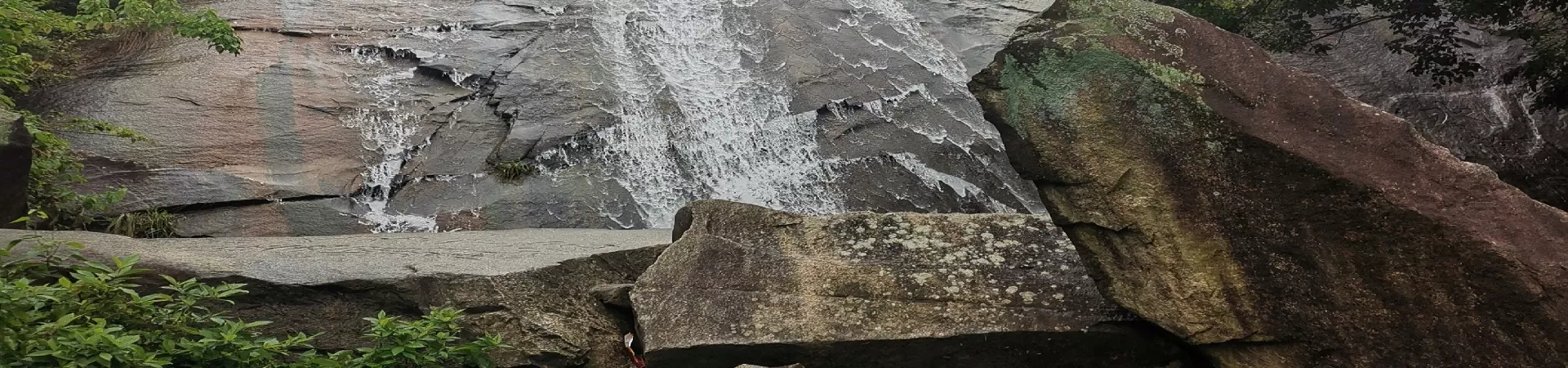
Subtitle: A Journey into the Heart of Chinese Mythology and Natural Splendor
Introduction: The Allure of the Water Curtain Cave
Nestled within the lush, embracing landscapes of Hengyang City in China's Hunan Province lies a destination that transcends the ordinary—the Water Curtain Cave (Shuǐlián Dòng). More than just a geological formation, this site is a profound cultural touchstone, immortalized as the legendary abode of the Monkey King, Sun Wukong, from the classic 16th-century novel Journey to the West. For visitors, a trip here is not merely a scenic outing but an immersive passage into the realms of ancient myth, poetic inspiration, and breathtaking natural artistry. The cave complex, where cascading water veils the entrance like a shimmering pearl curtain, offers a unique synthesis of literary history, Daoist serenity, and the raw, powerful beauty of karst topography. It stands as a testament to how nature and narrative can intertwine to create a place of enduring wonder and spiritual resonance.
I. A Portal to Myth and Literary Legend
1.1 The Realm of the Monkey King The primary allure of the Water Curtain Cave is inextricably linked to the iconic figure of Sun Wukong. In Wu Cheng'en's masterpiece, this cave is described as the "Fruit and Flower Mountain" retreat where the Stone Monkey discovered the hidden cave behind a magnificent waterfall and was proclaimed king by his simian tribe. This literary association transforms the site from a simple cave into a stage for imagination. As visitors approach the thundering curtain of water, they are walking the same symbolic path as the legendary hero—a journey of discovery and self-realization. The site actively cultivates this connection, with statues and artistic depictions of Sun Wukong and his companions, allowing fans of the story to physically step into a world they have only previously visited through text and screen.
1.2 A Muse for Poets and Philosophers Long before its novelization, the cave's ethereal beauty had captured the hearts of scholars and poets throughout China's dynastic history. Its name, evoking the image of a liquid bead curtain, has inspired countless verses praising its secluded elegance and mystical atmosphere. The site has been a traditional retreat for those seeking inspiration or spiritual contemplation, aligning with Daoist principles of harmony with nature. The constant, rhythmic roar of the waterfall and the cool, misty air behind the cascade create a naturally meditative environment, encouraging visitors to pause and reflect, much as ancient literati once did.
II. Experiencing the Natural Spectacle
2.1 The Grand Entrance: The Waterfall Itself The defining feature is, without doubt, the majestic waterfall that obscures the cave's mouth. Depending on the season, the water flow varies from a powerful, roaring deluge in the wet summer months to a gentler, more delicate veil in drier periods. This dynamic character means the cave presents a different face throughout the year. Standing on the viewing platform opposite, one is enveloped in a fine, refreshing mist, and on sunny days, rainbows frequently dance in the spray, adding a magical optical effect to the scene. The sound is omnipresent and profound, a natural white noise that drowns out the modern world.
2.2 Venturing Within: The Karst Interior Passing behind the waterfall is a dramatic experience—a transition from bright, noisy openness to a cool, dim, and echoing chamber. Inside, the cave extends into a typical karst formation, adorned with stalactites and stalagmites sculpted over millennia by mineral-rich water droplets. Strategically placed lighting illuminates the strange and wonderful shapes, inviting comparisons to mythical beasts, celestial figures, or natural architecture. The interior paths allow for exploration of these subterranean wonders, with the constant reminder of the waterfall's muffled roar serving as a backdrop.
2.3 The Surrounding Ecosystem: Lush Mountain Scenery The cave is not an isolated feature but the centerpiece of a beautifully preserved mountainous area. The approach is through verdant forests and along clear streams, rich with local flora and fauna. The hiking trails offer varying degrees of challenge and reward, with lookout points providing panoramic views of the surrounding Hengshan mountain ranges (part of the broader Hengshan scenic area). This green setting enhances the sense of entering a hidden, pristine world away from urban life.
III. Practical Information for Visitors
3.1 Location and Accessibility The Water Curtain Cave is situated within the Nanyue District of Hengyang City, approximately integrated into the scenic system of Mount Heng (Hengshan), one of China's Five Great Mountains. It is accessible by road from downtown Hengyang. Visitors can utilize tourist buses, taxis, or private vehicles to reach the site. The final approach typically involves a scenic walk from the parking area, setting the tone for the visit.
3.2 Admission and Operating Hours A visit is structured with the following practical details: * Admission Fee: The standard ticket price is set at 30.0 RMB. This fee grants access to the Water Curtain Cave scenic area, including viewing platforms, the cave interior, and the immediate trail network. * Operating Schedule: The site is open daily throughout the year. The operating hours are from 07:30 to 17:30 (Monday through Sunday, from January 1st to December 31st). It is advisable to arrive with sufficient time to fully enjoy the hike and exploration without feeling rushed near closing time.
3.3 Optimal Timing and Seasonal Considerations The experience differs markedly by season. Late spring through early autumn (May to October) offers the most vigorous waterfall flow and lush greenery, though it coincides with warmer weather and potentially larger crowds. The waterfall remains flowing year-round. Autumn provides crisp air and colorful foliage, while winter presents a quieter, more starkly beautiful atmosphere, with the possibility of seeing icicles adorn the cave entrance. Weekdays generally see fewer visitors than weekends or Chinese public holidays.
IV. Enhancing Your Visit
4.1 Suggested Attire and Essentials Sturdy, non-slip walking shoes are essential due to potentially wet and uneven paths near the waterfall and inside the cave. The mist from the waterfall can be pervasive, so a light waterproof jacket or poncho is highly recommended. Bringing water and snacks is prudent, though facilities may be available near the entrance. As always, carrying your personal identification is necessary in China for ticket purchases if required.
4.2 Cultural Etiquette and Preservation As a site of natural and cultural significance, visitors are encouraged to practice responsible tourism. This includes disposing of all trash properly, refraining from touching or damaging the delicate calcite formations inside the cave, and maintaining a respectful demeanor in keeping with the site's serene and historic ambiance. Photography is generally permitted, but the use of flash inside the cave may be restricted to protect the environment and other visitors' experience.
4.3 Connecting to the Wider Region A visit to the Water Curtain Cave can be seamlessly combined with exploration of other key attractions in the Hengyang area. Most notably, it serves as an excellent complement to a pilgrimage or hike to the peaks of Mount Heng (Hengshan), a sacred mountain renowned for its blend of Buddhist and Daoist temples, stunning cliffs, and ancient forests. The city of Hengyang itself offers historical sites and local Hu'nan cuisine, making the region worthy of a multi-day itinerary.