Nanyue Temple
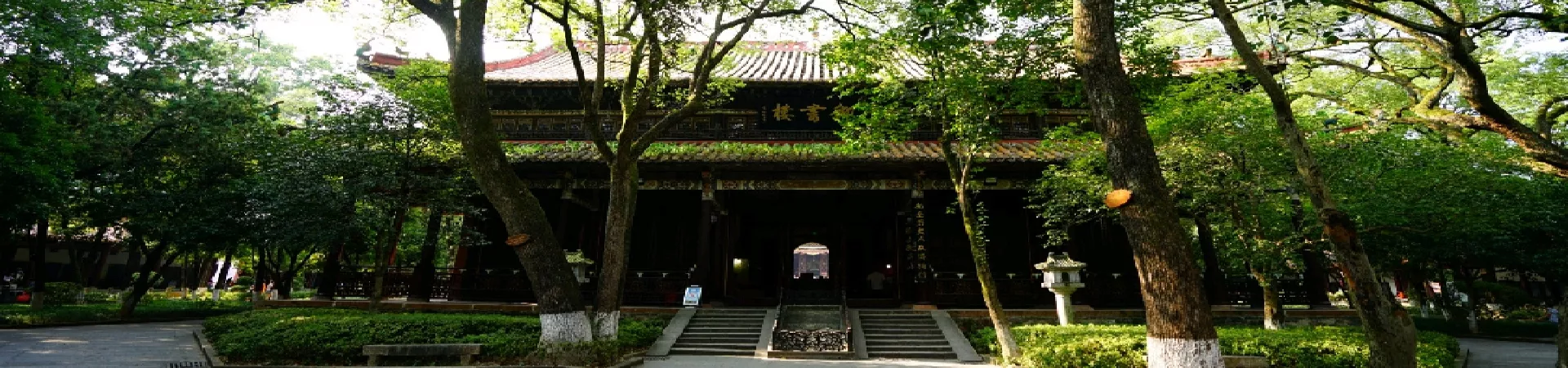
A Visitor's Guide to Nanyue Grand Temple: Architecture, Harmony, and Practical Details
Nestled at the foot of the majestic Mount Heng (Hengshan), one of China's Five Great Mountains, in the city of Hengyang, Hunan Province, the Nanyue Grand Temple stands as a monumental testament to Chinese religious architecture and spiritual syncretism. Often revered as the "Imperial Temple of the Southern Peak," it has served as the primary site for imperial worship of the mountain deity for over a millennium. Its vast scale, intricate layout, and unique coexistence of two major religions within a single complex make it an unparalleled destination for cultural and historical exploration.
Architectural Grandeur and Layout
The temple's design is a profound expression of traditional Chinese architectural philosophy and imperial prestige. Its overall structure is meticulously planned to symbolize cosmic order and hierarchical power.
A Miniature Forbidden City The most striking first impression of Nanyue Grand Temple is its resemblance to the Forbidden City in Beijing. Enclosed by a towering vermilion wall punctuated by imposing watchtowers at the corners, the complex exudes an aura of imperial solemnity. The "Shoujian" mountain spring meanders along the outside of the wall, mirroring the moats surrounding ancient palaces. This deliberate architectural homage underscores the temple's historical status as a site of state-sponsored ritual.
The Nine-Courtyard, Four-Layer Hierarchy The temple complex is vast, organized along a central north-south axis in a layout known as "Nine Fronts and Four Layers of Courtyards." This means visitors pass through nine successive gates or pavilions, moving deeper into four main spatial layers, each representing a step closer to the sacred core. * The First Layer: Begins with the main entrance gates, including the impressive "Lingxing Gate," setting the tone for the journey ahead. * The Second Layer: Houses structures like the Kuixing Pavilion (Pavilion of the Literary Star) and the Imperial Stele Pavilion, highlighting the temple's connection to scholarly and imperial authority. * The Third Layer: This layer contains the majestic Zhengdian (Main Hall), the architectural and spiritual heart of the complex. Constructed largely during the Qing Dynasty, it is a breathtaking example of palatial temple architecture. The hall is supported by 72 stone pillars, symbolically representing the 72 peaks of Mount Heng. Its double-eaved roof, adorned with brilliant glazed tiles and intricate carvings of dragons and phoenixes, showcases the zenith of traditional craftsmanship. Inside, statues of the mountain deity preside with dignified grandeur. * The Fourth Layer: The innermost sanctum includes the Qingong (Bedchamber Palace), where the ceremonial attire and accoutrements of the deity were kept, and the Yushulou (Imperial Library), which once housed sacred texts and imperial edicts. This layer represents the private, most revered space within the temple grounds.
Throughout the complex, auxiliary structures like the Panlong Ting (Coiling Dragon Pavilion) add points of scenic and architectural interest. The entire complex preserves and showcases artistic精华 (essence) from the Tang and Song dynasties onward, making it a living museum of architectural evolution.
A Unique Fusion of Beliefs: Taoism and Buddhism
Beyond its physical grandeur, Nanyue Grand Temple is celebrated for a rare and harmonious spiritual phenomenon: the simultaneous worship of Taoism and Buddhism within its walls. This coexistence is physically manifested in the temple's symmetrical layout.
The Eastern Taoist Temples To the east of the central axis lies a series of eight Taoist temples (道观). These temples are dedicated to various Taoist deities and immortals, reflecting the native religious and philosophical system of China. They represent the pursuit of harmony with the Dao (the Way), longevity, and natural order.
The Western Buddhist Monasteries Mirroring the eastern side, the west side of the complex contains eight Buddhist monasteries (佛寺). These monasteries enshrine Buddhas and Bodhisattvas, representing the teachings of Buddhism which was introduced to China and later sinicized. Here, the focus is on enlightenment, compassion, and liberation from suffering.
This side-by-side arrangement, with the imperial sacrificial halls on the central axis, is a unique masterpiece in Chinese religious history. It illustrates a historical period of tolerance, interaction, and mutual influence between the two belief systems, all under the umbrella of the state cult of mountain worship. Visitors can distinctly experience the different atmospheres, iconography, and rituals of both traditions within a single walkable precinct.
Essential Visitor Information
To plan a smooth and enriching visit, please note the following practical details.
Ticket Information * General Admission Fee: 58 RMB (approximately $8 USD). This fee typically provides access to the entire main temple complex. * Note: Ticket prices are subject to change. It is always advisable to check the official website or notices at the ticket office for the most current pricing on the day of your visit.
Operating Hours The temple's opening hours vary slightly by season: * Peak Season (May 1st - October 31st): 8:00 AM - 5:30 PM. Last entry is at 5:00 PM. * Off-Peak Season (November 1st - April 30th of the following year): 8:00 AM - 5:00 PM. Last entry is at 4:30 PM. Allocating 1 to 3 hours is recommended for a thorough exploration of the temple grounds.
How to Get There The temple is conveniently accessible via public transportation in Nanyue District: * By Bus: Take Nanyue Bus Line 1, Line 2, or Line 3 and alight at the "Damiao Beimen" (Grand Temple North Gate) station. The temple entrance is within a short walking distance from the bus stop. * Taxi/Rideshare: Taxis and rideshare services are readily available in Hengyang and the Nanyue district and can take you directly to the temple's main entrances.
Contact Details For any inquiries, you may contact the temple management using the following phone numbers: * 0734-5666708 * 0734-5673377
A visit to Nanyue Grand Temple is more than a sightseeing trip; it is a walk through layers of Chinese history, art, and spiritual thought. From its awe-inspiring imperial architecture to its serene courtyards and its unparalleled model of religious harmony, the temple offers a profound and unforgettable glimpse into the soul of traditional Chinese culture.