West Lake Park
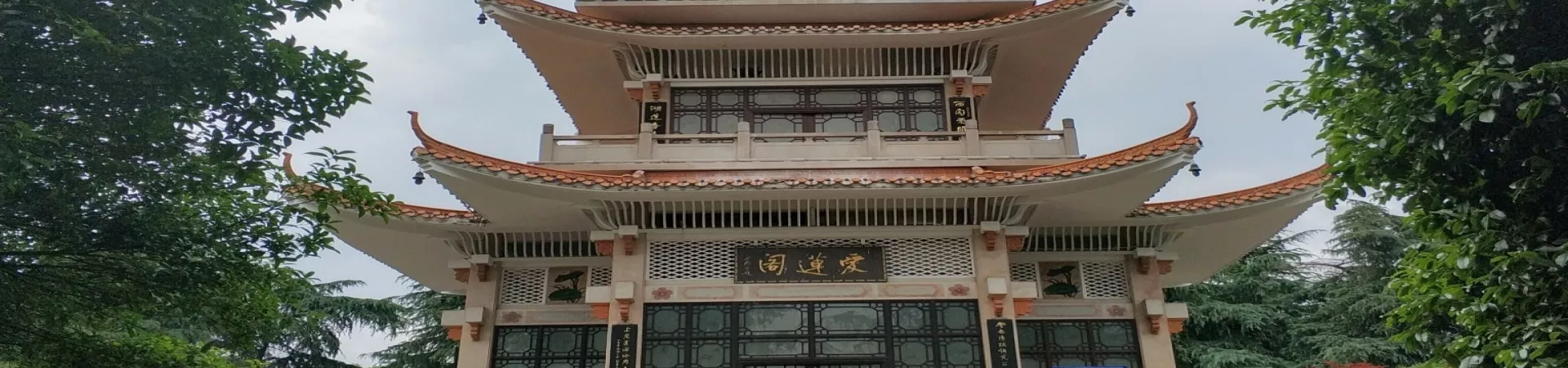
Subtitle: A Serene Urban Oasis: Discovering the Beauty and Culture of Hengyang's West Lake Park
Introduction: A Green Sanctuary in the City's Heart
Nestled within the vibrant urban landscape of Hengyang City, Hunan Province, lies a tranquil retreat that masterfully blends natural beauty with cultural depth: Hengyang West Lake Park. Encompassing over 300 acres (approximately 50 acres of land and 46 acres of water), the park is a meticulously planned masterpiece of classical Chinese garden design. Its core philosophy revolves around harmonizing the fundamental elements of mountain, water, and greenery to artfully partition space, creating a sequence of picturesque landscapes. This thoughtful layout achieves a profound artistic ideal—finding profound peace and quietude within the bustle of the city. Serving as the city's "green lung," the park offers residents and visitors alike a vital escape, where the gentle rustle of leaves and the reflective calm of water replace urban noise, providing a sanctuary for relaxation, contemplation, and reconnection with nature.
Design Philosophy and Layout
The Essence of Chinese Landscape Gardening The park's design is a direct homage to the centuries-old tradition of Chinese landscape gardening, which seeks not to dominate nature but to create an idealized, poetic microcosm of it. The careful 54%-46% balance between land and water is not incidental but intentional, mirroring the Taoist concept of yin and yang—where solid land (yang) and fluid water (yin) exist in complementary harmony. Winding paths, strategically placed rockeries that mimic distant mountains, and the expansive lake work in concert to guide visitors through a varied experience. Vistas unfold and change with every turn, ensuring that the park feels much larger than its footprint suggests. The overarching aesthetic is one of "refreshing clarity and liveliness," a bright and open atmosphere that feels both invigorating and soothing.
Key Scenic Areas and Attractions
Historical and Cultural Zones * Xia Minghan Scenic Area: This section is dedicated to Xia Minghan, a revered revolutionary martyr from Hengyang. It serves as a space for quiet reflection on modern Chinese history, often featuring educational plaques or serene spots that honor his legacy, seamlessly integrating patriotic education into the natural environment. * Zhou Dunyi's Lotus Love Area: A poetic tribute to the Northern Song Dynasty philosopher and native Hunan scholar, Zhou Dunyi, famous for his essay "On the Love of the Lotus." This area, particularly stunning in summer, is likely centered around lotus ponds. It invites visitors to appreciate the flower's symbolism of purity and integrity rising from the mud, just as Zhou admired, blending literary culture with horticultural beauty.
Natural and Panoramic Vistas * Sino-Japanese Friendship Cherry Blossom Grove: A symbol of cultural exchange, this grove transforms in early spring. The burst of delicate pink and white cherry blossoms creates a breathtaking, ethereal canopy, drawing crowds for hanami (flower-viewing) picnics and photography, adding a touch of seasonal magic and international friendship to the park. * Lotus Lake Flying Pearls & Moon Reflecting on White Lotuses: These evocatively named spots focus on the aquatic beauty of the park. "Flying Pearls" might describe fountains or water features that catch the light like scattered jewels, while "Moon Reflecting" suggests a perfectly calm pond of white lotuses, offering a scene of supreme tranquility, especially under the evening sky. * Lake and Sky Blending into One & Twin Pavilions in Misty Rain: These areas highlight the park's most impressive vistas. "Lake and Sky Blending into One" offers open views where the water seamlessly meets the horizon, creating a feeling of boundless space. "Twin Pavilions in Misty Rain" evokes the classic beauty of garden pavilions overlooking the water, a scene that becomes particularly poetic and softly mysterious during drizzly weather.
Architectural and Floral Highlights * Flower and Bird Corridor: This likely refers to a covered walkway or gallery, perhaps adorned with carvings or paintings of flora and fauna, or simply a path flanked by bird-attracting plants and blossoms. It functions as a sheltered promenade for enjoying the park's details regardless of the weather. * Hibiscus Embracing Emerald & Double Pavilion in Misty Rain: "Hibiscus Embracing Emerald" suggests a lush area thick with hibiscus shrubs and vibrant greenery. Along with the picturesque "Twin Pavilions," these spots exemplify the garden's skill in using plants and structures to frame perfect, composed scenes worthy of a traditional painting.
Visitor Information
Planning Your Visit * Suggested Duration: To fully appreciate the park's scale, varied scenery, and peaceful ambiance, allocating 1 to 3 hours for your visit is recommended. This allows for a leisurely stroll, time to rest by the lake, and exploration of the different themed sections without feeling rushed. * Opening Hours: The park is accessible daily from 5:30 AM to 10:30 PM throughout the year. These extended hours cater to different preferences, from morning exercisers and tai chi practitioners at dawn to couples and families enjoying a cool evening walk under the lights. * Admission: For the most current information regarding entry fees, it is advisable to check directly with the park management prior to your visit, as policies may be subject to change.
Transportation and Access Reaching West Lake Park is straightforward via Hengyang's public bus system. A convenient route is to take Bus No. 14 and alight at the stop named "West Lake Park—Henggang Group." This stop places you at or near a main entrance, providing easy and direct access to begin your exploration of this urban oasis.