Chuan Yan Shi Lin
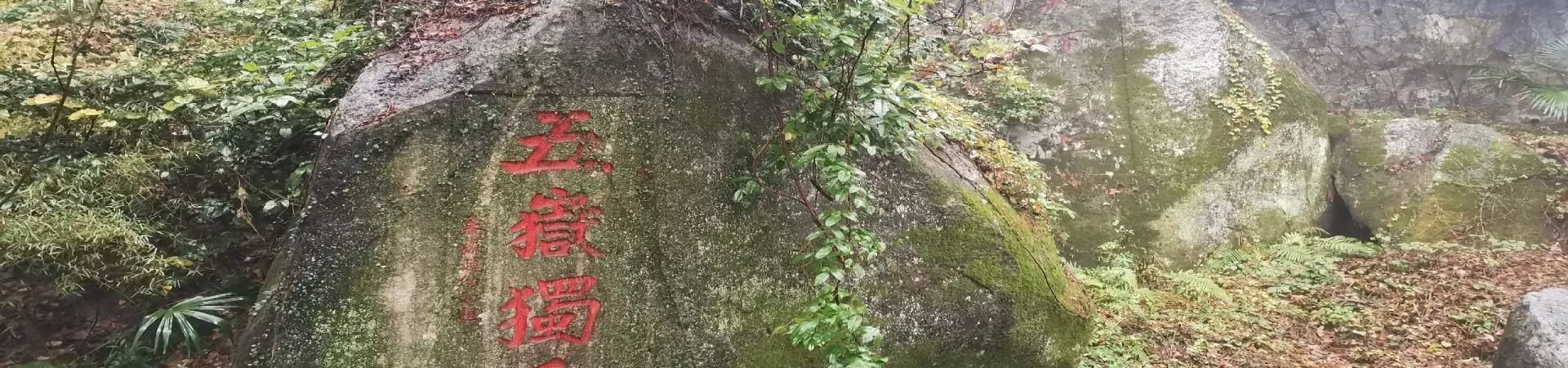
Subtitle: A Living Gallery of Poetry Etched in Stone
Introduction: Where Nature and Literature Converge
Nestled within the embrace of Nanyue Hengshan (the Hengshan Mountain in Southern China), a UNESCO World Heritage site renowned for its profound spiritual significance and breathtaking natural beauty, lies a unique cultural gem that transcends the ordinary scenic spot. This is the ChuanYan Shi Lin, or "Poetry Forest of Perforated Rocks." More than just a geological curiosity, it is a vast, open-air museum where the timeless art of Chinese calligraphy and poetry is permanently inscribed upon the very bones of the mountain itself. Here, visitors do not merely walk through a forest of trees, but through a living chronicle of Chinese literary and artistic thought, spanning centuries, all set against a dramatic backdrop of ancient granite cliffs, serene forests, and the ever-present mists that shroud these sacred peaks. It offers a rare and contemplative journey that engages the senses, the intellect, and the soul, inviting one to ponder the dialogues between humanity and nature, and between the poets of the past and the visitors of the present.
The Geological and Historical Tapestry
2.1. A Landscape Sculpted by Time The foundation of the Poetry Forest is its striking geology. "Chuan Yan" literally translates to "perforated rock" or "rock that pierces through," a name derived from the distinctive granite formations shaped by millennia of wind and water erosion. These natural sculptures—featuring crevices, caves, arches, and peculiarly shaped boulders—create a labyrinthine and mystical landscape. The rocks themselves seem to possess a silent, imposing personality, providing a perfect, enduring canvas for human expression. This interplay of natural sculpture and human artistry is the site's defining characteristic.
2.2. The Genesis of a Literary Sanctuary The tradition of inscribing poetry onto the cliffs of Hengshan dates back over a thousand years, flourishing particularly during the Tang and Song dynasties when the mountain was a major destination for scholars, poets, monks, and pilgrims. Inspired by the sublime scenery and spiritual atmosphere, literati would compose verses on the spot. To immortalize these fleeting moments of inspiration, their poems were meticulously carved into the rock faces. What began as sporadic inscriptions evolved, particularly in later centuries, into a more organized effort to collect and display a wide anthology of classical poetry, transforming a section of the mountain into the concentrated "Poetry Forest" we see today. It stands as a testament to the Chinese scholarly tradition of seeking harmony with nature and leaving one's mark, quite literally, for posterity.
The Immersive Visitor Experience
3.1. A Walking Tour Through Literary History Exploring the ChuanYan Shi Lin is an active, engaging process. Visitors follow winding paths and stone steps that meander up the hillside, through groves of trees, and around massive rock formations. The journey is one of discovery: around every corner, on every cliff face, and even on the surfaces of boulders underfoot, one encounters inscriptions. The styles range from bold, large-character titles to entire poems in elegant, regular script. The content is equally diverse, encompassing verses that describe the majestic landscape, express philosophical reflections, convey Buddhist or Daoist sentiments, or simply capture a moment of personal emotion. Key viewing areas might include:
- The Grand Cliff Gallery: A vast, relatively flat rock face serving as a centerpiece, covered in multiple poems from different eras, showcasing a variety of calligraphic styles.
- The Secluded Grotto Inscriptions: Poems found in quieter, cave-like spaces, often evoking a sense of solitude and meditation.
- The Pathway Verses: Inscriptions on stepping stones and rocks along the path, integrating poetry directly into the walker's journey.
3.2. Appreciating the Art of Calligraphy For enthusiasts of Chinese art, the site is a masterclass in calligraphy. The inscriptions are not merely text; they are works of visual art. The carving techniques preserve the fluidity, strength, and personality of the original brushstrokes. Visitors can observe the differences between the structured elegance of Kai script, the more flowing Xing script, and the archaic power of Zhuan script. Each carving represents a fusion of literary content and artistic execution, making the rock faces dynamic pages from a grand, stone-bound book.
3.3. The Symphony of Natural Scenery The cultural experience is inextricably linked to the natural environment. The sound of trickling water from mountain springs, the rustle of leaves in the breeze, the scent of damp earth and pine, and the panoramic views of the Hengshan range from higher vantage points all form an integral part of the visit. The poetry often directly references these very sights and sounds, creating a powerful, immersive feedback loop where the landscape illustrates the poems, and the poems give voice to the landscape.
Practical Information for Your Visit
4.1. Location and Access ChuanYan Shi Lin is located within the main scenic area of Nanyue Hengshan Mountain Scenic Spot, near the town of Nanyue in Hengyang City, Hunan Province. It is typically accessed after entering the main mountain gate. Visitors can reach the area by tourist shuttle bus from the entrance, followed by a walk along designated trails.
4.2. Admission and Operating Hours * Admission: Entry to the ChuanYan Shi Lin is generally included in the overall entrance ticket for the Nanyue Hengshan Scenic Area. The all-inclusive scenic area ticket is approximately RMB 186 during peak seasons (subject to change by management). It is advisable to check for the latest pricing and any potential separate fees before your visit. * Operating Hours: The site itself is an outdoor landscape accessible along the mountain paths. The trails through the Poetry Forest are open for exploration 24 hours a day, every day of the week, throughout the year. However, practical access is governed by the operating hours of the scenic area's shuttle buses and the main park gates. Daytime visits are recommended for safety and optimal viewing of the inscriptions.
4.3. Planning Your Trip * Best Time to Visit: Spring and autumn offer the most comfortable weather and clear views. The misty atmosphere of summer and the stark beauty of winter provide different, equally poetic ambiances, though trails may be slippery. * What to Bring: Wear sturdy, comfortable walking shoes with good grip for the stone steps. Bring water, rain gear (as weather changes quickly on the mountain), and a camera. A small flashlight can be helpful for viewing inscriptions in shaded areas. * Guided Tours: Consider hiring a local guide or using an audio guide. They can provide invaluable context, translate the classical poetry, and explain the historical and artistic significance of specific inscriptions, greatly enriching the experience. * Contact: For the most current information regarding tickets, shuttle schedules, or weather conditions, you can contact the Nanyue Hengshan Scenic Area administration at 0734-5673377.