Banshan Pavilion
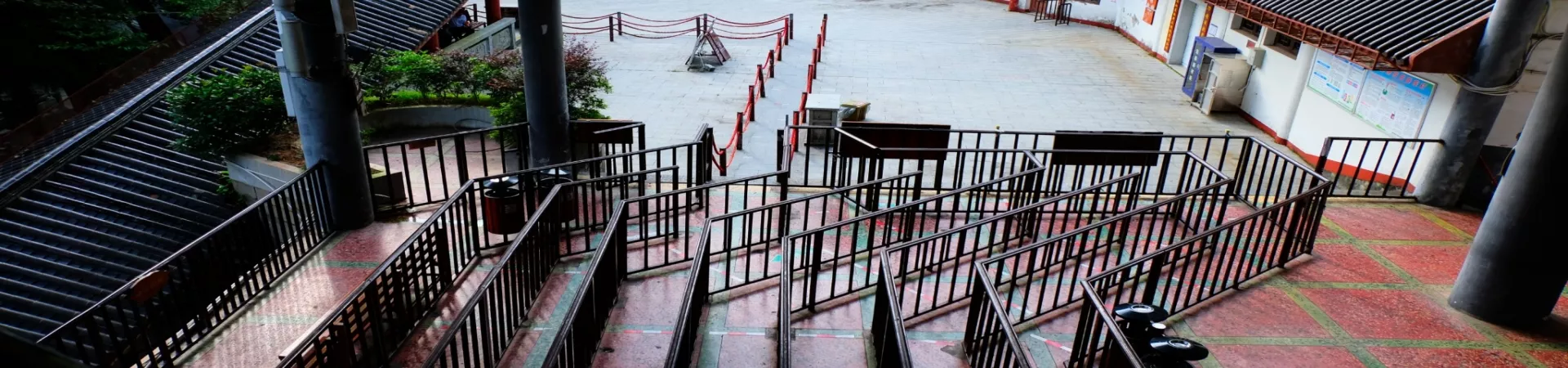
Subtitle: A Gateway to Serenity and Scenic Splendor on Mount Heng
1. Introduction to Banshanting, Hengyang
Nestled on the verdant slopes of Mount Heng (Hengshan), one of China's Five Great Sacred Mountains, the Banshanting area in Hengyang City, Hunan Province, is far more than a simple rest stop. Its name, translating literally to "Halfway Mountain Pavilion," hints at its primary historical function as a respite for pilgrims and travelers ascending the mountain. However, to the modern visitor, Banshanting represents a crucial cultural and scenic gateway. It is a transitional zone where the urban energy of Hengyang yields to the profound spiritual aura and breathtaking natural beauty of Mount Heng, a mountain revered for centuries in Taoism and Buddhism. A visit here sets the tone for the entire mountain experience, offering a blend of accessibility, historical ambiance, and a preview of the majestic landscapes that await above.
2. Practical Information for Visitors
Before embarking on the exploration, having key logistical details ensures a smooth and enjoyable visit.
2.1. Admission and Fees Access to the Banshanting area is included within the overall entrance ticket to the Mount Heng Scenic Area. There is no separate or additional charge specifically for Banshanting. Visitors must purchase the main scenic area ticket, priced at approximately 80 Chinese Yuan (subject to change). This ticket typically grants access to multiple sites and trails across the mountain, making Banshanting an excellent starting point for your journey.
2.2. Operating Hours One of the most convenient aspects of Banshanting is its accessibility. The area is open to visitors 24 hours a day, seven days a week, throughout the entire year. This round-the-clock access provides exceptional flexibility. You can choose to arrive early in the morning to commence a full day of hiking, visit during the afternoon as part of a broader tour, or even experience the unique atmosphere of the mountain paths under the evening sky. However, while the area itself is always accessible, services, transportation links (like cable cars or shuttle buses originating from here), and nearby smaller temples may adhere to specific daytime operating hours.
2.3. Contact Information For general inquiries about Mount Heng Scenic Area, including information that might encompass the Banshanting vicinity, you can contact the scenic area administration. Two primary contact numbers are: - 0734-5671111 - 0734-5673377 It is advisable to use these numbers for confirming ticket prices, checking for any unexpected closures due to weather or maintenance, and inquiring about transportation schedules from the base to Banshanting or further up the mountain.
3. The Role and Significance of Banshanting
Understanding Banshanting's purpose enriches the visit beyond its physical location.
3.1. Historical and Cultural Hub Traditionally, Banshanting served as a vital logistical and social node. For weary pilgrims making the arduous journey on foot to the summit temples, it was a promised point of relief—a place to rest sore feet, drink tea, replenish supplies, and share stories with fellow travelers. This historical role as a communal waypoint has left an intangible legacy of hospitality and transition. While the original pavilions may have evolved, the area continues to function as a central gathering spot, often featuring shops, small eateries, and facilities that cater to modern-day "pilgrims" (tourists and hikers).
3.2. A Major Transportation Interchange In the contemporary context, Banshanting's most critical function is as Mount Heng's primary transportation nexus. It is the terminal station for the tourist shuttle buses that ferry visitors from the mountain's base at Nanyue Town up the winding roads. More significantly, it is the lower station for the Mount Heng Cable Car (also known as the Hengshan Ropeway). This cable car provides a spectacular and efficient ascent to the area near the summit ridge, dramatically reducing hiking time and offering panoramic aerial views of the lush forests and jagged peaks. For many visitors, their first real immersion in the mountain's scale begins at the Banshanting transfer point.
4. Experiencing Banshanting and Its Surroundings
The experience at Banshanting can be tailored from a brief transit to a short exploratory walk.
4.1. The Cable Car Ascent The cable car journey from Banshanting is an attraction in itself. The ride, lasting several minutes, glides over deep valleys and dense canopies. On clear days, the vistas are stunning, providing a geographical orientation to the mountain and revealing the impressive engineering required to access its heights. The arrival point near Zhurong Peak, the mountain's highest point, places you within a manageable walk of several summit attractions.
4.2. Hiking Trails and Initial Exploration For those preferring to travel on foot, Banshanting is the starting point for well-maintained stone-paved paths leading deeper into the mountain's heart. Even a short walk from the transportation hub allows you to escape the busier crowds. You can immediately find yourself surrounded by ancient trees, the sound of flowing water from nearby streams, and the serene atmosphere that defines Mount Heng. Several smaller historical sites, temples, or stele forests might be located within a short walking radius from the main plaza, offering a quiet cultural interlude before or after the cable car ride.
4.3. Amenities and Preparation Point The area typically hosts basic but essential amenities: public restrooms, souvenir shops, snack stalls selling local specialties like Nanyue tofu, and small restaurants. It is the last major point to purchase water, hiking snacks, or simple rain gear before proceeding further. This practical aspect reinforces its traditional role as a preparation and respite zone, now updated for the 21st-century traveler. Taking a moment here to adjust your gear, hydrate, and consult trail maps is highly recommended.
In essence, Banshanting is the dynamic threshold of Mount Heng. It seamlessly blends its ancient identity as a pilgrim's rest with its modern function as a bustling transportation center. It offers every visitor—whether seeking a quick ascent via cable car or the start of a contemplative hike—a first, tangible touch of the mountain's dual promise: profound cultural heritage and awe-inspiring natural grandeur.