Zhangxia Village
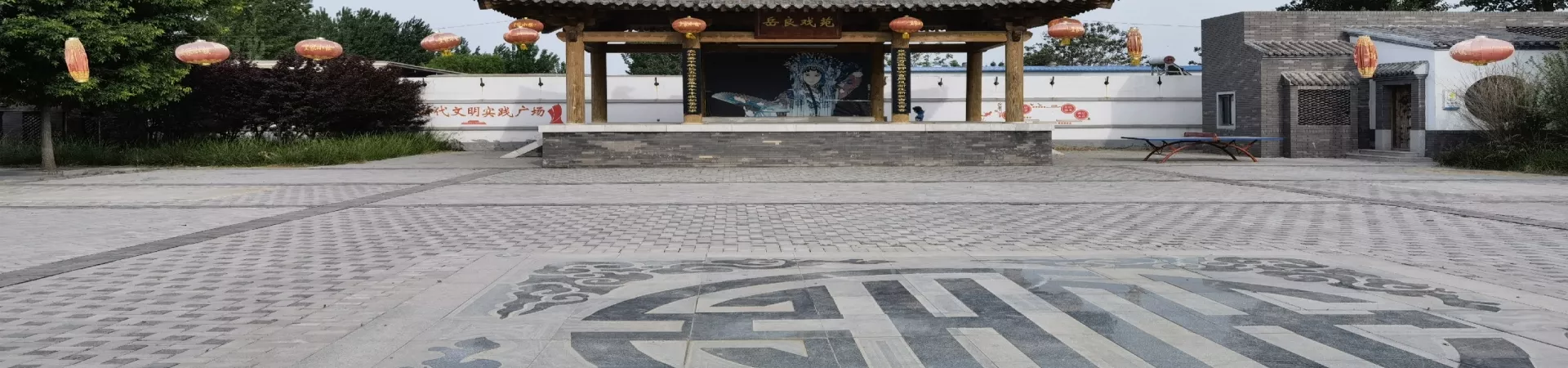
Subtitle: A Journey into Rural Heritage and Tranquility
1. Introduction: The Allure of Zhangxia Village
Nestled within the vast, fertile plains of Hengshui in China’s Hebei Province, Zhangxia Village stands as a testament to the enduring charm of rural life. Far from the bustling urban centers, this quiet settlement offers a window into the agricultural traditions, architectural heritage, and slow-paced rhythms that have defined the region for centuries. While not a typical tourist hotspot, Zhangxia captivates visitors with its authenticity—a place where the land tells stories, and community spirit remains woven into daily life. For travelers seeking to understand China’s heartland beyond its cities, Zhangxia provides an unpretentious yet deeply rewarding experience.
2. Historical and Cultural Context
2.1. Roots in the Hebei Plain
Zhangxia Village is part of Hengshui, a prefecture-level city historically shaped by agriculture and water management. The area lies within the Hai River basin, where life has long revolved around farming cycles. Unlike ancient capitals or fortified towns, villages like Zhangxia evolved organically from farming communities, with histories passed down orally through generations. Its cultural identity is tied to the land—seasonal festivals, folk customs, and a deep respect for nature reflect a way of life that has persisted despite modernization.
2.2. Architectural and Spatial Character
The village layout follows traditional northern Chinese rural patterns: compact lanes, courtyard homes, and communal spaces designed for both practicality and social interaction. While many older structures have been updated, remnants of classic Hebei rural architecture can still be seen—simple brick-and-wood houses with sloping roofs, weathered gateways, and walls adorned with faded agricultural motifs. These elements speak of a functional aesthetic, where every building served a purpose in the agricultural calendar.
3. Experiencing Zhangxia Village
3.1. Rural Landscapes and Daily Life
Visitors are greeted by expansive fields that change with the seasons—golden wheat in summer, lush green sprouts in spring, and harvested earth in autumn. The village itself buzzes with modest activity: elders chatting in shaded corners, farmers tending to small vegetable plots, and children playing in open courtyards. There are no grand monuments here; instead, the appeal lies in observing everyday rituals—the preparation of local foods, the maintenance of farm tools, or the leisurely pace of an afternoon stroll along tree-lined paths.
3.2. Local Products and Culinary Traditions
The fertile soil of the Hengshui area yields staples like wheat, corn, and various vegetables. Local cuisine emphasizes freshness and simplicity, often featuring hand-pulled noodles, steamed buns, and hearty vegetable dishes. While not a culinary destination per se, the village offers a chance to taste home-style cooking that has sustained generations. Seasonal fruits, such as pears or dates, might be available directly from growers, providing a genuine farm-to-table experience.
3.3. Community and Festivities
Though small, Zhangxia retains a strong sense of community. Traditional festivals—particularly the Lunar New Year and the Mid-Autumn Festival—are celebrated with family gatherings, simple decorations, and shared meals. These occasions may include folk performances or storytelling sessions that highlight local legends and agricultural lore. For visitors, participating in or witnessing these events offers insight into the social fabric that holds rural life together.
4. Practical Considerations for Visitors
4.1. Accessibility and Transportation
Zhangxia Village is best accessed from Hengshui city, which is connected by rail and road to major hubs like Shijiazhuang and Beijing. From Hengshui, local buses or taxis can reach the village, though private transportation offers more flexibility. The roads are generally well-maintained, but travel times can vary depending on weather and season. It is advisable to plan day trips from Hengshui, as overnight accommodations within the village are limited.
4.2. Accommodations and Amenities
Lodging options in Zhangxia itself are sparse; most visitors stay in Hengshui city, where hotels range from budget to mid-tier. In the village, basic amenities are available, but travelers should not expect extensive tourist facilities. Carrying essentials like water, snacks, and sun protection is recommended, especially when exploring the surrounding countryside.
4.3. Best Times to Visit and Activities
Spring (April to May) and autumn (September to October) are ideal, with mild temperatures and vibrant agricultural scenery. Summer can be hot and humid, while winter is cold and quiet. Activities are largely self-directed: walking through fields, photographing rural life, engaging with residents (if language permits), or simply enjoying the tranquility. Visitors with a deeper interest might arrange informal tours through local contacts to learn about farming techniques or village history.
4.4. Cultural Sensitivity and Travel Tips
Zhangxia is a living community, not a museum. Respect for residents’ privacy and daily routines is essential. While locals are generally welcoming, it is polite to ask permission before entering private courtyards or taking close-up photographs. A few basic Mandarin phrases can enhance interactions, though nonverbal warmth often bridges gaps. Since English is rarely spoken, carrying a translation app or phrasebook is helpful. Lastly, embracing the slow pace is key—this is a destination for reflection, not hurried sightseeing.