Underground glacier
Subtitle: A Journey into the Frozen Heart of a Volcano: Exploring Heihe's Underground Ice River
Introduction: A Geological Marvel in China's Far North
Nestled within the dramatic volcanic landscapes surrounding Heihe City in China's northern Heilongjiang Province lies a natural wonder that seems to defy both time and climate: the Underground Ice River. This is not merely a cave; it is a pristine, subterranean world of perpetual winter, a breathtaking fusion of volcanic history and glacial beauty. Formed over ten thousand years ago, this site is recognized as the longest discovered volcanic lava tube in China, offering visitors a rare and unforgettable adventure into a silent, frozen realm where ancient geological forces have created a masterpiece of ice and stone.
1. The Formation and Significance of the Lava Tube
1.1. A Relic of Volcanic Fire The very foundation of the Underground Ice River is a testament to the region's fiery past. It is, at its core, an extensive volcanic地下熔岩隧道 (dìxià róngyán suìdào - underground lava tunnel). These tunnels form when the outer surface of a flowing river of molten lava from an eruption cools and solidifies, creating a crust, while the still-molten interior continues to flow, eventually draining away and leaving behind a hollow, tube-like cave. This particular tunnel is a monumental example of such a process, its length and preservation offering invaluable insight into the area's volcanic activity millennia ago.
1.2. The Birth of an Ice River The transformation from a tunnel of fire to one of ice began as the volcanic activity ceased. Over centuries, water seeped through the porous rock, entering the cavern. Given Heihe's high-latitude location and its fiercely cold winters, the temperature within the deep, insulated tunnel stabilized at a constant below-freezing level. This allowed the seepage to freeze and accumulate, season after season, millennium after millennium, gradually giving birth to the "ice river" that now coats the tunnel floor. This 500-meter-long frozen stream is not a flowing river in the traditional sense, but a solid, enduring river of ice, a permanent glacial feature preserved underground.
2. Navigating the Frozen Interior: A Sensory Experience
2.1. The Descent into a Perpetual Winter Upon entering the cave, visitors are immediately enveloped by a profound, crisp cold. The air temperature remains a constant -5°C (23°F) throughout the year, providing a shocking and refreshing contrast to the outside world, regardless of the season. This consistent deep freeze is the artist responsible for the cave's stunning interior decor.
2.2. A Landscape of Frost and Stone The path through the tunnel is蜿蜒曲折 (wānyán qūzhé - winding and twisting), adding an element of mystery and discovery to the exploration. The true spectacle, however, lies in the intricate details crafted by nature:
- The Icy Pathway: The洞底结满冰 (dòngdǐ jié mǎn bīng - cave floor is fully covered in ice). This is the namesake "ice river," a solid, glossy sheet of ice that requires careful footing. Its surface, sometimes smooth as glass, sometimes textured with frozen ripples, reflects the faint light, creating an ethereal glow.
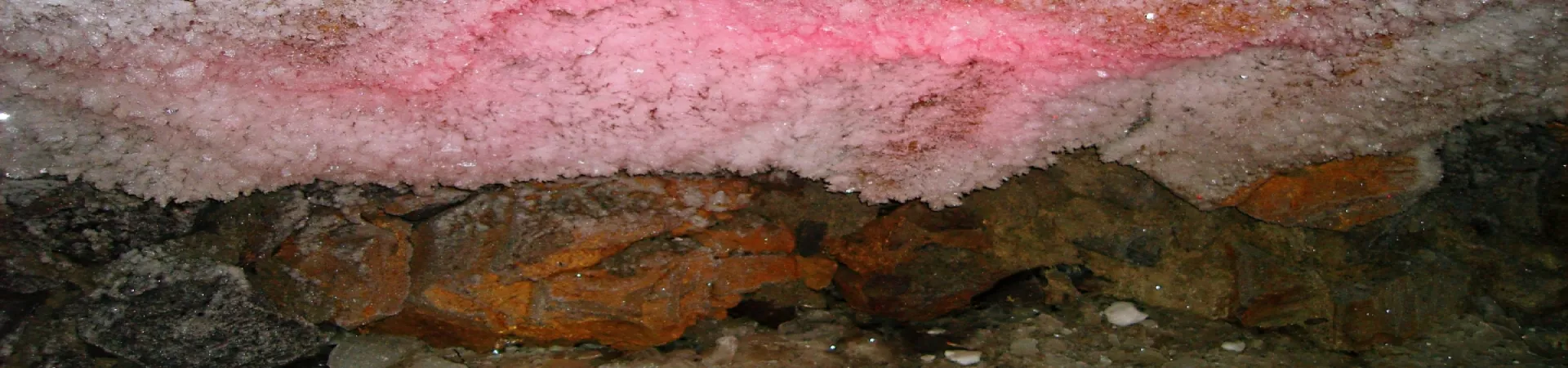
- The Frosted Architecture: Above, the洞壁和头顶都挂满霜花 (dòngbì hé tóudǐng dōu guà mǎn shuānghuā - cave walls and ceiling are adorned with frost crystals). Every surface sparkles with a thick, furry layer of hoarfrost and delicate ice flowers, resembling elaborate lacework or the intricate feathers of a mythical ice bird.
- The Stone Sentinels: Amidst the icy whiteness, the cave's original volcanic features stand as dramatic silhouettes. Stalactites, stalagmites, and stone columns, formed from mineral deposits long before the ice age, are now magnificently draped in ice sheaths. These石柱和石钟乳尤为壮观 (shízhù hé shízhōngrǔ yóuwéi zhuàngguān - stone pillars and stalactites are particularly spectacular), appearing like frozen waterfalls, ornate chandeliers, or the grand pillars of a buried ice palace.
3. Practical Information for Visitors
3.1. Location and Access The Underground Ice River is situated approximately 10 kilometers east of the Shenshui Square Tourist Center in the Heihe area. It is recommended to arrange private transport or a guided tour from Heihe city, as public transit options to this specific site may be limited. The remote location enhances the feeling of venturing into a hidden, untouched world.
3.2. Admission and Operating Hours Entry to the site is subject to an admission fee. The cave operates with seasonal hours, typically from 08:00 to 17:00 daily. The last admission is usually at 17:00. It is crucial to note that these hours are primarily in effect during the warmer and more accessible months from May 1st to November 1st. Access outside this period may be severely restricted or impossible due to extreme winter weather conditions in the region. Visitors are strongly advised to verify the current opening status and hours before planning their journey, especially during shoulder seasons.
3.3. Duration and Preparation A comprehensive visit to explore the Underground Ice River typically requires 1 to 3 hours, allowing time for a safe, leisurely walk through the tunnel and to fully appreciate its features. Given the extreme environment, preparation is key:
- Clothing: Wear extremely warm, layered clothing, including a heavy winter coat, insulated pants, hats, and gloves. The sub-zero temperatures are constant.
- Footwear: Sturdy, non-slip boots with excellent traction are absolutely essential for walking safely on the icy floor.
- Physical Considerations: The cold environment and potentially slippery surfaces require a basic level of physical fitness and mobility. The experience is not recommended for those with significant health conditions affected by cold.
4. The Unforgettable Impact: More Than Just a Sight
Visiting the Underground Ice River transcends typical tourism. It is an immersive lesson in geology, where one can literally walk through a tube carved by lava. It is an encounter with a unique microclimate, a pocket of eternal winter preserved in stone. The profound silence, broken only by the echo of footsteps and drips of water, the dazzling visual contrast of pure white frost against dark volcanic rock, and the sheer awe of standing on ice that has existed for thousands of years, combine to create a deeply resonant experience. It stands as a powerful reminder of nature's patient, dual capacity for both cataclysmic creation and delicate, persistent artistry.