World Geopark North Drinking Spring
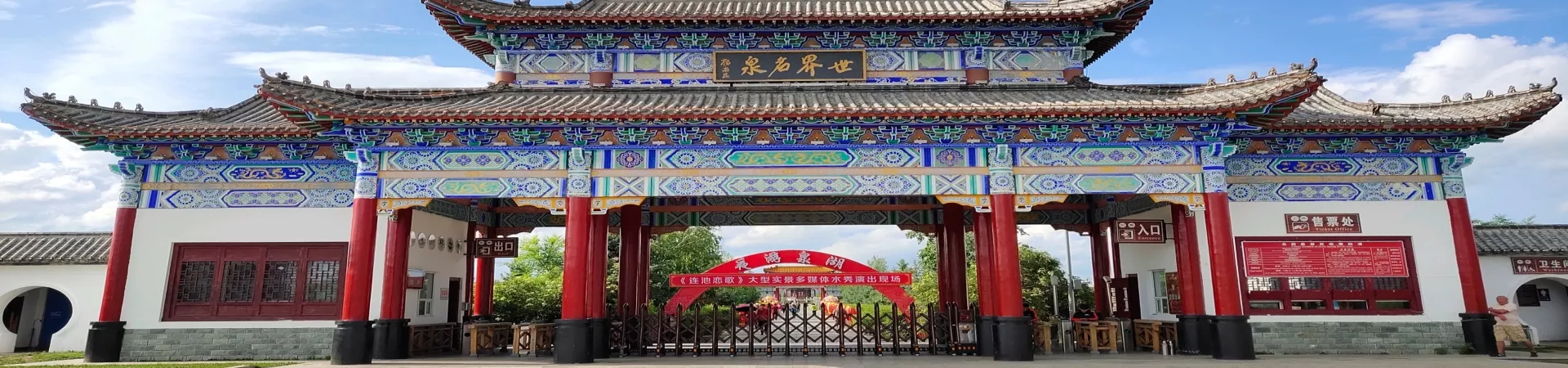
A Visitor's Guide to the North Drinking Spring, Heilongjiang UNESCO Global Geopark
Nestled within the awe-inspiring landscape of the Heilongjiang UNESCO Global Geopark, near the city of Heihe, lies a unique natural and cultural treasure: the North Drinking Spring (Bei Yin Quan). More than just a scenic spot, it is a place where geology, history, and human wellness traditions converge, offering a multifaceted experience for every visitor. This guide provides detailed information to help you plan your visit and fully appreciate this remarkable site.
The Geological and Historical Significance of the Springs
The foundation of the North Drinking Spring's story is written in the ancient volcanic rock beneath your feet. The Heilongjiang Geopark is a testament to dynamic geological forces, primarily volcanic activity that shaped the region over millennia. The springs themselves are a direct result of this activity.
- Origin of the Mineral Waters: The water originates as precipitation that percolates deep into the earth through fissures in the volcanic bedrock. During this long, slow journey, it becomes enriched with a variety of minerals and trace elements dissolved from the rocks. Heated by the Earth's residual geothermal energy, this mineral-rich water then rises back to the surface under pressure, emerging as a natural cold mineral spring.
- A Tradition of "Therapy Drinking": For generations, locals have valued these springs not merely as a water source but as a cornerstone of health and wellness. The practice of "therapy drinking" – consuming the mineral water for its purported therapeutic benefits – is a deeply ingrained cultural tradition. The North Drinking Spring represents one of the most accessible and celebrated sites for this practice, allowing visitors to partake in a ritual that connects them directly to the region's natural history and folk medicine.
Planning Your Visit: Practical Information
To ensure a smooth and enjoyable experience, careful attention to the park's operational details is essential, as they change significantly with the seasons.
Visiting Hours and Seasonal Variations The opening hours of the North Drinking Spring are distinctly seasonal, largely due to Heihe's extreme continental climate, characterized by very cold, long winters and mild, pleasant summers. * Summer & Peak Season (May 20 - October 31): This is the primary visiting period. The park is open from 8:00 AM to 5:30 PM, with last admission at 5:00 PM. The weather is generally agreeable, with lush greenery, making it ideal for exploring. * Late Spring Period (May 1 - May 19): Operating hours mirror the summer schedule: 8:00 AM to 5:30 PM, last admission at 5:00 PM. * Winter Season (November 1 - April 30): During the cold winter months, hours are reduced. The spring is open from 8:30 AM to 4:00 PM, with last entry at 3:00 PM. The winter landscape offers a stark, beautiful contrast, with possible ice formations around the spring, but visitors must be prepared for sub-zero temperatures.
Admission and Facilities While access to the broader geopark may have an entry fee, the North Drinking Spring area often has a separate, nominal ticket for maintenance. It is advisable to check for any combined tickets that include other nearby geological sites. Basic facilities such as restrooms, sheltered pavilions for drinking the water, and informational signboards (in Chinese and sometimes English) are available. During summer, small kiosks may sell cups or bottles for collecting the water.
Experiencing the North Drinking Spring
A visit here is a sensory and participatory activity. Simply observing is only part of the journey.
The Ritual of Tasting the Water Upon reaching the spring's outlet, you will find a constant flow of clear, cold water. Visitors typically collect the water in their own cups or purchase one on-site. * Characteristics: Do not expect the taste of ordinary spring water. The high mineral content gives it a distinct, often slightly metallic or tangy flavor, with a noticeable effervescence. The water is cool and refreshing. * Drinking Etiquette: It is recommended to start with a small amount, perhaps half a cup, to allow your system to adjust. The tradition suggests drinking it slowly, savoring the unique taste. Many locals believe in specific drinking routines for different health benefits, which you can observe or inquire about.
Exploring the Immediate Surroundings The spring is usually set within a well-maintained park area. * Observation Walkways: Paved paths and wooden walkways allow for easy access and protect the delicate environment. They often lead to different vantage points. * Educational Displays: Look for plaques and signs that explain the scientific composition of the water (listing minerals like calcium, magnesium, sodium, and bicarbonates), its geological origin, and the history of its use. * Scenic Vistas: Take time to look beyond the spring itself. The surrounding geopark landscape, with its volcanic rock formations and rich boreal forest (or snowy expanse in winter), provides a magnificent backdrop.
Health Considerations and Respectful Conduct
While the mineral water is natural and consumed by many, it is crucial to approach it with informed caution. * Consult Your Physician: If you have any specific health conditions (especially related to kidneys, heart, or blood pressure), are pregnant, or are on medication, consult a doctor before consuming significant amounts. * Moderation is Key: The water's potent mineral composition means it acts as a supplement. Overconsumption can lead to digestive discomfort for some. Listen to your body. * Environmental Stewardship: This is a protected geological site. Please do not litter, contaminate the spring, or remove any natural materials. Use designated containers for any waste.
Connecting to the Wider Geopark
Your visit to the North Drinking Spring is best understood as a single chapter in the area's grand geological story. The Heilongjiang UNESCO Global Geopark encompasses a vast array of other significant sites: ancient volcanic craters, lava flow landscapes, unique riverine erosion features, and rich biodiversity. When planning your trip, consider allocating time to visit other interpreted sites within the geopark to gain a comprehensive understanding of the powerful natural forces that created the spring you have just experienced. This holistic approach transforms a simple visit into a profound journey through deep time and Earth's living history.