Educated Youth Museum
Subtitle: A Journey Through Memory: The Educated Youth Museum of Heihe
1. Introduction: Preserving the Legacy of the "Zhiqing"
Nestled within the historic town of Aihui in Heihe City, Heilongjiang Province, stands a unique institution dedicated to a pivotal chapter in modern Chinese history: the Educated Youth Museum. As the nation's sole museum focusing extensively on the history of the "Educated Youth" or "Zhiqing" in Heilongjiang, it serves as a profound memorial to the millions of young urban students who, between the 1950s and 1970s, were mobilized to live and work in rural areas during the "Up to the Mountains and Down to the Countryside" movement. The museum's location is deeply symbolic. Aihui itself is a site of immense historical significance, home to the ancient Aihui Fortress, a National Key Cultural Relics Protection Unit and a provincial scenic area. The renowned Aihui History Museum, recognized as one of China's Top Ten Elite Museums and a national patriotic education base, is located nearby, ensuring a steady flow of visitors and creating a synergistic cultural environment. Heihe was one of the primary reception areas for these young pioneers in Heilongjiang, welcoming tens of thousands from major cities like Beijing, Tianjin, Shanghai, Harbin, and Zhejiang. They were dispatched to various posts including production and construction corps, state farms, forestry centers, and rural villages, making the region's experience highly representative of the broader national movement. This museum was conceived to honor this complex history, to commemorate the spirit of the "Great Northern Wilderness" (Beidahuang), and to pay tribute to the generation that dedicated their youth to this land. Its establishment, beginning in 2005, aims to translate this epoch into the language of museum curation, preserving it for both contemporary reflection and future generations.
2. Museum Layout and Narrative Journey
The museum's exhibition is thoughtfully organized into six sequential parts, guiding visitors through the emotional and historical arc of the Zhiqing experience.
2.1. Part One: The Collective Journey to the Great Northern Wilderness This section sets the stage, depicting the massive, organized migration of enthusiastic urban youth to the remote frontier of Heilongjiang. Through photographs, documents, and personal artifacts, it captures the initial wave of idealism, the tearful farewells, and the long, arduous journeys to an unfamiliar and challenging environment.
2.2. Part Two: The Glowing Years of Youth Here, the narrative focuses on the passion, determination, and collective labor of the young settlers. It showcases their struggles and triumphs "battling wind, snow, and severe cold" on the vast Longjiang plains. Exhibits highlight their roles in reclaiming wasteland, establishing farms, and contributing to local construction. This section honors the era's celebrated models, such as Jin Xunhua and Chen Jian, who were upheld for their extraordinary sacrifice and dedication.
2.3. Part Three: The Phoenix Reborn This segment acknowledges the resilience and personal growth that emerged from hardship. It illustrates how, amidst immense physical and psychological challenges, many youths developed remarkable skills, deep camaraderie, and an unbreakable spirit. It also notes individuals who later gained prominence in various fields, such as the Go master Nie Weiping, writer Xiao Fuxing, and renowned author Liang Xiaosheng, whose experiences were fundamentally shaped by this period.
2.4. Part Four: The Bitter Taste of Memory Adopting a more reflective and somber tone, this part confronts the hardships, losses, and personal struggles often glossed over in official narratives. It addresses the harsh realities of frontier life, the longing for home, the psychological toll of displacement, and the dreams deferred or altered forever by historical forces beyond individual control.
2.5. Part Five: The Ebbing of the Tide This section documents the gradual end of the movement in the late 1970s, as policies shifted and most educated youth began their return to the cities. It explores the complex process of reintegration, the mixed emotions of homecoming, and the lasting impact of their rural years on their identities and life trajectories.
2.6. Part Six: The Bond Between Two Lands The final chapter explores the enduring emotional connection between the former Zhiqing and the land of Heilongjiang. It tells stories of revisited roots, ongoing contributions to the region's development, and the lifelong bonds formed with local farmers and comrades. This section underscores how Heilongjiang remained a second homeland, forever woven into the fabric of their lives.
3. Exhibition Methodology and Visitor Information
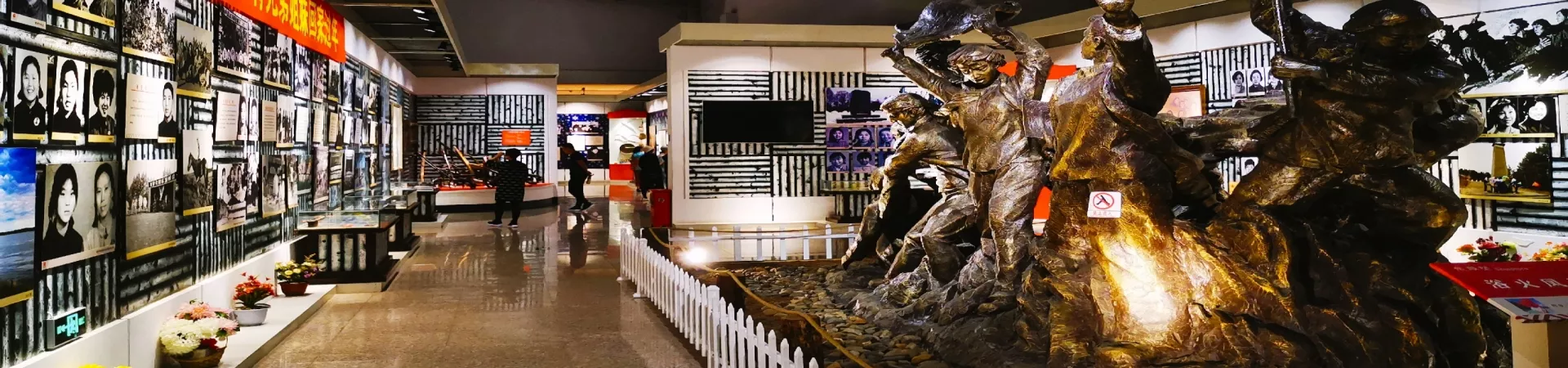
The museum employs a diverse array of display techniques to bring this history to life. Beyond conventional textual panels and historical photographs, the space is enriched with oil paintings depicting key scenes, detailed life-sized dioramas recreating barracks or worksites, expressive sculptures capturing moments of labor and contemplation, and a collection of poignant personal文物 (cultural relics) – from worn work tools and simple daily utensils to diaries, letters, and faded uniforms. These multi-sensory elements work in concert to create an immersive and emotionally resonant experience.
3.1. Practical Information for Visitors * Ticket Price: 30 RMB per person. * Opening Hours: * Tuesday to Sunday: 09:00 - 15:30 (Last admission at 15:00). * Monday: Open all day (09:00 - 15:30; Last admission at 15:00). * These hours apply throughout the year (January 1st to December 31st). * Contact Telephone: 0456-8211126.
A visit to the Educated Youth Museum in Heihe is more than a historical tour; it is an engagement with a living memory. It does not seek to provide simple judgments but rather to present the multifaceted reality of a generation caught in the currents of history – their idealism, their toil, their suffering, and their indelible legacy on the landscape and social fabric of Heilongjiang. It stands as a essential destination for anyone seeking to understand this transformative period in China's 20th-century narrative.